

A Strategy of Choice
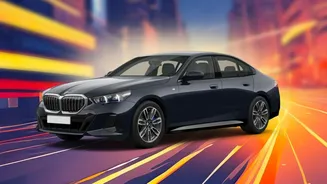
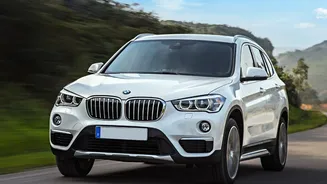
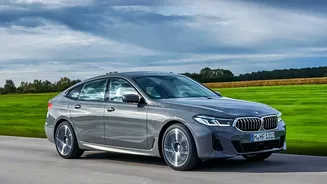
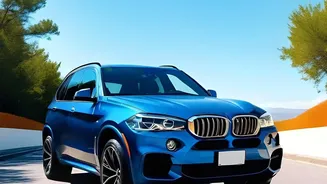
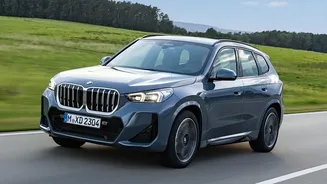
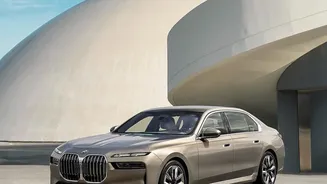
BMW Group India is embarking on one of its most ambitious product offensives, with a significant number of new launches planned for 2026. The strategy, dubbed the "Power of Choice," is a clear declaration that the company will not force Indian consumers
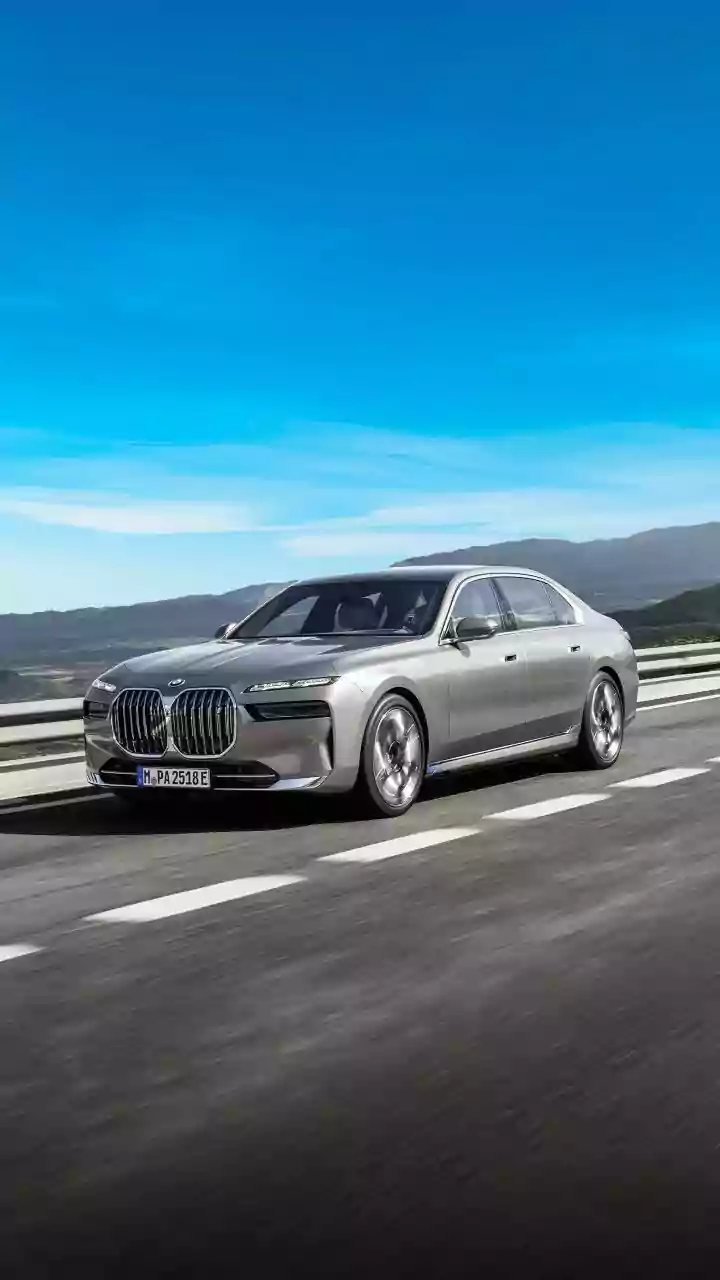
into a single powertrain technology. Instead, it aims to offer a robust portfolio that includes fully electric vehicles (EVs), petrol engines, and diesel options. This approach allows BMW to cater to a wide spectrum of buyers, from early EV adopters in metropolitan hubs to enthusiasts in other regions who still prefer the performance and convenience of traditional engines. The plan includes a mix of all-new models, major updates, and special editions, ensuring fresh options across its lineup.
The Electric Offensive Continues
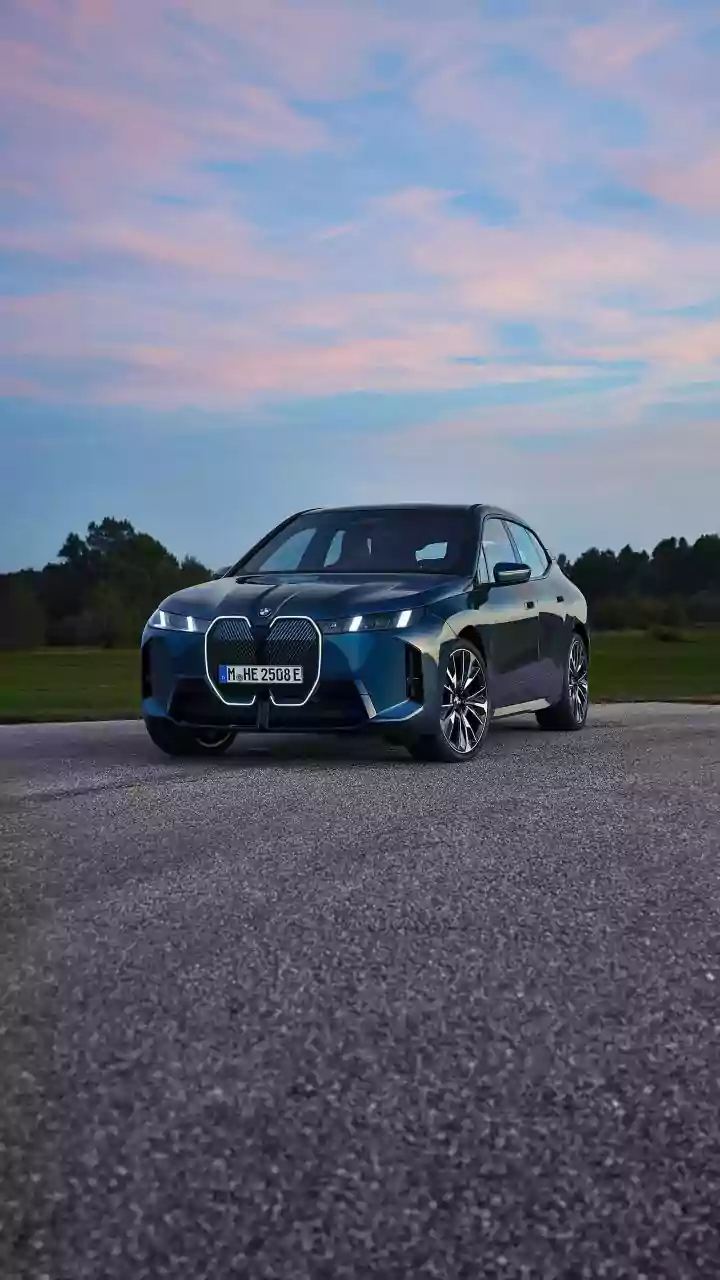
The push towards electrification remains a core pillar of BMW's growth. The company has seen remarkable success in the luxury EV segment, commanding a dominant market share. In the first half of 2026, electric models have been a major growth driver for the brand, with their sales share increasing significantly. Building on this momentum, BMW plans to introduce several new EVs, with the goal of having an electric option in nearly every vehicle segment it operates in. This aligns with a broader trend in the premium market where nearly half of all cars sold above the ₹30 lakh mark are now electrified in some form, be it hybrid or fully electric. This shift is driven by growing consumer awareness, better technology, and a desire for the refinement and silent performance that EVs offer.
Why Combustion Engines Still Matter
Despite the global EV hype, BMW's commitment to ICE models reflects a deep understanding of the Indian context. While EV adoption is growing, it is largely concentrated in major urban centers. For many potential buyers, concerns about the still-developing charging infrastructure, range anxiety on long-distance trips, and the higher initial cost of EVs remain significant barriers. Furthermore, there is a consistent and strong demand for high-performance petrol and diesel engines in the luxury space. The current fuel mix for BMW India shows that petrol and diesel vehicles still constitute the majority of sales. By continuing to offer and update these models, BMW ensures it does not alienate its traditional customer base and can serve demand across the entire country, not just in EV-ready cities.
Navigating a Competitive Market
BMW's dual-pronged strategy is also a response to a fiercely competitive landscape. Rival Mercedes-Benz is pursuing a similar "powertrain agnostic" approach, offering customers a choice of ICE, hybrid, and fully electric models while expanding its EV portfolio. Audi is also lining up a mix of new models for 2026, including the much-anticipated Q6 e-tron EV alongside updated combustion models like the Q3. This shows that luxury manufacturers are converging on a similar conclusion: the Indian market is not ready for an EV-only future just yet. The winning strategy appears to be one of flexibility, giving buyers the power to choose the technology that best fits their lifestyle and needs, a philosophy that is shaping the entire premium segment.