

An Art Form Without Tricks
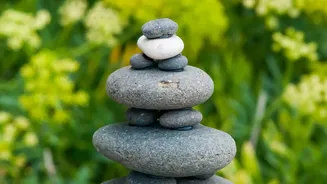
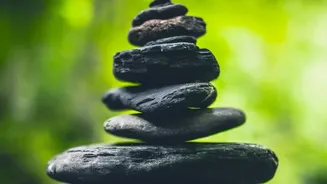
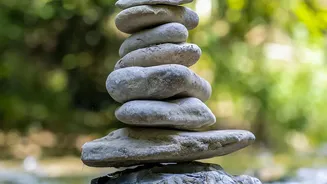
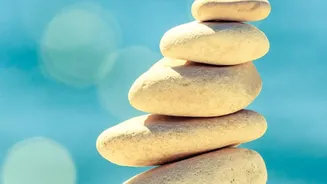
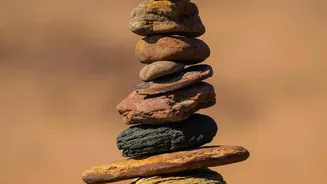
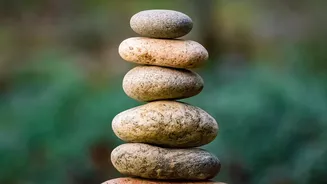
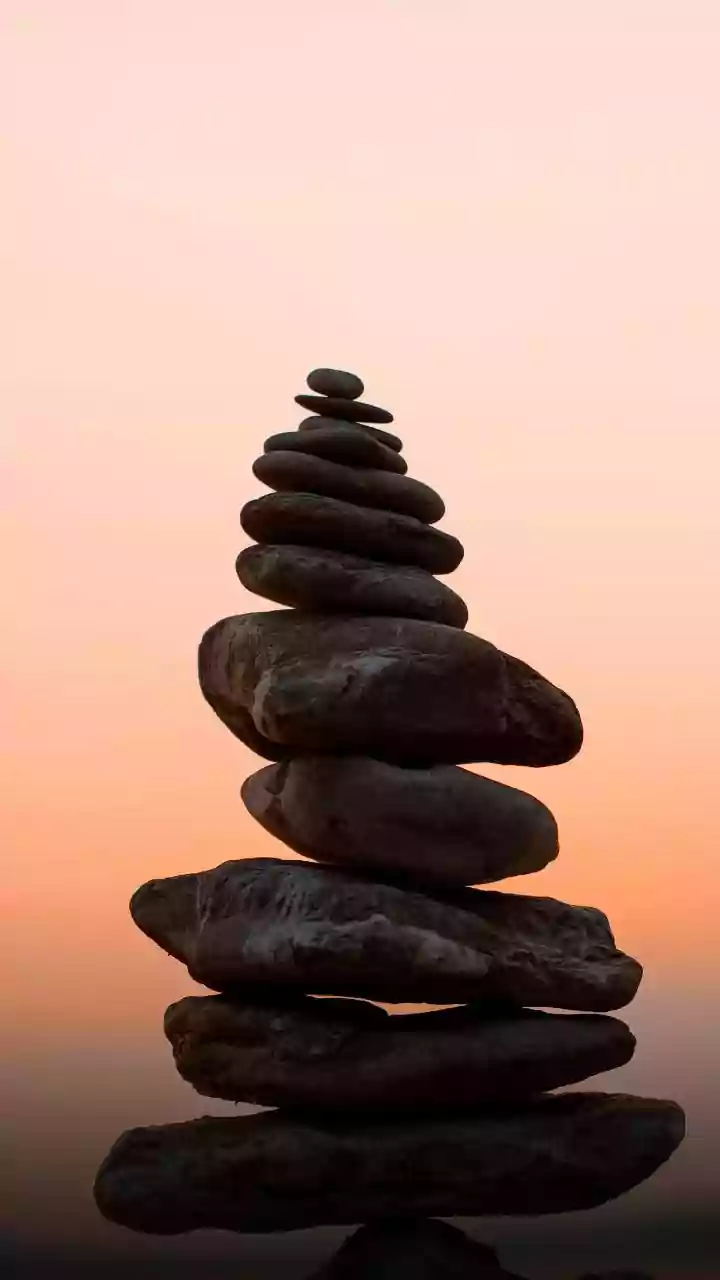
At its core, stone balancing is the art of placing rocks on top of one another in a state of equilibrium without using any adhesives, wires, or supports. It relies solely on gravity and the skill of the balancer. This isn't about simply piling flat rocks;
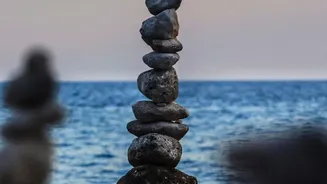
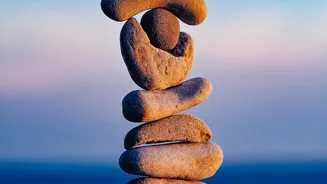
true stone balancing often involves creating improbable, seemingly gravity-defying structures where the points of contact between stones are incredibly small. Practitioners see it as a blend of performance art and meditation, a way to connect with nature and create temporary beauty. The goal isn't to build a permanent monument but to engage in the process of creation itself.
The Physicality of Focus
Achieving a balance requires intense physical and mental coordination. The process starts by finding a stable base and then feeling for the right connection points on the next stone. Balancers describe searching for tiny divots, cracks, or imperfections that can serve as a natural cradle for the rock above. This involves a sensitive touch and precise hand-eye coordination. You must feel the direction the rock wants to fall and gently adjust its position, twisting and turning it until it finds a point of stability. This physical dialogue with the stones requires your full attention, forcing you to remain completely in the present moment.
Training a Distracted Mind
In our age of constant notifications and divided attention, stone balancing serves as a powerful antidote. The level of concentration needed is so complete that it naturally quiets the mind's internal chatter. Many practitioners liken it to a deep meditative state. As you focus intently on the subtle shifts in weight and the feel of the stone in your hands, the anxieties and pressures of daily life fade away. This active form of mindfulness helps improve mental clarity and the ability to concentrate on other tasks in life. Some who struggle with attention deficit disorders have found the practice to be a godsend, helping them slow down their thoughts and improve their focus.
An Eloquent Lesson in Patience
Perhaps the most profound benefit of stone balancing is what it teaches about patience and acceptance. Failure is an integral part of the process; stones fall, often, and sculptures you spend minutes or even hours on can collapse in an instant. Instead of being a source of frustration, this is seen as a lesson in letting go. The practice encourages resilience and perseverance, as you must calmly begin again. There is no shortcut. You cannot rush the process. This teaches you to detach from the outcome and find joy and satisfaction in the effort itself. The temporary nature of the creations, like the sand mandalas of Tibetan monks, reinforces that the value is in the act of creating, not in possessing the final product.
How to Begin Your Practice
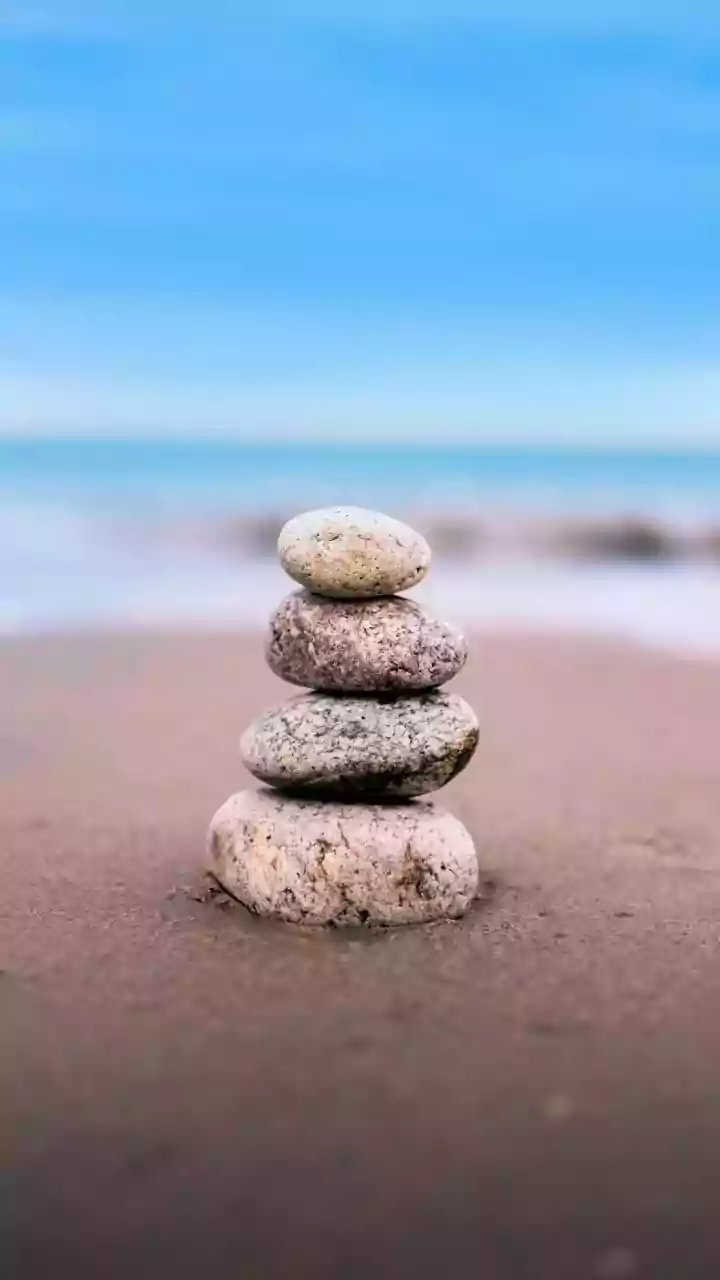
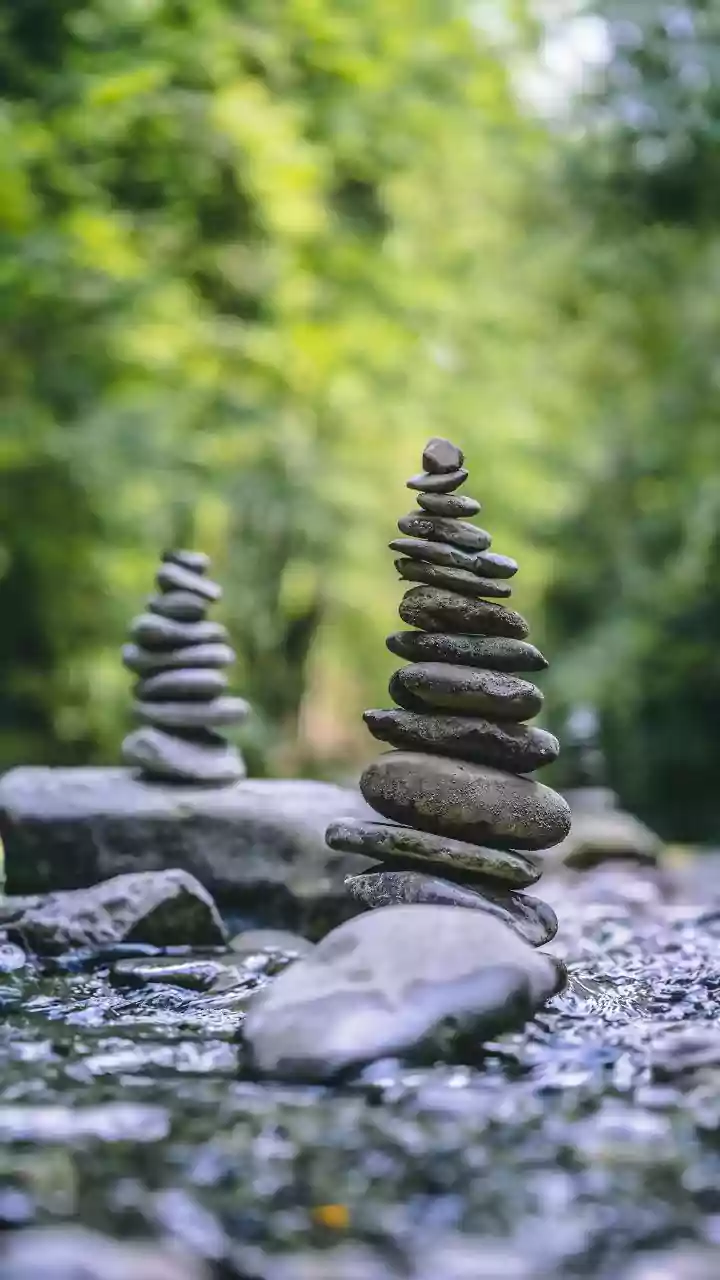
Getting started is simple. All you need are stones and a willingness to be patient. Find a quiet spot in nature, like a riverbank, beach, or park. Beginners are often advised to start small, perhaps by balancing just one rock vertically on a larger base. Take time to get comfortable and relax your mind before you even touch a stone. Look for rocks with interesting shapes and textures. Feel their weight. Try to find natural contact points, feeling for the tiny clicks as the surfaces lock into place. The key is to be playful, experimental, and to remember that the goal is not a perfect stack, but a quiet, focused mind.