

The Pilates Method: Control and Precision
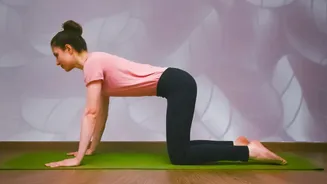
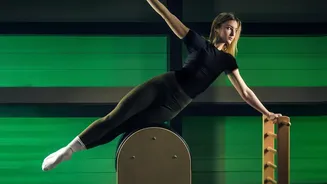
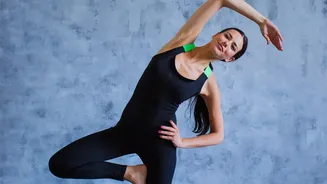
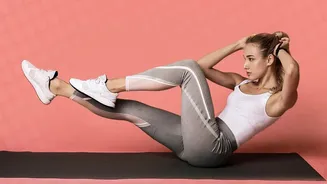
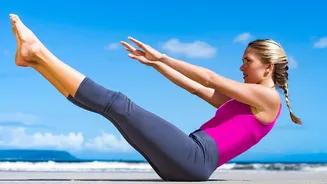
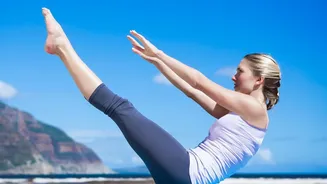
Pilates is a low-impact form of exercise built on the principles of concentration, control, and centering. It involves slow, deliberate movements designed to strengthen the deep, stabilizing muscles of your core—often called the “powerhouse,” which includes
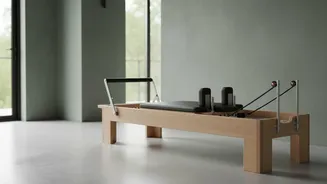
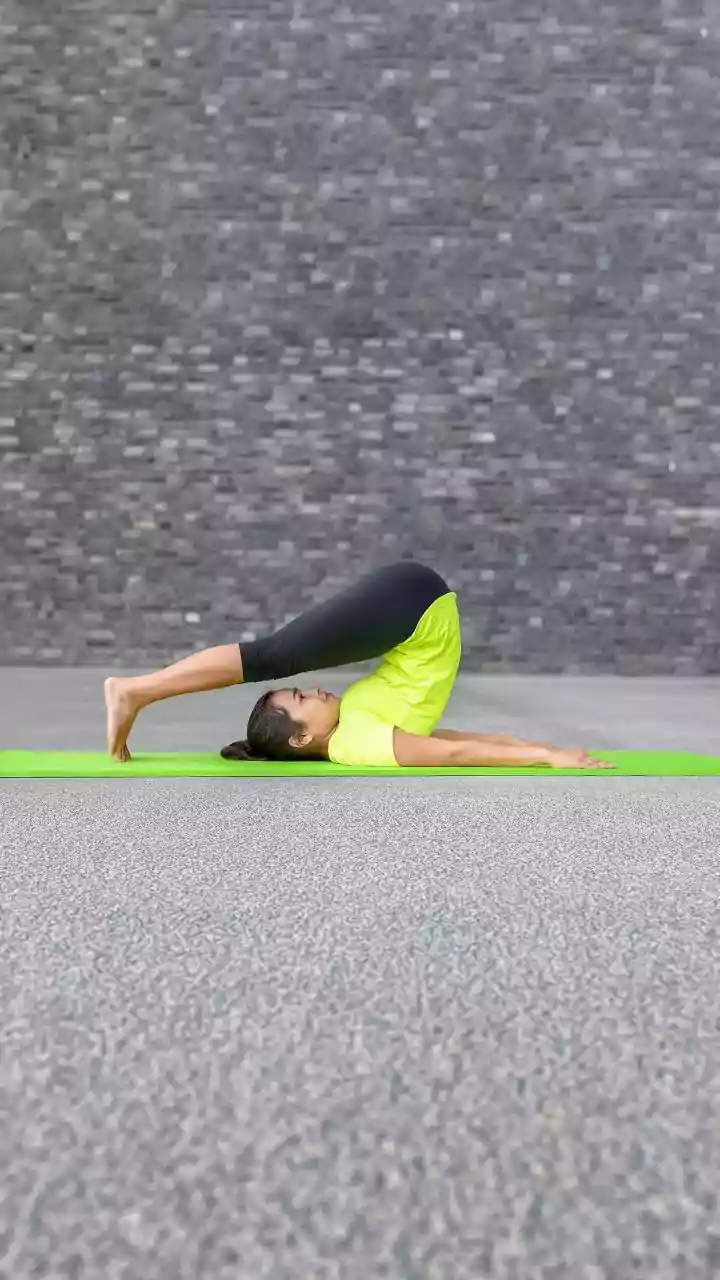
your abs, lower back, hips, and glutes. Instead of fast reps, Pilates emphasizes quality of movement and proper alignment. A typical session might use a mat for bodyweight exercises or a reformer machine for added resistance, but the goal remains the same: to build functional strength, improve posture, and create a strong mind-body connection. This method trains the front, back, and sides of your core equally, helping to prevent muscular imbalances.
Circuit Training: Intensity and Efficiency
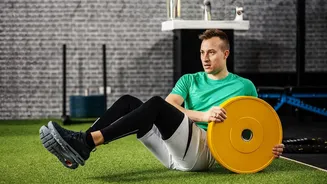
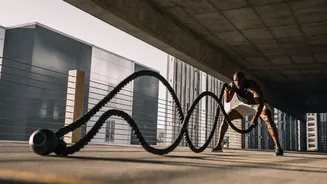
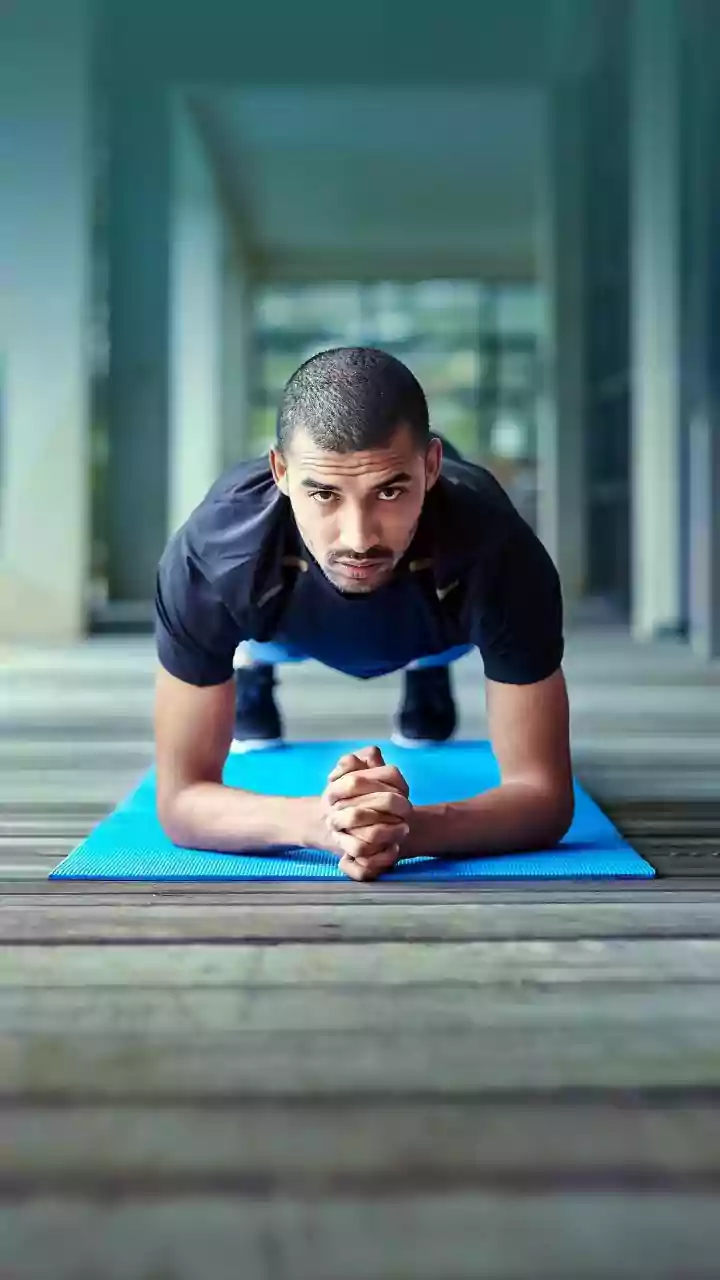
Circuit training is a fast-paced workout style that involves performing a series of different exercises in quick succession with minimal rest in between. A circuit typically includes 5 to 10 exercises that target multiple muscle groups, blending strength training with cardiovascular work. This dynamic approach keeps your heart rate elevated, making it an efficient way to improve overall fitness, build endurance, and burn calories. Core work in circuit training is often integrated into full-body movements like planks, burpees, or medicine ball slams, which challenge your midsection in a more explosive, power-based way.
For Deep Core Strength and Stability
If your primary goal is to target the deep, intrinsic muscles that support your spine and improve posture, Pilates has the edge. It excels at strengthening the transverse abdominis and multifidus, muscles often overlooked in traditional workouts. This focus on the inner core is why Pilates is highly recommended for alleviating lower back pain and improving postural alignment. Circuit training does build core strength, but often as part of larger, compound movements. While effective, it may not isolate and activate those deep stabilizing muscles with the same level of precision as Pilates.
For Flexibility and Posture Correction
Pilates is the clear winner for anyone looking to improve flexibility, mobility, and posture. The exercises are designed to lengthen the spine and increase the range of motion in your joints through controlled stretching and movement. This focus on alignment helps correct postural issues, such as slouching, which can reduce back pain and headaches. While some flexibility can be gained from circuit training through dynamic movements, it is not its primary focus. The emphasis in circuits is on intensity and muscular endurance rather than elongating muscles and refining posture.
For Weight Loss and Calorie Burn
When it comes to burning calories and promoting weight loss, circuit training's high-intensity nature gives it a distinct advantage. By keeping your heart rate elevated and engaging multiple large muscle groups, circuits create a significant metabolic demand, leading to a higher calorie burn both during and after the workout. A 30-minute session can burn a substantial number of calories. While Pilates does burn calories and builds lean muscle, it is generally a lower-intensity workout and less effective for significant weight loss on its own compared to the cardiovascular demands of circuit training.
For Injury Prevention and Rehabilitation
Pilates is widely recognized as a safe and effective tool for both injury prevention and rehabilitation. Its low-impact, controlled nature places minimal stress on the joints, making it ideal for individuals with chronic pain, those recovering from injury, or beginners. Many physiotherapists use clinical Pilates to help patients build a strong foundation of movement control. Circuit training, with its fast pace and dynamic exercises, carries a higher potential for injury if performed with improper form. However, a well-structured circuit can also prevent injuries by building overall strength and resilience.