


More Than Just Bad Breath
That familiar 'doggy breath' might seem normal, but persistent bad breath is often the first sign of dental problems. Poor oral hygiene in pets can lead to plaque and tartar buildup, which causes inflammation of the gums, known as gingivitis. If left
untreated, this can progress to periodontal disease, a serious condition that can cause pain, tooth loss, and discomfort. More alarmingly, bacteria from an infected mouth can enter the bloodstream and potentially damage vital organs like the heart, kidneys, and liver. This connection between oral health and overall wellness is why proactive dental care is so important for your pet's quality of life and longevity.
Spotting the Warning Signs
Pets are masters at hiding pain, so it's up to owners to be vigilant. Beyond chronic bad breath, other signs of dental distress include red, swollen, or bleeding gums; yellow or brown tartar on the teeth; and changes in eating habits. You might notice your pet chewing on only one side of their mouth, dropping food, or suddenly preferring soft food over kibble. Excessive drooling, pawing at the mouth, or a reluctance to play with chew toys can also be indicators of oral discomfort. If you see any of these signs, it’s time to schedule a visit with your veterinarian.
Home Care: Your First Line of Defence
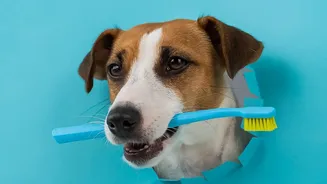
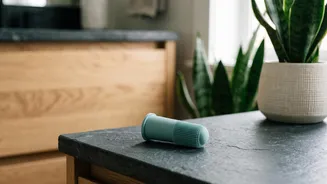
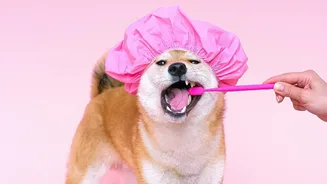
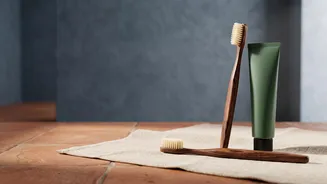
The single most effective thing you can do at home is to brush your pet's teeth regularly. Daily brushing is ideal, but even a few times a week makes a significant difference. It's crucial to use toothpaste specifically formulated for pets, as human toothpaste contains ingredients like xylitol that are toxic to them. Start slowly to get your pet comfortable. Let them taste the pet-friendly toothpaste first, then gently rub their teeth and gums with your finger before introducing a soft-bristled pet toothbrush. Focus on the outside surfaces, where most plaque accumulates, and always make it a positive experience with plenty of praise and rewards.
Tools, Treats, and Helpful Additions
Brushing is the gold standard, but other products can support your efforts. Vet-approved dental chews and toys can help scrape away plaque through mechanical abrasion. In India, natural, dehydrated options like chicken feet or goat ears are gaining popularity as they provide this abrasive action without processed ingredients. Look for products approved by the Veterinary Oral Health Council (VOHC) where available, as this indicates they have met standards for plaque and tartar reduction. There are also special dental diets and water additives that can help reduce plaque. However, always consult your vet before introducing new products to ensure they are safe and appropriate for your pet.
The Non-Negotiable Role of Professional Care
Home care is essential, but it cannot replace professional veterinary dental cleanings. Vets stress that this is a partnership. A professional cleaning is the only way to remove hardened tartar, especially below the gumline where the most significant damage from periodontal disease occurs. These procedures are done under anaesthesia, which allows the veterinarian to perform a thorough oral examination, take X-rays to check the health of the tooth roots, and clean every surface of every tooth safely and without causing stress or pain to your pet. Regular annual check-ups allow your vet to spot issues early and determine how often your pet needs a professional cleaning.