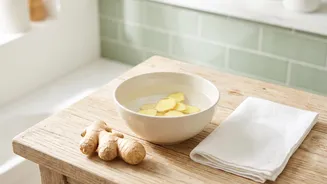






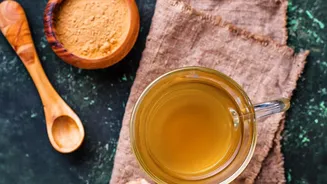


What is a Ginger Compress?
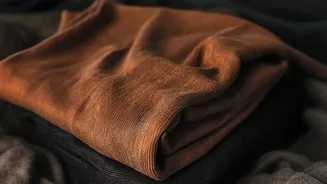
A ginger compress is a form of topical heat therapy used in various traditional medicine practices. It involves soaking a towel in hot water infused with fresh ginger and applying it to the skin. The goal is to combine the therapeutic warmth of the compress with the properties
of ginger. Proponents believe that when placed on the skin, the compress stimulates blood flow, which may help relieve tension and pain. This method is often used for muscle soreness, joint stiffness, and other discomforts where heat is beneficial.
Purported Benefits and Traditional Uses
Ginger itself is well-known for its anti-inflammatory properties when consumed. The external application aims to deliver these effects locally. Traditional uses for ginger compresses are wide-ranging, often targeting chronic and acute pain such as arthritis, backaches, and stiff muscles. The warming action is thought to improve circulation to a specific area, potentially speeding up tissue regeneration and flushing out metabolic waste products that contribute to pain. While extensive clinical evidence for topical use is still developing, studies have explored its potential for relieving osteoarthritis symptoms, with some participants reporting reduced pain and improved mobility.
How to Prepare a Safe Compress
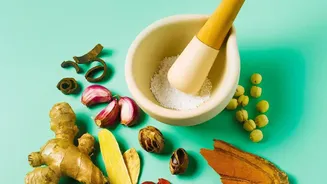
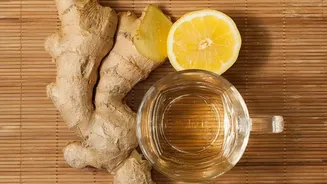
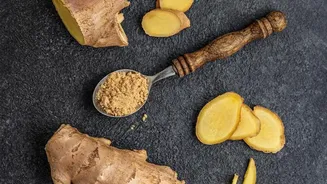
Making a ginger compress is simple, but precision is important. You will need a large knob of fresh ginger, about two litres of water, a pot, a grater, and a few cotton towels. Start by grating the fresh ginger—using fresh root is crucial, not powdered ginger. You can place the grated ginger into a cheesecloth or a small cotton bag. Bring the water to a boil in a pot, then reduce it to a simmer. Place the ginger bag into the simmering water and let it steep for at least five to ten minutes, until the water smells strongly of ginger. The temperature should be hot, but not boiling.
Why Short Sessions Are Crucial
The most critical safety rule is to keep sessions short. While it may be tempting to leave the warm compress on for a long time, prolonged exposure to both heat and ginger can cause skin problems. Ginger acts as a mild skin irritant to increase blood flow, which is part of its therapeutic effect, but too much can lead to burns or a rash. Most sources recommend a total application time of 15-20 minutes. This often involves applying the towel until it cools (around 3-5 minutes), then re-soaking and reapplying it a few times within that 20-minute window. Some suggest an even shorter duration of 10-15 minutes, especially for those with sensitive skin.
How to Apply and Monitor Your Skin
Before placing the compress on the target area, always test the temperature. After wringing out the towel (use gloves or tongs to protect your hands), briefly touch it to your forearm to ensure it is comfortably hot but not scalding. Slight reddening of the skin is normal and expected, similar to the effect of a hot bath. However, you must monitor the area closely for adverse reactions. If you experience an intense burning sensation, excessive redness, or any blistering, remove the compress immediately. These are signs of irritation or a potential burn. Never apply a ginger compress to broken skin, rashes, or areas affected by conditions like neurodermatitis.
When to Avoid a Ginger Compress
Ginger compresses are not suitable for everyone or every condition. They should be avoided if you have a high fever. It is also recommended to avoid them during pregnancy, particularly over the abdomen or lower back, unless cleared by a healthcare provider. People with bleeding disorders or those taking blood-thinning medications should exercise caution, as ginger may increase the risk of bleeding. Furthermore, compresses are not advised for inflammatory arthritis conditions where the joints are already hot and swollen, as the added heat can worsen symptoms.