





Creamy Fruit and Nut Lassi
There is perhaps no simpler fasting food than a tall, refreshing glass of lassi. This no-cook option is perfect for staying hydrated and energised throughout the day. To prepare it, simply blend thick, plain curd with a splash of milk or water until smooth.
Add a banana or a few slices of mango for natural sweetness and body. You can skip sugar entirely or use a small amount of honey or jaggery if your tradition allows. For an extra boost of energy and texture, toss in a few soaked almonds, walnuts, or dates before blending. This drink is not only cooling but also packed with probiotics from the curd, making it great for gut health during a fast. It keeps you full, requires zero cooking, and can be prepared in under five minutes.
Quick Fruit Chaat
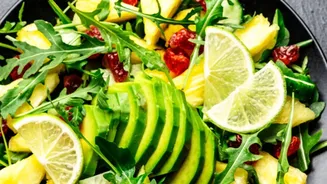
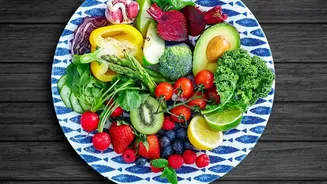
Fruits are a cornerstone of any Sawan fast, providing essential vitamins, fibre, and natural sugars for energy. Instead of just eating them plain, a simple fruit chaat can feel like a more substantial and satisfying snack. The preparation is effortless: chop a mix of seasonal, vrat-friendly fruits like apples, bananas, pomegranates, and papayas. Arrange them in a bowl and sprinkle with a pinch of sendha namak (rock salt) and a dash of black pepper powder. For a bit of zest, a squeeze of fresh lemon juice brightens up all the flavours. This combination of sweet, salty, and tangy is incredibly refreshing. You can also add some roasted peanuts for a satisfying crunch. It’s a completely raw, wholesome, and hydrating dish that takes only as long to make as the chopping itself.
Roasted Makhana (Fox Nuts)
Makhana, or fox nuts, are a fasting favourite for a reason. They are incredibly light, low in calories, yet surprisingly filling. While some makhana dishes can be elaborate, the simplest preparation requires just a few minutes on the stove. Heat a teaspoon of ghee in a pan and add a bowl of makhana. Roast them on a low flame for about 4-5 minutes, stirring occasionally, until they become crisp. Once they're crunchy, turn off the heat and toss them with a sprinkle of sendha namak and black pepper. That’s it. This quick, guilt-free snack is perfect for curbing midday hunger pangs. You can prepare a large batch and store it in an airtight container to last you for a few days, making it an excellent option for busy professionals observing the fast.
A No-Cook Sabudana Mix
Sabudana khichdi is a classic vrat dish, but it requires soaking and careful cooking to get right. A quicker, no-fuss alternative is a no-cook sabudana mix that functions more like a bhel. For this, you still need to soak the sabudana (tapioca pearls) for a few hours or overnight until they are soft and fluffy. Once soaked, drain any excess water. To this, add boiled and cubed potatoes, a generous handful of roasted peanuts, and finely chopped green chillies and fresh coriander. Season it with sendha namak and a good squeeze of lemon juice, then toss everything together gently. This dish offers the same beloved flavours of sabudana khichdi without the need to stand over a hot stove, making it a perfect light meal.
Sweet Potato Chaat
Sweet potatoes are a fantastic source of complex carbohydrates, which provide sustained energy during a fast. While they need to be cooked, the process can be very simple. You can either boil or roast the sweet potatoes until they are tender. Once cooked and cooled slightly, peel and chop them into bite-sized cubes. For a simple chaat, toss the cubes with sendha namak, roasted cumin powder, and a dash of lemon juice. You can also add pomegranate seeds and chopped peanuts for extra texture and flavour. This dish is both sweet and savoury, incredibly nutritious, and requires minimal active cooking time, especially if you boil the sweet potatoes ahead of time.