




The Climate Change Multiplier
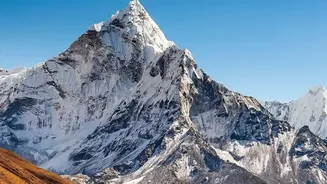
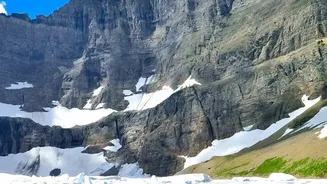
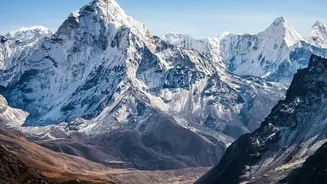
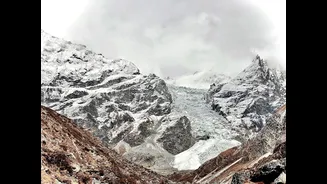
There is no doubt that a warming planet sets a dangerous stage. In the Himalayas, rising temperatures are accelerating the melting of glaciers at an alarming rate. This has two major effects: it thins the ice that holds mountainous terrain together and
increases the volume of water in glacial lakes. Furthermore, climate change is linked to more erratic and intense monsoon rainfall. This combination—weakened slopes and heavier rains—dramatically increases the likelihood of landslides and flash floods, acting as a powerful threat multiplier across the region. Scientists confirm that the fingerprints of climate change are clear in the long-term trends that make disasters more likely.
A Land of Unstable Geology
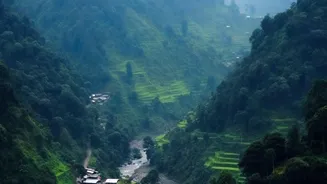
Nepal's geography is a critical piece of the puzzle. The Himalayas are geologically young and active, characterized by steep, unstable slopes. This inherent fragility means the region is naturally prone to landslides. Past seismic activity, such as the major 2015 earthquake, may have also weakened the bedrock in certain areas, pre-loading them for future collapse. When a deluge of rain or meltwater arrives, these already vulnerable slopes can give way, sending torrents of rock, soil, and debris into the river valleys below. It is this combination of weak geology and excess water that creates such destructive and fast-moving debris flows.
The Human Footprint on the Landscape
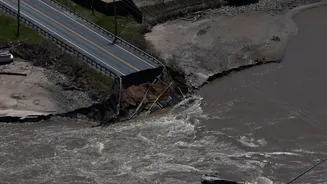
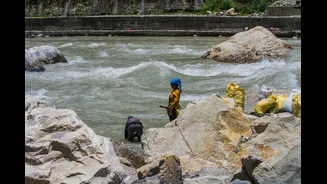
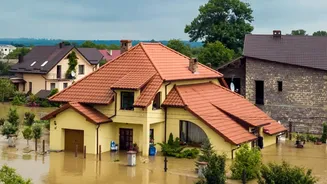
Beyond natural geology, human activity on the ground plays a significant role in escalating flood risk. Unplanned infrastructure development, including the construction of roads and hydropower plants in high-risk zones, can destabilize slopes and alter natural drainage paths. In some cases, hydropower facilities themselves can become 'force multipliers' in a flood, with large structures adding to the destructive power of the water. Deforestation and other changes in land use reduce the soil's ability to absorb water, leading to faster and more voluminous runoff. This is compounded by unregulated urban expansion into floodplains, which places more communities directly in harm's way.
The Looming Threat of Glacial Lakes
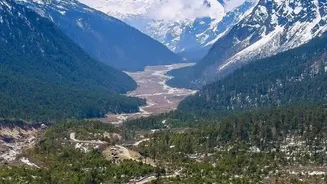
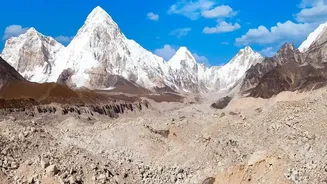
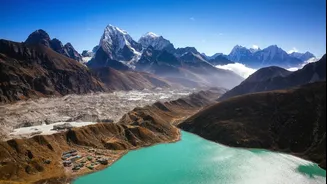
A specific and terrifying hazard in the Himalayas is the Glacial Lake Outburst Flood, or GLOF. As glaciers retreat, they leave behind large lakes, often dammed by unstable walls of loose rock and sediment called moraines. These moraine dams can fail suddenly due to a variety of triggers, including overfilling from rapid melt, a major rainfall event, or a landslide crashing into the lake and creating a displacement wave. The result is a sudden, high-volume release of water that can devastate everything downstream for hundreds of kilometers. With studies identifying at least 21 potentially dangerous glacial lakes in Nepal alone, GLOFs represent a constant and growing threat that exists alongside risks from direct rainfall.
A Compound Crisis
Ultimately, the devastating floods in Nepal are not the result of a single cause but a compound crisis. It's a cascade where global climate change exacerbates a set of local and regional vulnerabilities. Picture it as a perfect storm: climate change provides the excess water and weakens the frozen 'cement' holding slopes together. The region's naturally steep and unstable geology offers a vulnerable landscape. Finally, human factors like poorly planned road construction and deforestation remove the natural buffers and place more people and vital infrastructure in the direct path of danger. Scientists stress that while a glacier collapse or extreme rainfall might be the immediate trigger, the scale of the devastation is a result of all these factors acting in concert.