


Praia da Ursa, Sintra-Cascais Natural Park
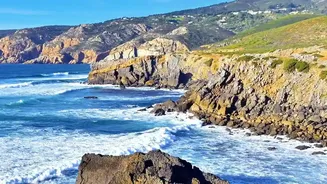
Praia da Ursa, or 'Bear Beach', is not for the casual visitor, which is precisely its charm. Located near Cabo da Roca, mainland Europe's westernmost point, reaching this beach requires a challenging 20-minute hike down a steep, rocky path. The reward
is a breathtaking scene of raw, unspoiled nature, dominated by two colossal sea stacks that give the beach its name. The formidable access filters out the crowds, leaving you with a wild stretch of sand where Atlantic waves crash against monumental rocks. There are no facilities here—no cafes, no sunbeds, just the powerful sound of the ocean and dramatic scenery. It is a place for adventurers with sturdy shoes, who are rewarded with one of Portugal’s most photogenic and secluded coastal landscapes. Planning a visit around low tide is wise, as it reveals more of the sandy shore and tidal pools. It is also known as an unofficial naturist beach.
Praia de Odeceixe, Costa Vicentina
Marking the beautiful border between the Algarve and Alentejo regions, Praia de Odeceixe offers two beach experiences in one. On one side, the full force of the Atlantic creates a wide, sandy bay with reliable waves that attract surfers. On the other, the Ribeira de Seixe river forms a calm, shallow lagoon, perfect for families and those looking to swim in warmer, placid waters. This unique geography is set within the stunning Southwest Alentejo and Vicentine Coast Natural Park. The village of Odeceixe is perched on a nearby hillside, a charming cluster of whitewashed houses with a traditional windmill. While popular, the beach's sheer size and its location away from the main Algarve resorts mean it rarely feels overcrowded. It’s a key stop on the Rota Vicentina hiking trail, with cliff-top paths offering spectacular views south towards Aljezur.
Praia do Malhão, Alentejo
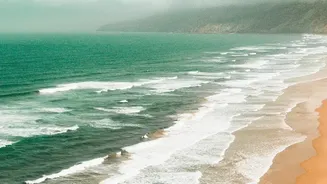
Just north of Vila Nova de Milfontes, Praia do Malhão is the epitome of the wild Alentejo coast. As part of a protected natural park, the area is free from any commercial development—no hotels, no restaurants, just kilometres of pristine golden sand backed by rolling dunes and low cliffs. This vastness means that even on a summer day, a short walk is all it takes to find complete solitude. The beach is actually a series of smaller coves and a long main stretch, with the northern sections being unofficially clothing-optional. Access is via unpaved tracks, which helps maintain its untouched character. It's a favourite spot for surfing and bodyboarding, thanks to its exposure to the Atlantic swell. For walkers, the Fishermen's Trail runs along the cliffs above, providing incredible views over the untamed coastline.
Praia da Foz do Arelho, Silver Coast
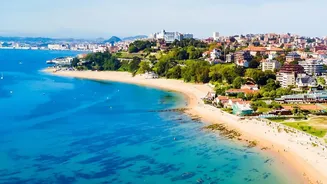
Where the vast Óbidos Lagoon meets the Atlantic Ocean, Praia da Foz do Arelho offers a spectacular and diverse coastal landscape. This unique setting creates a dual environment: on the lagoon side, you find calm, shallow, and warmer waters ideal for families, kayaking, and paddleboarding. On the ocean side, a massive sandbar gives way to a wide, wild beach with powerful waves perfect for surfing. The village of Foz do Arelho sits on a headland overlooking the scene, offering a lively but still authentically Portuguese atmosphere with excellent seafood restaurants. Wooden walkways line the cliffs, providing stunning viewpoints for watching the sunset over the Atlantic. While it is a popular spot for locals, it remains largely off the international tourist trail, providing a more relaxed and spacious beach experience than the crowded shores further south.
Ilha da Barreta (Deserta), Algarve
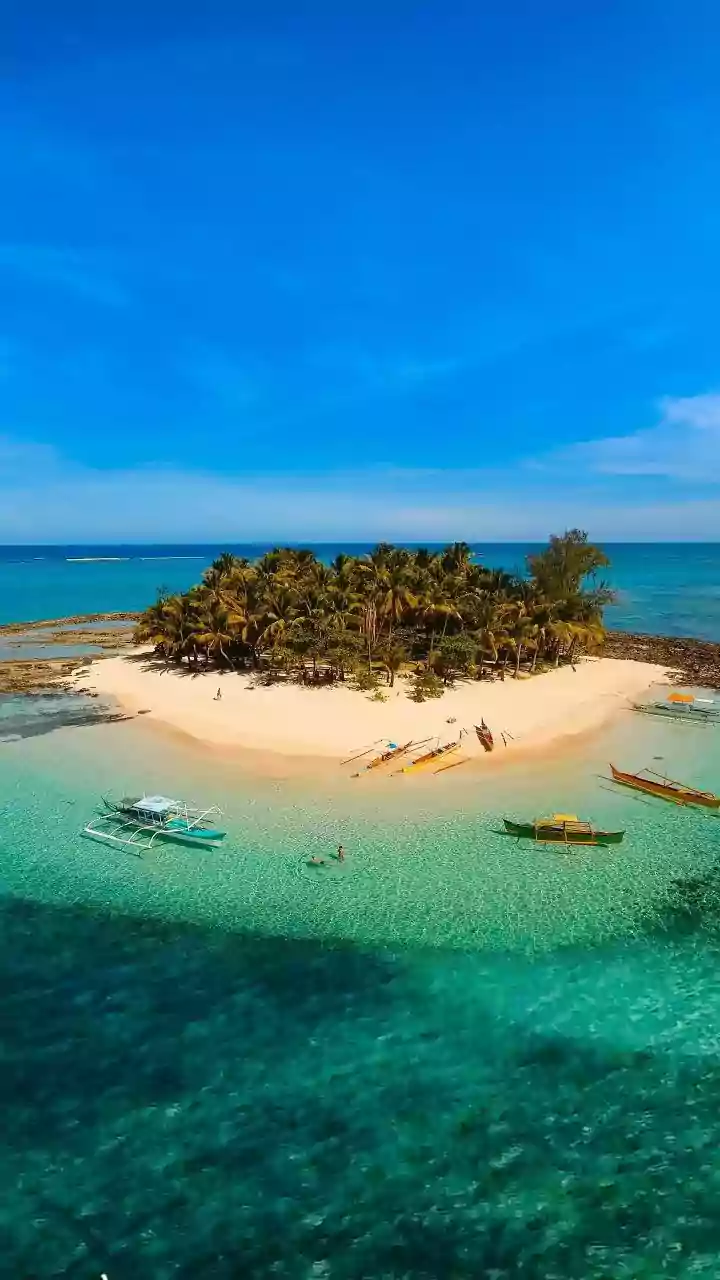
For true seclusion in the often-busy Algarve, Ilha da Barreta is unparalleled. Also known as Ilha Deserta, or 'Desert Island', it is a 7-kilometre-long sandbar island in the Ria Formosa Natural Park, accessible only by ferry or water taxi from Faro. This simple barrier to access is what preserves its tranquility. The island has no permanent residents and almost no infrastructure, save for one renowned sustainable restaurant. Most of the island is pure, white sand and protected marshland, offering endless space to walk and find your own private paradise. The car-free, building-free environment means the only sounds are the waves and the seabirds. The effort required to get there ensures that it remains one of the quietest and most pristine beaches in the entire Algarve, a perfect escape from the region's more developed areas.