




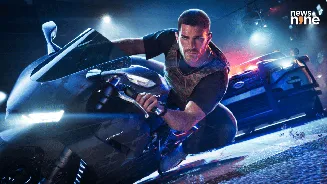
Grand Theft Auto VI is more than a game; it's a cultural event built by thousands of hands. But after a decade of seismic shifts at Rockstar Games, who are the people steering the ship, and what does it mean for the most anticipated title ever?
The Architects of a Digital Empire
For over
two decades, the soul of Grand Theft Auto was forged by a small, core group. At the center were brothers Sam and Dan Houser, who co-founded Rockstar Games in 1998. Sam was the visionary producer, while Dan was the head writer, the man who gave the series its satirical bite and cinematic flair. Alongside them was Leslie Benzies, the president of Rockstar North and lead producer who transformed the series from a top-down curio into the 3D, open-world phenomenon it became with GTA III. This trio was the creative engine, turning virtual cities into cultural touchstones and building an empire on a foundation of ambition, controversy, and unmatched attention to detail.
A Changing of the Guard
The Rockstar of today is not the same one that created GTA V. The original architects are largely gone. Leslie Benzies went on sabbatical in 2014 and his departure was announced in early 2016, leading to a contentious lawsuit over unpaid royalties that was eventually settled confidentially. The most significant shift, however, came in 2020 when Dan Houser, the narrative heart of the series, officially left the company following an extended break. His departure marked the end of an era, raising questions about who would define the tone and story of GTA for a new generation. With Dan Houser and other key writers like Michael Unsworth having since left, GTA VI is the first entry in over 20 years without its principal author at the helm.
The New Leadership Trio
With Sam Houser remaining as the company's founder and executive producer, a new trio of veterans has stepped up to lead development on GTA VI. Rob Nelson and Aaron Garbut are the co-studio heads of Rockstar North, with Phil Hooker also serving as a Head of Development. Garbut's history with the series is deep; he has been the art director since GTA III, shaping the iconic look and feel of its worlds. Nelson, who has a background in animation, and Hooker, who focuses on the technical side, round out a leadership team that brings decades of combined Rockstar experience to the table. This new structure represents a move toward a more collaborative leadership model, a departure from the more centralized vision of the past.
A Cultural Transformation
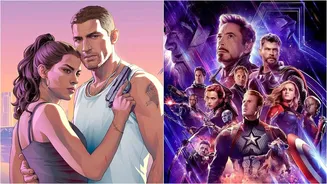
The changes at Rockstar have been more than just personnel. Following reports of a punishing 'crunch' culture during the development of past titles like Red Dead Redemption 2, the company has reportedly made significant strides to transform its work environment. According to reports citing current and former employees, the studio has implemented policies like 'flexitime' to manage overtime, converted contractors to full-time staff, and removed managers described as difficult to work with. One employee described the change as a 'boys' club transformed into a real company'. This cultural shift is also reflected in the game's content, with a move away from 'punching down' at marginalized groups and the introduction of GTA's first female playable protagonist, Lucia.
The Voices of a New Generation
Without Dan Houser, the narrative direction for GTA VI is now guided by a new team. Rupert Humphries, the Senior Vice President of Narrative and a writer on past hits like GTA V and Red Dead Redemption 2, is leading the story. He is supported by a writing team that includes Michael Wiafe, Alexa D'Agostino, and Elizabeth Gauvey-Kern. Their focus appears to be on creating complex, flawed, and fully realized characters in the protagonists Jason and Lucia. The sheer scale of the project, however, goes far beyond this core team. The game's official credits list over 4,600 Rockstar employees across 12 offices, a testament to the massive collective effort required to build a world as detailed as the state of Leonida.