



An Unbreakable Monsoon Ritual
It’s a scene that plays out in homes, office canteens, and roadside stalls across the country. The pitter-patter of rain seems to create a cosy ambiance that is perfectly matched by the sizzle of batter hitting hot oil. This pairing is more than just
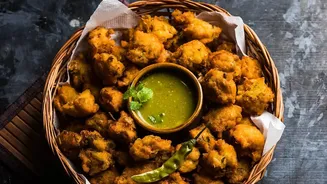
a snack; it's a multi-sensory experience. The aroma of frying besan mixed with spices, the warmth of the tea cup in your hands, and the crunchy texture of a pakora provide a comforting contrast to the cool, damp weather outside. This combination has become so ingrained in the cultural psyche that the craving feels less like a choice and more like a natural response to the season itself, a simple pleasure that makes grey days feel brighter.
The Science of Rainy Day Cravings
There's a scientific reason behind this powerful urge. Rainy weather means less sunlight, which can lead to a dip in serotonin, the brain's mood-regulating hormone. Your body instinctively seeks a quick pick-me-up, and carbohydrate-rich, fried foods trigger a dopamine response, providing a swift sense of pleasure and reward. Cooler temperatures also nudge the body towards energy-dense, warm foods to counter the chill. Hot, fried pakoras and spicy ginger chai fit this need perfectly, providing a feeling of warmth and comfort that is both psychological and physiological.
A Tradition Steeped in History
While the pairing with tea is more modern, the pakora itself has ancient roots. Early versions of the fried snack appear in Sanskrit and Tamil literature dating back over a thousand years, where they were described as fried round cakes of pulses or vegetables. The word 'pakora' is derived from the Sanskrit 'pakvavata', meaning a 'cooked lump'. Originally, frying was a method of preservation, but this practical technique just happened to create an irresistibly delicious snack. Tea became a household habit in India in the 20th century, and the pakora naturally found its place as the perfect companion for the newly beloved tea-time ritual.
A Universe of Crispy Fritters
What makes the pakora so enduring is its incredible versatility. While onion, potato, and spinach are the undisputed classics, almost every region in India has its own unique version. In Maharashtra, 'kekda bhaji' is made with thinly sliced onions that create a spindly, spider-like shape. West Bengal has 'kumro phool bhaja', made from pumpkin flowers, while Jharkhand uses the vibrant red palash flower for its fritters. From the protein-packed soya pakoda of Punjab to the nutritious moringa leaf pakoras in Tamil Nadu, the variations are endless, showcasing local ingredients and tastes.
The Perfect Partner: Adrak Chai
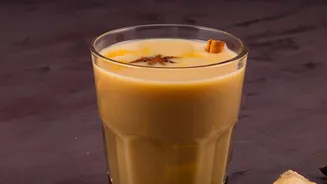
A plate of pakoras feels incomplete without its partner, and ginger tea is the ideal match. The sharp, spicy kick of fresh ginger and the warmth of the brew cut through the oiliness of the fried snack, cleansing the palate and preparing you for the next bite. Making the perfect cup is an art in itself. It involves simmering freshly grated or crushed ginger in water to release its flavour before adding tea leaves and milk. Many households also add other spices like cardamom or black pepper for extra warmth and aroma. This isn't just a beverage; it’s a carefully brewed concoction designed to soothe and invigorate.