









What Triggered the Recall?
The Food Safety and Standards Authority of India (FSSAI) issued the directive after a sample of pre-packed cumin powder was declared 'unsafe' during routine regulatory testing. The sample was initially collected from a resort in Goa. After the initial test flagged
the issue, Everest was given an opportunity to appeal. However, a second test by a Referral Food Laboratory confirmed the initial findings, prompting the immediate recall order.
The Culprit: Pesticide Residues
The recall was not due to a bacterial contaminant like Salmonella, but because of pesticide residues found above permissible levels. Laboratory tests detected two specific substances: Azoxystrobin, a fungicide used to control plant diseases, and Thiamethoxam, an insecticide. While the presence of pesticide residues in agriculture is not uncommon, food safety regulations set strict Maximum Residue Limits (MRLs). In this case, the tested sample contained levels of these two pesticides that exceeded the safe limits prescribed by Indian law, leading to its 'unsafe' classification.
How to Identify the Affected Batch
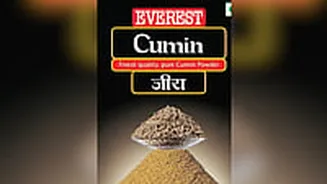
The recall is highly specific and does not apply to all Everest products or even all its cumin powder. The FSSAI has directed the company to withdraw only the implicated batch from the market. Consumers are advised to check their kitchen pantries for Everest Jeera (Cumin) Powder and look for the following identifier printed on the package: Batch No. E080668761. If your packet carries this specific batch number, it is part of the recall. No other batches have been flagged in this specific notice.
What Are the Potential Health Risks?
Health experts advise against panic if you have accidentally consumed the product. The risk depends on several factors, including the concentration of the pesticides, the quantity consumed, and the frequency of exposure. Finding residues above the permitted limit does not automatically mean a person will suffer immediate illness. However, long-term exposure to high levels of pesticides is a health concern. Thiamethoxam, for instance, is classified as moderately toxic. The recall is a precautionary measure to prevent potential health risks associated with consuming products that do not meet regulatory safety standards.
What Consumers Should Do Now
If you find that your packet of Everest Jeera Powder matches the recalled batch number (E080668761), you should not consume it. The safest course of action is to discard the product or return it to the point of purchase, if possible. Experts advise against trying to 'fix' the product by washing, roasting, or cooking it, as these methods are not reliable for removing chemical contaminants like pesticides. The FSSAI has instructed Everest to maintain complete records of the recalled stock and take corrective measures to prevent a recurrence.
A Wider Look at Spice Safety
This incident comes at a time of heightened scrutiny for Indian spice brands in both domestic and international markets. Earlier in 2024, brands including Everest faced action in Hong Kong and Singapore over the presence of ethylene oxide in some spice mixes. This particular recall involves different contaminants but adds to the ongoing conversation about quality control and regulatory oversight in the spice industry. Regulators like the FSSAI conduct routine checks to enforce standards, but these instances highlight the challenges in maintaining safety across the entire supply chain, from farm to finished product.