
An Orbital Junkyard
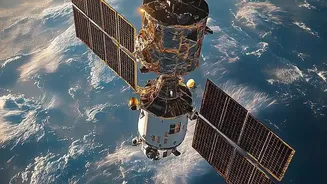
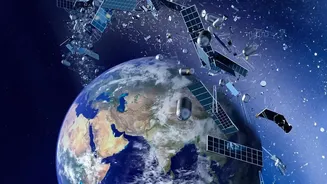
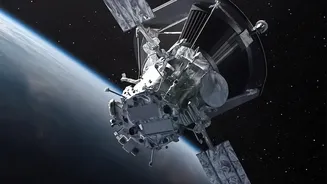
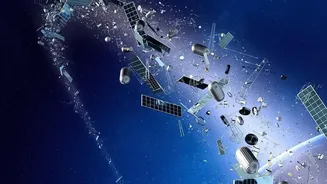
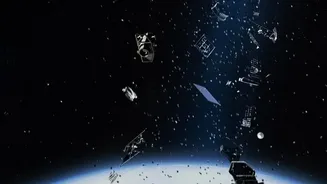
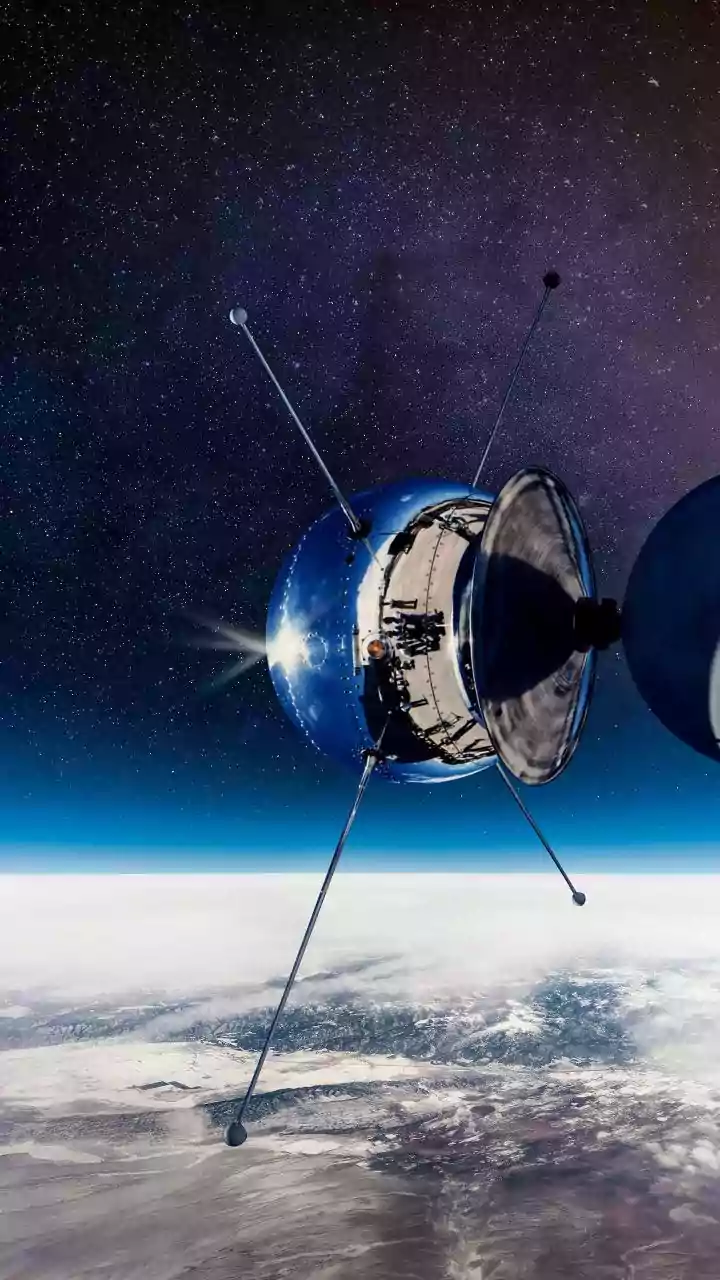
Since the launch of Sputnik in 1957, humanity has been sending objects into orbit. Many are now defunct, creating a hazardous field of space junk. This includes everything from dead satellites and spent rocket stages to tiny fragments from past collisions.
There are an estimated 36,500 objects larger than 10 cm being tracked, but millions of smaller, untraceable pieces are also whipping around the planet at incredible speeds. Even a small paint chip, traveling at over 28,000 km/h, can inflict catastrophic damage on an active satellite or a crewed spacecraft. The growing concern is a chain reaction scenario known as the Kessler Syndrome, where one collision creates a cascade of new debris, leading to more collisions and potentially rendering entire orbital paths unusable for generations.
The Multi-Billion Dollar Cleanup
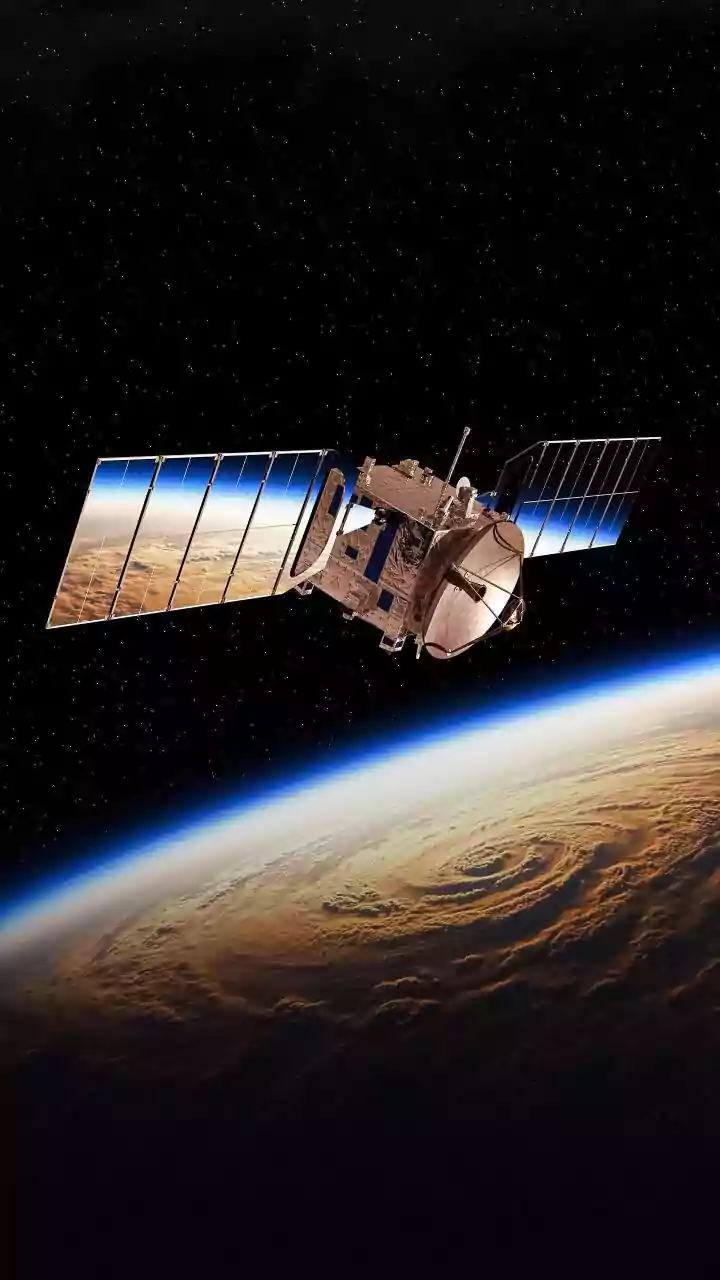
The threat posed by this debris is the primary driver behind the booming market forecast. One recent report predicts the space debris removal market will grow from around $143 million in 2025 to $9.57 billion by 2035, representing a compound annual growth rate of 41.6%. This growth is fueled by the exponential increase in satellite launches, particularly the deployment of mega-constellations for internet service by companies like SpaceX and Amazon. With more than 2,800 satellites being launched annually, the 'highways' of low-Earth orbit (LEO) are becoming dangerously congested, increasing the demand for janitorial services to protect these valuable assets. This has turned orbital sustainability from a long-term goal into a pressing strategic and commercial requirement.
The Innovators and Their Tools
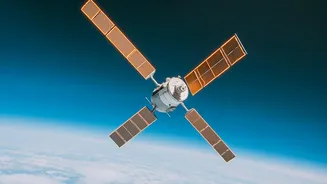
A new generation of aerospace startups and established giants are developing a diverse toolkit for this complex job. Technologies being tested include robotic arms to grab debris, as well as nets, tethers, and even harpoons to capture non-cooperative targets. Non-contact methods, such as using ground-based lasers to gently nudge debris into a new trajectory, are also being explored. Companies like Switzerland's ClearSpace and Japan's Astroscale are leading the way with dedicated debris-removal missions commissioned by the European Space Agency (ESA) and Japan's JAXA. Meanwhile, aerospace titans like Northrop Grumman and Lockheed Martin are leveraging their expertise in satellite servicing to enter the market. NASA has also designed its own concept for a low-cost Active Debris Removal Vehicle (ADRV).
A Forecast, Not a Certainty
Despite the optimism, significant hurdles make this forecast far from guaranteed. The headline's caution is well-founded, as the industry faces immense legal, economic, and technical challenges. A major legal gray area is the question of ownership and liability. Under the 1967 Outer Space Treaty, a space object remains the property of the launching nation, even if it's just a piece of junk. This means one company can't legally remove another country's debris without permission, a major roadblock when much of the largest debris belongs to nations that may be politically inaccessible. Furthermore, the high cost of each mission remains a primary barrier to widespread adoption, limiting the market to government agencies and large commercial operators for now.
The Tipping Point for a Cleaner Orbit
For the space debris removal market to reach its multi-billion dollar potential, several things need to happen. Clearer international regulations are essential. The current patchwork of guidelines and national laws, like the U.S. FCC's 5-year deorbit rule, creates compliance challenges and legal uncertainty. A universally accepted framework for debris ownership, liability, and traffic management is needed to create a stable market. Continued government investment will likely be necessary to fund initial, costly missions and prove out the technology. As companies develop reusable servicing vehicles and multi-object removal systems, the cost per mission should fall, making it a more viable commercial service. Ultimately, the urgency of protecting critical satellite infrastructure may be the strongest catalyst, forcing nations and companies to finally invest in cleaning up their orbital backyard.