






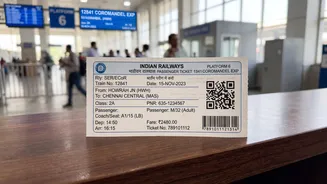


You’re at the counter, finalising trip details. You pull out cash to pay, but the agent says it’s fine for the ticket but not for the optional travel insurance. This isn’t an arbitrary rule; it’s rooted in strict financial regulations in India.
Insurance Is Not a Retail Good
The primary
reason you cannot bundle a travel insurance payment with a cash transaction for your ticket is that insurance is not a simple retail product. It is a formal financial contract. When you buy a plane or train ticket, you are purchasing a service. When you buy insurance, you are entering into a regulated agreement with an insurer. In India, the insurance sector is governed by the Insurance Regulatory and Development Authority of India (IRDAI), which sets specific rules for how policies are sold and paid for. These rules are designed to protect both consumers and the integrity of the financial system, treating insurance policies with a higher level of scrutiny than a simple cash-for-service exchange.
The Watchful Eye of Financial Regulators
A major factor is the government's effort to curb money laundering. Regulations under the Prevention of Money Laundering Act (PMLA), 2002, require all financial institutions, including insurance companies, to have stringent checks in place. Cash transactions are difficult to trace, making them a potential vehicle for illicit funds. To combat this, regulators have pushed for payments to be made through identifiable banking channels. The IRDAI has set guidelines that require insurers to conduct customer due diligence and monitor transactions. One such rule specifies that cash remittances for premiums should not exceed a certain threshold, which is often much lower than the cost of a comprehensive policy. For instance, Indian Railways' counter-booked insurance scheme explicitly requires digital payment. This ensures there is a clear, verifiable record of where the money came from, a practice known as 'Know Your Customer' (KYC).
Creating a Verifiable Money Trail
Digital payments—such as credit cards, debit cards, UPI, or net banking—create an automatic and traceable record of the transaction. This trail is crucial for several reasons. Firstly, it proves that you, the policyholder, are the one who paid the premium from a legitimate source. Secondly, it helps the insurance company meet its reporting obligations to financial intelligence units. According to IRDAI's Anti-Money Laundering (AML) and Counter-Financing of Terrorism (CFT) guidelines, insurers are designated as 'reporting entities' and must maintain detailed records of transactions and report suspicious activities. Accepting cash, especially at a third-party counter like a travel agency, complicates this compliance immensely and opens the door to regulatory penalties.
The Legal Nature of an Insurance Contract
An insurance policy is a legal contract that requires accurate identification of the policyholder to be valid. When you pay through a bank account or card, your identity is already partially verified through the bank's own KYC process. This links the policy directly to a specific, verified individual. This verification becomes critical at the time of a claim. If the premium was paid in untraceable cash, it could create disputes over who the actual policyholder is, potentially delaying or even leading to the rejection of a claim. For the contract to be enforceable and for you to receive benefits smoothly in an emergency, the insurer needs unambiguous proof of who purchased the policy and with what funds. Digital payments provide this clarity.
Practical Hurdles for Agents and Airlines
Beyond the regulatory framework, there are practical reasons why ticket counters do not accept cash for insurance. The travel agent or airline is acting as an intermediary or distributor for the insurance company. Handling cash for a separate, highly regulated financial product creates a significant administrative burden. They would need to implement separate accounting systems, ensure compliance with AML rules on behalf of the insurer, and manage the logistics of transferring that cash securely. It is far simpler and safer for them to enforce a blanket rule: all insurance-related payments must be made through digital channels that automatically handle the necessary record-keeping and verification, insulating them from compliance risks.
Your Best Payment Alternatives
Given these regulations, it is always best to be prepared with a digital payment method when booking travel, especially if you plan to purchase addons like insurance. Accepted methods almost universally include : Credit or Debit Cards : The most straightforward option , providing a clear statement and transaction record . UPI ( Unified Payments Interface ) : A quick and easy method for Indian travellers , directly linking to your bank account . Net Banking : Another secure way to pay directly from your account . By using these methods , you are not only complying with the law but also strengthening your own position by creating a clear , indisputable record of your insurance purchase . This ensures your policy is valid from the start and protects you from potential issues down the line .