



Defining Flavour Maximalism
So, what exactly is 'flavour maximalism'? Think of it as the culinary equivalent of a festival, a celebration of intensity. It is not simply about making food spicier. According to the Godrej Food Trends Report 2026, this trend is about layering multiple
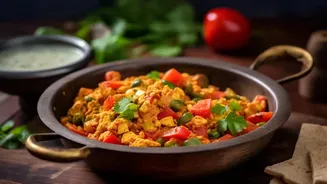
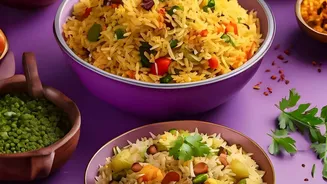
taste profiles into a single dish: sweet, sour, spicy, smoky, and crunchy, all at once. The goal is to create a multi-sensory experience that is complex and deeply satisfying. This approach champions bold, unapologetic flavours, where chefs and home cooks are no longer shying away from intensity but are instead dialling it up to create dishes that are both exciting and memorable. It's a departure from the singular focus on balance and a move towards a more dramatic and expressive style of cooking.
The Rise of Umami and Fermentation
At the heart of this flavour explosion is a deeper, more conscious understanding of umami—the fifth taste. Described as a pleasant, savoury depth, umami has always been present in Indian cooking through ingredients like tomatoes, aged ghee, and slow-cooked onions. Now, chefs are intentionally amplifying it. Fermentation, a traditional technique used for everything from dosa batter to pickles, is being celebrated as a primary way to build this complex, savoury foundation. Techniques like blooming spices in hot oil (tadka), slow browning of masalas (bhuna), and smoking are being used with greater precision to extract every possible layer of flavour. These methods, once part of traditional wisdom, are now being applied with scientific intention to create dishes that are profoundly flavourful.
Chefs Leading the Charge
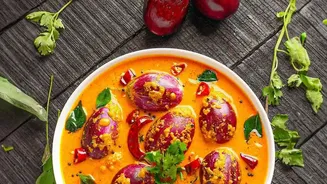
Across India, a new generation of chefs is rewriting the rules. Restaurants like Masque in Mumbai and OMO Café in Gurgaon are championing indigenous ingredients and using bold techniques to transform them. You might find a black rice taco or a raw banana shawarma wrapped in a ragi tortilla—dishes that are grounded in Indian terroir but executed with global flair. In Goa, Hosa is reimagining South Indian cuisine with daring plates like Kari dosa with bone marrow hollandaise. Even abroad, chefs at restaurants like Semma and Dhamaka in New York are gaining acclaim for serving unapologetically regional and bold Indian flavours, proving that authenticity doesn't need to be diluted for a global audience. These culinary leaders are demonstrating that Indian food can be both rooted in tradition and startlingly innovative.
Why Is This Happening Now?
Several factors are fuelling this shift towards maximalism. The rise of social media has created a demand for food that is not only delicious but also visually and conceptually stunning. A dish with multiple components and intense colours is inherently more 'Instagrammable'. Furthermore, there is a growing appreciation for regional and hyper-regional cuisines, which often feature robust and distinctive flavour profiles. Chefs and diners alike are exploring the culinary diversity of India, moving beyond generic curries to celebrate the unique tastes of specific communities. This movement is also part of a broader cultural trend. In a world of fleeting digital content, a powerful, memorable flavour experience offers a tangible and grounding moment of pleasure.
Experience the Trend at Home
You don't need to be a professional chef to bring this trend into your own kitchen. Start by focusing on flavour-building techniques. Toast your spices in a dry pan before adding oil to awaken their aromatic compounds. Don't rush the process of browning your onions; let them caramelize slowly to develop a deep, sweet, and savoury base. Experiment with fermented ingredients like tamarind paste, high-quality pickles, or even a dash of miso in your dals to add a layer of umami. Think about texture as a component of flavour—add a crunchy element like toasted nuts or fried lentils to an otherwise soft dish. The key is to think in layers, building complexity with each step to create a final dish that is anything but one-dimensional.