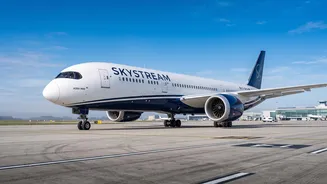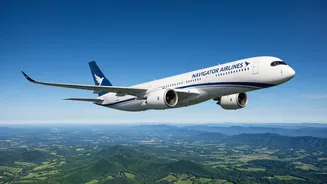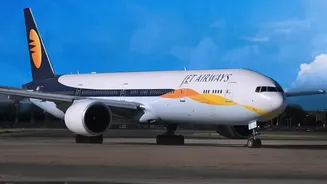







The dream of flying non-stop from India to more global destinations is becoming a reality in 2026. A major expansion by Indian and international carriers is reshaping travel, promising more convenience, shorter journeys, and exciting new places to explore.
The Great Aviation Expansion
For decades, long-haul travel from India often meant a layover in the Middle East or Southeast Asia. That is changing. In 2026, Indian airlines are aggressively expanding their own direct international routes, a strategic shift aiming to make Indian cities the new transit hubs. This boom is fuelled by a growing economy, rising demand for international travel from Tier II and Tier III cities, and a massive investment in new, fuel-efficient aircraft. Airlines are placing record-breaking orders for planes capable of flying farther than ever before, making direct connections to Europe, Asia, and North America more commercially viable.
Air India and Air India Express Widen Their Reach
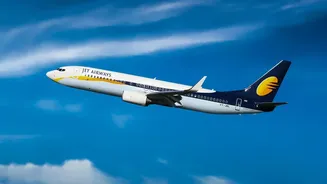
Under new ownership, Air India is bolstering its global presence. In a significant recent development, the airline restored non-stop services on all its routes from Delhi and Mumbai to New York (JFK) and Newark (EWR) after airspace restrictions eased. This move alone cuts travel time by up to five hours on these key North American routes. The airline has also launched new connections, including a Mumbai to Tokyo (Haneda) service. Its low-cost arm, Air India Express, announced a massive winter schedule starting in late October 2026, adding over 40 new routes. Key international additions include daily flights from Bengaluru to Kathmandu, twice-daily services from Chennai to Singapore, and new connections to Bangkok from Indore and Kochi.
IndiGo’s Ambitions Take Flight
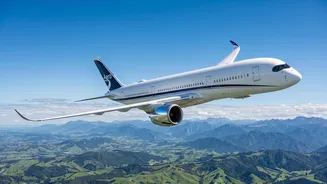
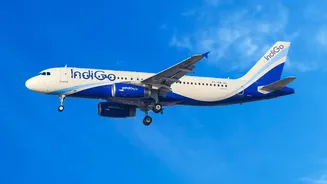
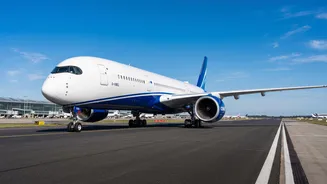
India's largest carrier, IndiGo, is also setting its sights on longer routes. The airline has made significant network additions in 2026, including daily non-stop service between Kolkata and Shanghai, a six-day-a-week service from Delhi to Colombo, and a unique route connecting Chennai with Réunion Island. While IndiGo concluded a temporary lease for Boeing 787 wide-body aircraft used for some European routes in late 2026, it reiterated its long-term strategy is unchanged. The airline is preparing for a major long-haul expansion with its own fleet of Airbus A350 aircraft, expected to start arriving in 2028. In the meantime, it plans to leverage partnerships with other airlines to grow its international network.
International Airlines Join the Push
It isn't just Indian carriers expanding. Foreign airlines are also launching new direct services to India, recognizing the country's booming travel market. SWISS International Air Lines, for example, introduced its first-ever service to South India in October 2026 with a route connecting Bengaluru to Zurich. This provides a new non-stop gateway to Central Europe for business and leisure travellers. Other foreign carriers like EVA Air and flyadeal are also adding or resuming services to Indian cities, further increasing competition and choice for passengers.
What This Means for Travellers
This wave of new direct flights brings a wealth of benefits for travellers in India. The most obvious advantage is saving time. By cutting out layovers, journeys to popular destinations in North America and Europe can be shortened by several hours. Increased competition among airlines on these new routes often leads to more competitive pricing, making international travel more affordable. Furthermore, the expansion opens up direct access to new destinations that were previously harder to reach, like Réunion Island, while strengthening connections to major global hubs. From business trips to family vacations, the growing network of non-stop flights offers unprecedented convenience and flexibility.