


Gurudongmar Lake, Sikkim: A Spiritual High-Altitude Walk
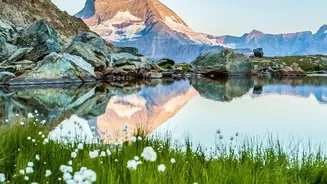
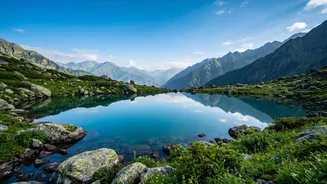
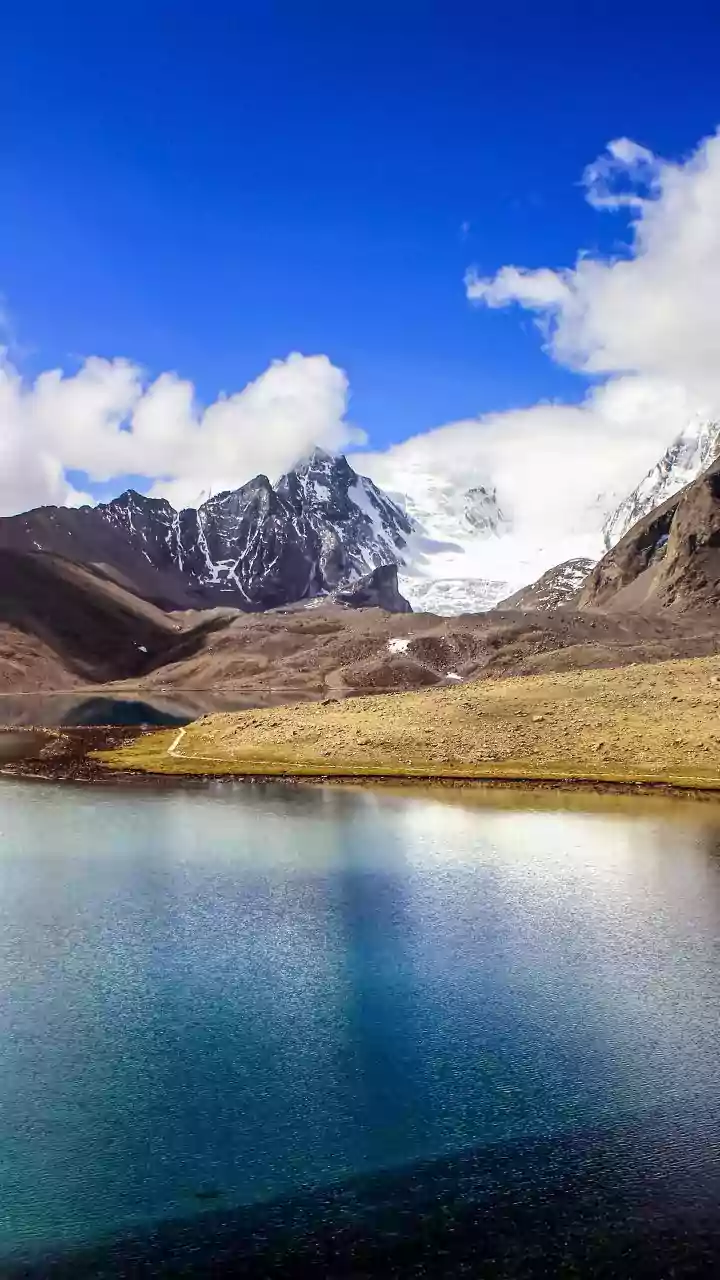
At an elevation of over 17,000 feet, Gurudongmar Lake is one of the highest in the world, and a walk along its shores is a truly spiritual experience. Located in North Sikkim near the Tibetan border, the air is thin and the landscape is starkly beautiful,
with snow-dusted mountains ringing the sacred, glacial-fed waters. The walk here is not about distance but about presence. The path around the periphery allows for slow, mindful steps as you take in the panoramic views and fluttering prayer flags. Locals believe a portion of the lake never freezes, a testament to the blessings of Guru Padmasambhava who is said to have visited here. Key Facts: A Protected Area Permit (PAP) is required for Indian tourists, which must be arranged through a registered Sikkim tour operator; foreign nationals are generally not permitted. The best time to visit is between April and June or October and November, but access is always subject to weather conditions. Acclimatisation is crucial, with most visitors staying overnight in the village of Lachen before making the early morning journey to the lake.
Sela Lake, Arunachal Pradesh: A Heavenly Stroll
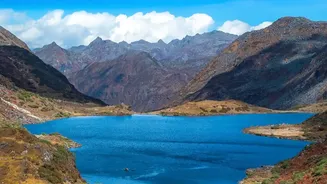
Situated near the iconic Sela Pass on the route to Tawang, Sela Lake is often called 'Paradise Lake', and a short walk around its banks reveals why. At over 13,700 feet, this crystal-clear alpine lake is surrounded by rugged, bare mountains, creating a sense of profound isolation and calm. A stroll here is a chance to experience the raw, windswept beauty of the Eastern Himalayas. In winter, the lake often freezes over, transforming the landscape into a serene, white expanse. The walk itself is gentle, following a short path from the main road down to the water's edge, where you can admire the prayer flags reflecting in the still water. Key Facts: Located in Arunachal Pradesh, all visitors require a permit (Inner Line Permit for Indians, Protected Area Permit for foreigners). The lake is accessible year-round, thanks to the new Sela Tunnel which provides an all-weather alternative to the pass, though the pass itself can close due to snow. The best seasons are from March to June and September to November for clear views. Even in summer, warm layers are essential as the weather can change in an instant.
Umiam Lake, Meghalaya: The Pine-Scented Meander
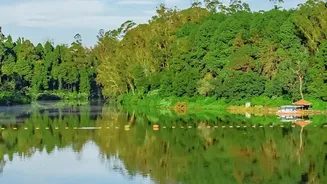
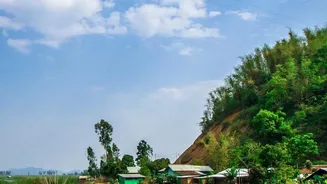
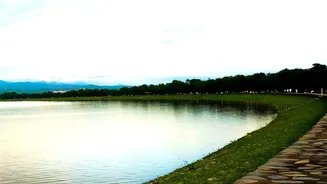
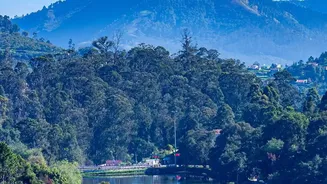
Unlike the high-altitude lakes, Umiam Lake near Shillong offers a different kind of tranquility. This vast man-made reservoir, also known as Bara Pani, is fringed by pine-covered hills, offering scenic and accessible walks. While the main viewpoint can be busy with boating and water sports, quieter trails can be found in the surrounding forests and at the nearby Nehru Park. A walk here is a gentle, pine-scented experience, with paths winding along the shoreline and offering stunning views of the sprawling water against the backdrop of rolling Khasi Hills. For a more secluded experience, trekking and camping are possible on islands within the lake, such as Lumpongden Island. Key Facts: Located just 15 km from Shillong, it's easily accessible via National Highway 6. The lake was created in the early 1960s as part of a hydroelectric project. The best time to visit for pleasant weather is from October to March. There are various entry points, including resorts and public parks, some of which may charge a small entry fee.
Loktak Lake, Manipur: A Walk on Floating Earth
A waterside walk at Loktak Lake is an experience found nowhere else on earth. This is the world's only floating lake, famous for its 'phumdis'—large, circular masses of vegetation, soil, and organic matter that drift on the surface. A walk here can mean strolling along the mainland shore, taking in the panoramic view of these unique islands from a viewpoint on Sendra Island. But for a truly unique experience, you can explore Keibul Lamjao National Park, the world's only floating national park, built entirely on the largest phumdi in the lake. The ground here is soft and springy, and walking on it feels otherworldly. This park is the last natural habitat of the endangered Sangai, or 'dancing deer', which has adapted to life on this floating ecosystem. Key Facts: Loktak is the largest freshwater lake in Northeast India, located about 48 km from Imphal, Manipur's capital. The best time to visit is between November and March, when migratory birds also flock to the lake. Visitors can take boat tours through the channels between phumdis for an immersive experience.