




Why Some Travelers Feel Overwhelmed
Search for reviews of Egypt and you'll find two camps: those who were mesmerized and those who felt it was overrated. The negative experiences often boil down to a few common themes: intense crowds at major sites, scorching heat, and the constant hustle
from aggressive vendors and touts. For many first-time visitors, especially those arriving without a pre-planned structure, the sensory overload of Cairo's traffic, the dust, and the directness of street commerce can be jarring. These challenges are real, but they are often symptoms of mismatched timing and expectations rather than a fundamental flaw in the destination itself.
The Power of Perfect Timing
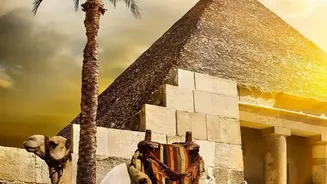
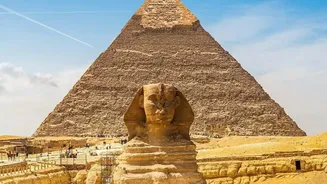
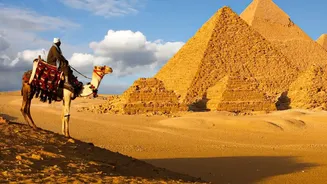
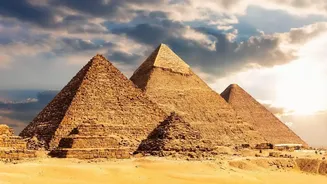
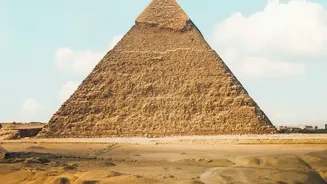
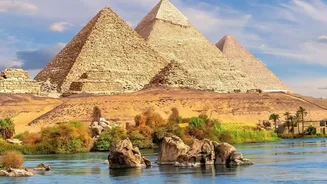
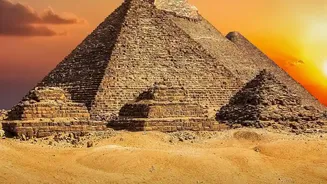
The single most important factor for a successful Egypt trip is timing, both by season and by the hour. The most pleasant weather for sightseeing occurs from October to April, when daytime temperatures are comfortable. The peak tourist season, however, falls in December and January, bringing with it the largest crowds and highest prices. For a better balance, consider the shoulder months of October, November, March, and April. During these periods, the weather is still pleasant, but the crowds are thinner. Even in peak season, you can beat the rush by visiting major attractions like the Pyramids of Giza or the Valley of the Kings first thing in the morning when they open, which also helps you avoid the intense midday sun.
Calibrating Your Expectations
Egypt is not a casual, drop-in destination; it’s a complex, modern country built atop millennia of history. Understanding this is key. The romanticized image of serene desert temples must be balanced with the reality of bustling, loud, and sometimes chaotic cities. Be prepared for a different cultural rhythm. Tipping, or 'baksheesh', is an ingrained part of the service economy for everything from a helpful pointer to carrying a bag. Vendors at tourist sites can be persistent. Rather than becoming frustrated, a polite but firm 'la, shukran' (no, thank you) is usually effective. Hiring a licensed Egyptologist guide can be one of the best investments, as they act as a cultural filter, handling logistics and deflecting unwanted attention so you can focus on the history.
Dress, Decorum, and Photography
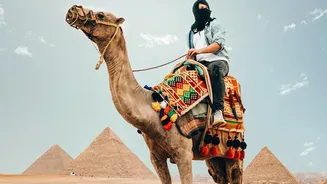
Respect for local customs goes a long way in shaping your experience. Egypt is a predominantly Muslim country, and modest dress is recommended, especially when visiting mosques and in more conservative areas. For both men and women, this generally means covering shoulders and knees. While you’ll see tourists in shorts in resort areas, more conservative clothing will help you blend in and avoid unwanted attention. When it comes to photography, always ask for permission before taking pictures of people. It's also important to be aware that photographing military installations, some government buildings, and police is illegal. A little cultural awareness shows respect and will be met with warmth.
Beyond the Golden Triangle
Many complaints about crowds stem from itineraries that focus exclusively on the Cairo-Luxor-Aswan route. While these are unmissable for first-timers, Egypt offers incredible diversity beyond them. Consider adding a few days by the Red Sea for world-class snorkeling and a more relaxed resort atmosphere. The coastal city of Alexandria offers a completely different vibe with its Mediterranean history and Greco-Roman past. For the truly adventurous, a trip to the Siwa Oasis in the Western Desert provides a stunning escape from the tourist trail, though it's best visited with a professional tour company. Building in time for these less-crowded destinations can provide a welcome change of pace and a more rounded view of the country.