


More Than Just a Childhood Memory
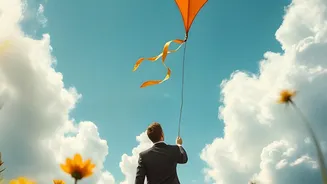
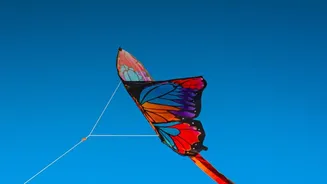
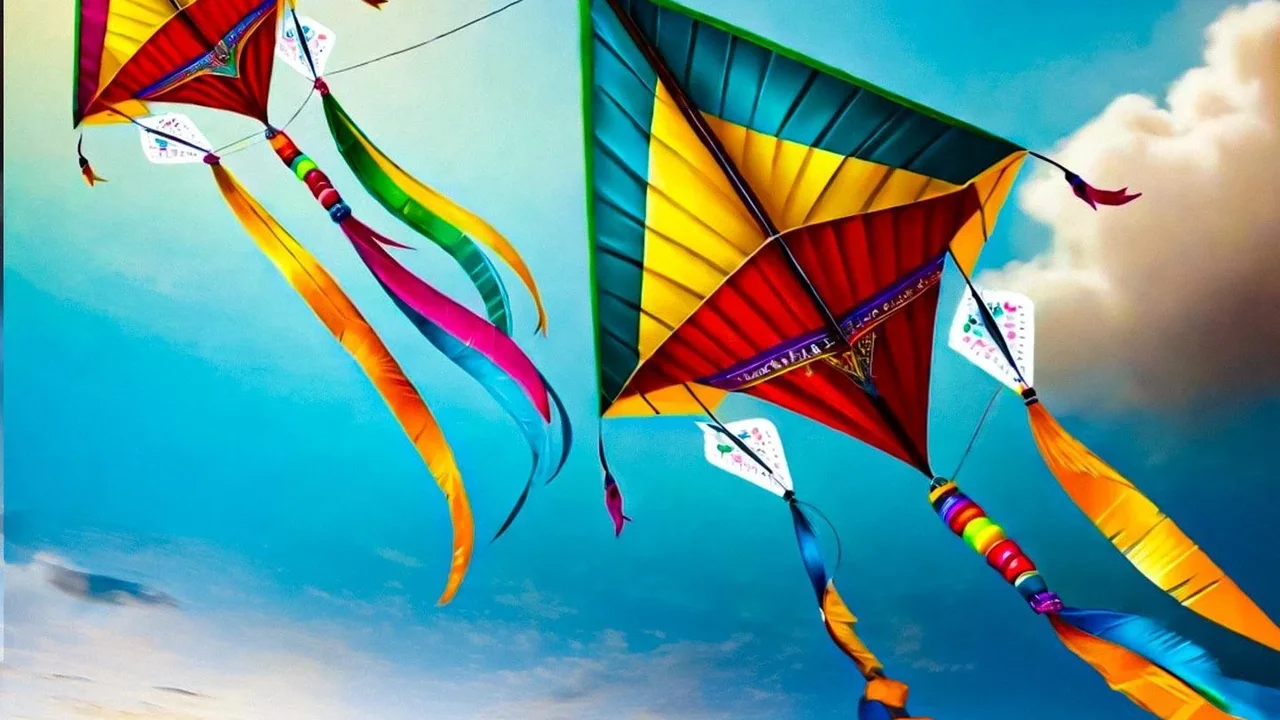
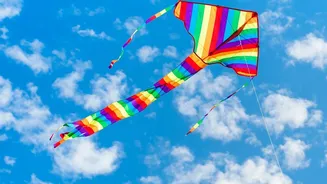
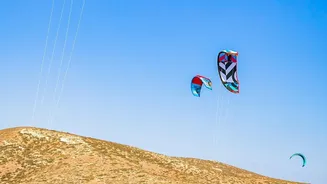
Remember the simple thrill of watching a colourful kite dance against an endless blue sky? This timeless activity is more than just a nostalgic memory; it's a holistic practice beneficial for all ages. Kite flying is a celebration of freedom and joy,
deeply woven into India's cultural fabric, from the vibrant Uttarayan festival in Gujarat to Independence Day celebrations across the nation. It calls us outdoors, away from digital distractions, and encourages a unique connection with nature. The feeling of the string in your hand, responding to the invisible power of the wind, is a reminder of the simple, tangible pleasures that exist beyond our daily routines. It’s an accessible, affordable way to engage your body and calm your mind simultaneously.
A Gentle Workout in the Wind
Don't underestimate the physical benefits of getting a kite airborne. It's not a passive activity. The process often begins with a run to catch the wind, providing a brief burst of cardio. Once the kite is flying, you are constantly making small adjustments, pulling and releasing the line, which engages the muscles in your arms, shoulders, and upper back. This continuous tension and movement helps build upper body strength and improves hand-eye coordination. Furthermore, spending time looking up at the kite helps stretch the neck and shoulder muscles, counteracting the poor posture many of us develop from long hours spent hunched over desks and phones. It’s a low-impact exercise that gets your heart rate up while being gentle on the body.
An Exercise in Active Mindfulness
The mental benefits of kite flying are perhaps its most compelling feature. To keep a kite soaring, you must be completely present. Your mind is focused on a single task: reading the wind, feeling the tension in the line, and making constant, subtle adjustments to maintain flight. This state of intense focus is a form of active meditation. It quietens the mental chatter of daily anxieties and deadlines, effectively reducing stress. Watching the kite drift peacefully can induce a state of calm and relaxation. This practice of mindfulness—paying full attention to the here and now—has been shown to improve mental clarity, decrease anxiety, and enhance your ability to concentrate in other areas of life.
Connecting with the Sky and Each Other
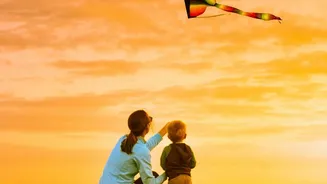
While flying a kite can be a peaceful solitary experience, it is also a wonderfully social activity. In India, kite flying is often a communal event, bringing families and entire neighbourhoods together on rooftops and in open fields. These gatherings foster a sense of community and friendly competition, especially during festivals where the goal is to 'cut' your opponent's string. Sharing the experience with loved ones creates lasting memories and strengthens bonds. It’s an activity that transcends age and physical ability, allowing grandparents, parents, and children to participate together, cheering each other on. This social connection is a vital component of emotional well-being.
Getting Started: Tips for Your First Flight
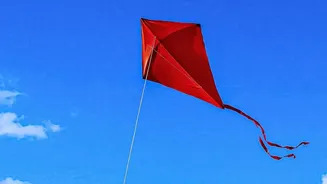
Ready to give it a try? Starting is simple. First, choose a kite. For beginners, a single-line diamond or delta-shaped kite is a great, stable choice. Find a wide-open space, like a park, beach, or field, far from trees, power lines, and buildings. The ideal wind is a steady, gentle breeze—not too strong, not too calm. Stand with your back to the wind and have a friend hold the kite about 50 feet away. As your friend releases the kite, pull the line hand-over-hand to help it climb. Once it's stable, you can let the line out slowly and find the 'sweet spot' where it flies with ease. The key is patience; learning to read the wind is part of the fun.