






Understanding the El Niño Phenomenon
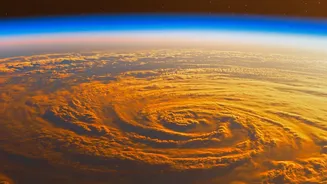
El Niño, Spanish for 'the little boy', is a naturally occurring climate pattern characterized by the unusual warming of surface waters in the eastern and central equatorial Pacific Ocean. This is one phase of a larger cycle called the El Niño-Southern
Oscillation (ENSO). Typically, these warmer waters alter atmospheric circulation patterns globally. For India, this can be bad news. An El Niño event often weakens the trade winds that are connected to the moisture-carrying monsoon winds, dampening the annual rains that are the lifeblood of the subcontinent's agriculture.
The 2026 Outlook: Why the Concern?
While long-range forecasting is complex, several climate models are indicating a strengthening El Niño event through the latter half of 2026. The World Meteorological Organization (WMO) has noted that a strong El Niño is expected to develop and intensify from August to October 2026, which could lead to above-normal temperatures globally. The India Meteorological Department (IMD) has also been monitoring the situation, having already forecast a below-normal monsoon for 2026 partly in anticipation of these conditions. The concern is not just that an El Niño is developing, but its potential strength. Stronger events have a more pronounced impact on global weather.
Why India's Monsoon Is So Vulnerable
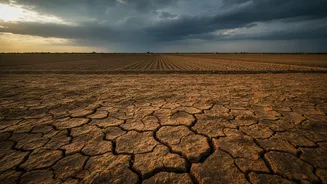
The Indian economy is deeply intertwined with the monsoon. The season delivers about 70% of the country's annual rainfall, and nearly half of its farmland is rain-fed, lacking access to irrigation. Historically, El Niño years have a strong correlation with weaker monsoons and even droughts in India. While not every El Niño leads to a drought, a significant number of India's past droughts have occurred during El Niño years. The phenomenon can lead to prolonged dry spells, reduced soil moisture, and stress on water reservoirs, directly impacting crop yields.
The Economic and Social Ripple Effect
A weak monsoon triggered by El Niño can have far-reaching consequences beyond the fields. Lower agricultural output directly impacts farmers' earnings, which in turn suppresses rural demand for goods like two-wheelers, tractors, and other consumer products. This slowdown can ripple through the wider economy. Furthermore, a shortfall in food production can lead to higher food prices, stoking inflation and putting pressure on household budgets across the country. S&P Global Ratings has warned that a deficient monsoon poses a significant risk to India's rural economy, potentially affecting everything from consumption to credit growth in the microfinance sector.
Preparing for a Drier Spell
Recognizing the risk, the Indian government has begun advising farmers on preparedness. This includes shifting to short-duration or drought-tolerant crop varieties and promoting water conservation techniques like micro-irrigation. The IMD is continuously monitoring the situation and issuing advisories to help state governments and various ministries with planning and disaster preparedness. The link between El Niño and the monsoon is not always perfectly direct; other climate factors like the Indian Ocean Dipole (IOD) can sometimes counteract its effects. However, the strong signal for the upcoming El Niño means that caution and preparation are the most prudent course of action for policymakers and the agricultural community alike.