

Start with the Right Foundation
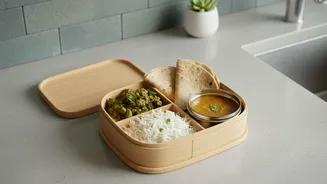
Your lunchbox is your first line of defense. An insulated, soft-sided lunch bag is essential for maintaining temperature. Unlike old-fashioned paper bags or metal boxes, modern insulated bags are designed to keep cold foods cold and hot foods hot. For
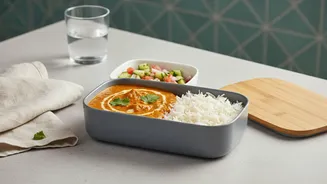
even better organization, consider a bento-style box. These containers have built-in compartments that are perfect for keeping different food items from touching. A high-quality leakproof bento box means you can pack yogurt, dips, or sauces without fear of them creating a soupy mess with your crackers or sandwich. This initial choice sets the stage for a better, more organized meal.
Mastering the Chill Factor
Keeping your lunch at a safe temperature is crucial, not just for quality but for food safety. Harmful bacteria can multiply rapidly in the 'danger zone' between 40°F and 140°F. To keep perishables cold, you need at least two cold sources. This could be two frozen gel packs, or a combination of one gel pack and a frozen water bottle or juice box. Freeze them overnight and place one on the bottom and one on top of your perishable items for maximum effectiveness. For an extra head start, you can pre-chill your entire lunchbox in the refrigerator overnight. Packing food that has been thoroughly chilled in the fridge also gives it a better chance of staying cool until lunchtime.
The Art of Wet-and-Dry Separation
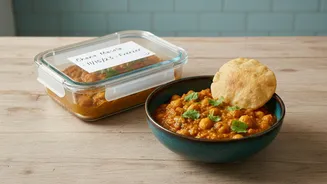
Sogginess is the enemy of a good packed lunch. The key to victory is separation. Trapped steam and moisture are the primary culprits. If you're packing something warm, always let it cool completely before sealing the container; this prevents condensation from forming and turning everything soft. For salads, always pack the dressing in a separate, small, leakproof pot. When assembling a salad in a jar or container, layer strategically: wet ingredients like tomatoes or cucumbers at the bottom, followed by grains or proteins, with delicate leafy greens at the very top. This keeps the greens from wilting before you're ready to eat.
Deconstructing the Sandwich
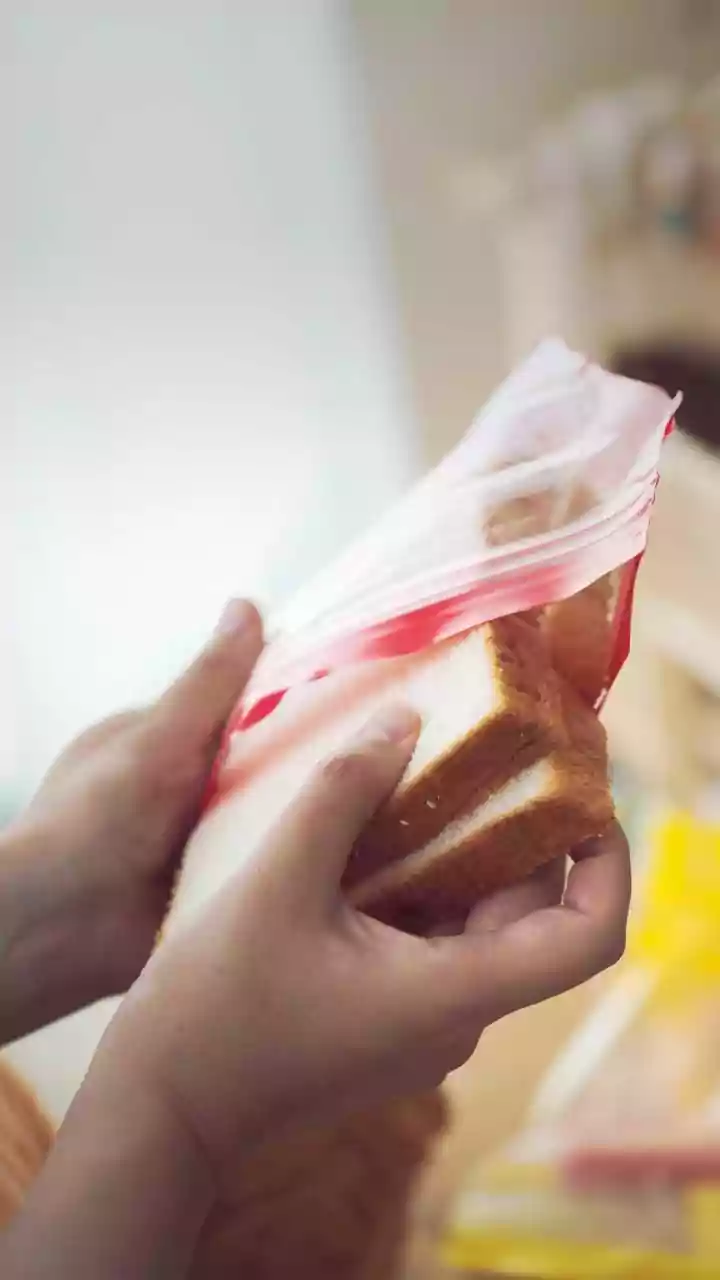
A sandwich packed at 7 a.m. can be a depressing sight by noon. To prevent soggy bread, create a moisture barrier. Spreads like butter, mayonnaise, or a thick hummus can act as a shield between the bread and wetter fillings. Placing slices of cheese or deli meat directly against the bread can also form a protective layer. Position wet ingredients like tomatoes or pickles in the center of the sandwich, cushioned by other components. For ultimate crispness, consider packing your ingredients separately and assembling your sandwich just before eating. It takes an extra minute at your desk but guarantees the perfect bite.
Component Packing for Ultimate Freshness
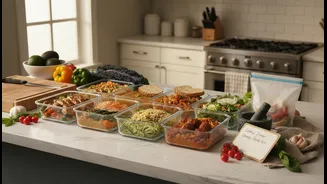
Take the deconstructed sandwich idea a step further with component packing. This involves packing individual ingredients in a compartmentalized container to be mixed or assembled at lunchtime. This is ideal for salads, grain bowls, and wraps. Pack chopped vegetables, a portion of grilled chicken, a serving of quinoa, and a small container of dressing all in their own sections. This not only prevents sogginess but also keeps flavors and textures distinct and fresh. It allows for a more dynamic and enjoyable meal, turning your desk into a mini-assembly station for a restaurant-quality lunch.
Don't Forget the Toolkit
A great lunch can be undermined by a lack of proper tools. Ensure you pack a set of reusable cutlery, a napkin, and any necessary condiments. If you're packing a salad that needs tossing, make sure your main container is large enough to accommodate mixing without spillage. For foods that need reheating, be mindful of how you'll do it. Microwaves can make some foods rubbery or soggy. If you have access to a toaster oven, it can be a great way to revive the texture of things like pizza or roasted vegetables. A simple paper towel can also be a secret weapon; placing one in the bottom of a container can help absorb any unexpected condensation.