








Meet Your Invisible Roommates
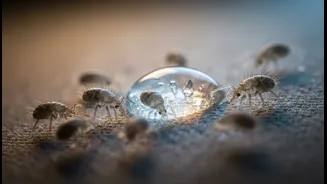
Dust mites are tiny, insect-like creatures that are invisible to the naked eye. They are not parasites that bite or sting; the real issue stems from the allergenic proteins found in their waste and decaying bodies. These allergens easily become airborne
during daily activities like walking on a carpet or making the bed, and when inhaled, they can trigger a range of allergic reactions. Their primary food source is the dead skin cells that humans and pets shed daily, which is why they congregate in places where these particles accumulate. Think mattresses, pillows, carpets, upholstered furniture, and even soft toys—these are all prime real estate for a dust mite population.
The Critical Humidity Connection
Humidity is the single most important factor for a dust mite's survival. Unlike other pests, dust mites don’t drink water; they absorb it directly from the air. This makes them highly dependent on the moisture levels in their environment. They thrive in warm, humid conditions, with ideal humidity levels for their growth and reproduction falling between 70% and 80%. Conversely, they cannot survive in dry conditions. Keeping your home's relative humidity below 50% is one of the most effective strategies to control their population, as it creates an environment where they struggle to live and reproduce. In many parts of India, especially during monsoon season, outdoor humidity can be persistently high, making indoor moisture control a significant challenge and a crucial task.
Signs Your Home Is Too Welcoming
Since dust mites themselves are invisible, the first sign of a problem is often how your body reacts. A dust mite allergy can cause symptoms that are frustratingly similar to a common cold, but they persist long after a cold would have resolved. Telltale signs include chronic sneezing, a runny or stuffy nose, itchy and watery eyes, and an itchy throat. For some, the allergy can manifest as eczema flare-ups. Symptoms are often worse in the morning after spending the night surrounded by allergens in bedding, or during and after cleaning, which stirs dust into the air. For individuals with asthma, exposure to dust mites is a major trigger that can lead to increased coughing, wheezing, chest tightness, and shortness of breath, potentially escalating into a severe asthma attack.
Your Action Plan: Lowering the Humidity
Actively managing your home’s humidity is a foundational step in your fight against dust mites. The goal is to consistently keep the relative humidity level between 30% and 50%. You can monitor this with an inexpensive device called a hygrometer. During India's humid seasons, a dehumidifier is your most powerful tool, actively pulling moisture from the air. Beyond that, simple habits can make a big difference. Ensure you use exhaust fans in kitchens while cooking and in bathrooms during and after showering to vent moisture outside. Improving general air circulation by opening windows (when the outside air is drier) or using fans can also help prevent humid air from stagnating.
A Multi-Pronged Attack on Allergens
While controlling humidity is crucial, a comprehensive approach yields the best results. Combine moisture management with a dedicated cleaning routine. Encase mattresses and pillows in allergen-impermeable covers, which create a barrier between you and the mites. Wash all bedding, including sheets, pillowcases, and blankets, weekly in hot water (at least 54°C) to kill mites. Regular vacuuming of carpets and upholstered furniture with a vacuum that has a HEPA filter will help remove both the mites and their allergenic waste. Whenever possible, opt for hard flooring over wall-to-wall carpeting, as carpets are significant reservoirs for allergens. Finally, reduce clutter around the home to minimize the number of places where dust can settle and accumulate.