




What the Latest Forecasts Predict
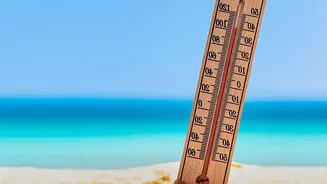
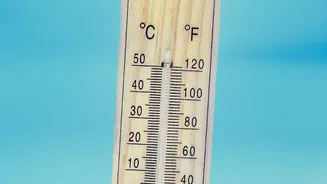
The World Meteorological Organization (WMO) regularly issues predictions on global temperatures. A recent update indicated a high probability—a 91% chance, to be precise—that at least one year between 2026 and 2030 will temporarily exceed 1.5°C above
pre-industrial levels. It also predicted that annual average temperatures will likely range between 1.3°C and 1.9°C higher than the 1850-1900 average during this period. However, the report also stated it is exceptionally unlikely, less than a 1% chance, that any single year in the next five will exceed the 2°C mark. These predictions are driven by underlying global warming combined with natural climate variations, like the expected development of a strong El Niño event.
The 2°C Goal: A Marathon, Not a Sprint
The 2°C target, enshrined in the 2015 Paris Agreement, refers to limiting the long-term increase in global average temperature to “well below 2°C” above pre-industrial levels. Crucially, this is not about a single day, month, or even a single year. Climate scientists define this long-term average over a period of 20 to 30 years. Therefore, one or even a few years temporarily spiking above a threshold is not the same as permanently breaching the Paris Agreement's goal. Think of it as the difference between a daily fever and a chronic, life-altering illness. The goal is to keep the planet’s overall health stable in the long run.
Weather vs. Climate: An Essential Distinction
This brings us to the fundamental difference between weather and climate. Weather describes short-term atmospheric conditions—it's what you see outside your window today or this week. Climate, on the other hand, is the average of that weather over many years, typically 30 or more. A single hot summer or a record-breaking warm year is a weather event. While these events are becoming more frequent and intense due to climate change, they don't by themselves signify that we have crossed a permanent climate tipping point. A simple way to remember it is that climate is what you expect, like a hot summer in Delhi, while weather is what you get, like an unseasonably cool day in May.
Why This Is Still a Critical Warning
Just because we haven't permanently failed the 2°C goal doesn't mean these forecasts aren't deeply concerning. These temporary spikes are a clear signal that we are getting dangerously close to the long-term limits. Scientists see these events as a “broken record of broken records,” clear signs that human-induced warming is accelerating. Each temporary breach makes the long-term average creep higher. The risks associated with a 2°C world are severe, including more extreme heatwaves, coastal flooding, and disruptions to agriculture that could make large parts of the world, particularly in South Asia, unsurvivable. Every fraction of a degree matters, and these forecasts underscore the urgency of the situation.
The Path Forward
The latest scientific reports are not a reason to despair, but a powerful call to action. They confirm that the window to limit warming to 1.5°C or even 2°C is closing rapidly. Achieving these goals requires deep, rapid, and sustained cuts in greenhouse gas emissions across all sectors of the global economy. These forecasts reinforce the scientific consensus that current policies are insufficient and that the pace of change must accelerate. The warnings are clear and growing louder. The temporary temperature spikes we are beginning to see are the planet’s fire alarm; it’s not the fire that will burn the house down, but it’s a sound that demands an immediate and decisive response.