





What Is 'Double Carbing'?
‘Double carbing’ is the practice of eating two main sources of carbohydrates in the same meal. Think pasta served with garlic bread, a burger with a side of fries, or the familiar Indian combination of eating both roti and rice in one sitting. While carbohydrates are
a crucial energy source for the body, the issue often arises when both sources are 'refined'. Refined carbs, like white rice, white bread, and most pastas, have been stripped of much of their natural fibre and nutrients during processing. This means you are getting a double dose of starchy, quick-release energy without much else to offer nutritionally.
The Missing Nutrients: Protein and Fibre
When two carb sources dominate your plate, they physically and calorically crowd out other essential food groups. This often means smaller portions of protein-rich foods and vegetables, which are high in fibre. A meal consisting of refined carbs like white pasta with a side of white bread, for example, is dense in calories but poor in nutrients. Over time, this eating pattern can lead to a diet that is consistently low in protein and fibre, two of the most important components for satiety (feeling full), muscle maintenance, and digestive health. This imbalance can leave you feeling hungry again soon after eating, leading to cravings and potential overeating.
Why Your Body Needs Quality Protein
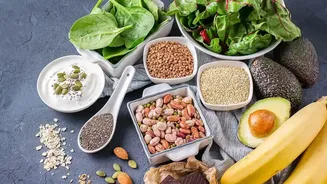
Protein is the building block of life, essential for repairing cells, building muscle, and supporting a healthy immune system. Including a good source of protein with every meal helps to keep you feeling full and satisfied for longer. This is because protein is more complex to digest than refined carbohydrates, leading to a slower, more sustained release of energy. When a meal is short on protein, you miss out on these benefits. Common protein sources in an Indian diet include dal, legumes like chickpeas, paneer, eggs, chicken, and fish. Ensuring one of these has a prominent place on your plate is key to avoiding the energy crashes associated with a carb-heavy meal.
The Forgotten Importance of Fibre
Fibre is a type of carbohydrate that the body cannot digest, and it plays a vital role in our health. It promotes good digestive function, helps regulate blood sugar levels, and contributes significantly to feelings of fullness. Refined carbohydrates have had most of their natural fibre removed. In contrast, whole grains like brown rice, whole wheat, and millets, along with vegetables and legumes, are packed with it. A diet consistently low in fibre can contribute to digestive issues and may leave you more susceptible to the sharp blood sugar spikes that follow a meal high in refined carbs.
Is Your Thali Out of Balance?
In the context of Indian cuisine, double carbing is incredibly common. A typical meal might feature a large portion of white rice alongside a potato-heavy curry (aloo sabzi), with maybe a roti or two. While delicious, this combination means the plate is overwhelmingly composed of carbohydrates, leaving little room for a substantial portion of dal, paneer, or a generous serving of non-starchy vegetables. Even a meal of dal, rice, and roti can become unbalanced if the dal is watery and the portions of rice and roti are large. The goal isn't to eliminate carbs, but to achieve a better balance.
Simple Swaps for a Healthier Plate
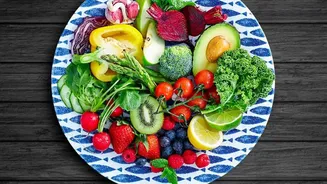
Rebalancing your meals doesn't require drastic changes. Instead of having both rice and roti, choose one and increase the portion of your protein and vegetables. For instance, pair your roti with a hearty bowl of dal and a large helping of sabzi made from leafy greens or other vegetables. If you are having rice, try swapping white rice for brown rice or millets and pair it with a protein-rich curry like chana masala or fish curry. Instead of a potato-based side, opt for a mixed vegetable stir-fry or a fresh salad. These simple adjustments ensure your meal is more nutrient-dense, satisfying, and balanced, providing sustained energy rather than a quick spike and crash.