






The Spirit of the Fast: Sattva vs. Rajas
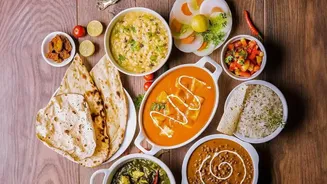
Navratri fasting is about more than just abstaining from certain foods; it's a practice rooted in purifying the body and calming the mind. Ayurvedic principles classify foods into three categories: sattvic, rajasic, and tamasic. Sattvic foods are considered
pure, light, and calming, promoting mental clarity. Think fresh fruits, milk, and certain vegetables. Rajasic foods are stimulating, while tamasic foods are dulling and heavy. The traditional Navratri diet heavily favours sattvic foods to aid in meditation and spiritual focus. Things like grains, onions, garlic, alcohol, and processed items are typically avoided.
Where Does Coffee Fit In?
Traditionally, stimulating beverages like coffee and tea are avoided during Navratri. Coffee is considered a 'rajasic' substance because its primary component, caffeine, is a stimulant. The purpose of the fast is to reduce mental agitation and turn inward, whereas caffeine does the opposite—it increases alertness and can sometimes lead to restlessness, which goes against the serene spirit of the observance. Therefore, strict interpretations of fasting rules prohibit caffeinated drinks. However, traditions vary greatly by family and region, and there is no single universal rule.
Health First: Caffeine on an Empty Stomach
Beyond tradition, there are physiological reasons to be cautious. Consuming coffee, especially on an empty stomach, can increase gastric acid production, potentially leading to discomfort, acidity, or nausea for some individuals. Since fasting often involves longer periods without food, the body can be more sensitive. The stimulating effects of caffeine can also be amplified, leading to feelings of anxiety, jitteriness, or even heart palpitations in susceptible people. Furthermore, caffeine can interfere with sleep, which is crucial for maintaining energy levels during the nine-day period.
A Modern, Mindful Approach
Many people today find it difficult to function without their daily coffee. The consensus among many is that the decision is ultimately personal. Some sources suggest that if you choose to have coffee, opting for a simple black coffee without sugar or milk is a more 'sattvic' choice. The key is moderation and listening to your body. If one small cup helps you navigate your day without negative side effects, some may find it an acceptable compromise. However, if coffee makes you feel anxious, acidic, or disrupts your sleep, it's likely best to avoid it to honour both your health and the fast's purpose.
Energising Alternatives for Your Fast
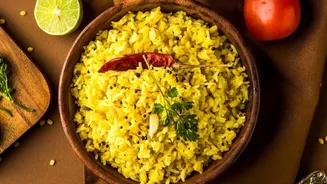
If you decide to skip the coffee, there are plenty of vrat-friendly options to keep your energy levels stable. Staying well-hydrated is paramount, so drink plenty of water, coconut water, or fresh fruit juices. Nutrient-dense foods can provide sustained energy. A small handful of nuts like almonds and walnuts, protein-rich dairy like paneer and yogurt, or snacks like roasted makhana (fox nuts) are excellent choices. Meals made from buckwheat (kuttu) or barnyard millet (samak) also offer complex carbohydrates for lasting energy. For a warm beverage, herbal teas without caffeine can be a soothing and permissible alternative.