



More Than Just a Novelty
Walking in reverse isn't just a quirky challenge; it's a form of exercise with a history in athletic training and physical rehabilitation. Unlike forward walking, which often becomes an automatic motion, taking steps backward requires more focus and engages
your muscles in completely different ways. When you walk backward, your toe strikes the ground first, rather than your heel. This small change alters your entire gait, activating muscles that are often underused in daily life and traditional workouts. It forces your brain to be more alert and aware of your body's position in space, improving coordination and proprioception—your sense of where your body is. As a result, what seems like a simple activity becomes a powerful tool for both physical and cognitive conditioning.
A Boost for Knees and Balance
One of the most celebrated benefits of retro-walking is its positive impact on knee health. The motion puts significantly less stress and compression on the knee joint compared to forward walking, making it an excellent low-impact option for people with knee osteoarthritis or general joint pain. Studies have shown that backward walking can reduce pain and improve function for those with knee issues by strengthening the quadriceps muscles, which provide crucial support for the knee. This strengthening happens without the harsh impact of a heel strike. Beyond the knees, backward walking is a champion for improving balance and stability. It challenges your body's stability systems, which can help reduce the risk of falls, particularly in older adults. Research indicates that regular backward walking can lead to better gait speed and balance control, even in individuals recovering from a stroke.
The Undeniable Risks and How to Mitigate Them
The primary drawback of walking backward is as obvious as it sounds: you can't see where you are going. This creates a significant risk of tripping, falling, or colliding with obstacles, people, or pets. Uneven surfaces, unseen kerbs, or unexpected clutter can quickly turn a beneficial exercise into a source of injury. Because of this, practicing backward walking requires a different level of environmental awareness than your usual stroll. Some experts caution that for individuals who are already frail or have severe balance issues, the risks might outweigh the rewards unless proper safety measures are in place. The key is not to avoid the exercise, but to control the environment in which you perform it.
Why Location Is Everything
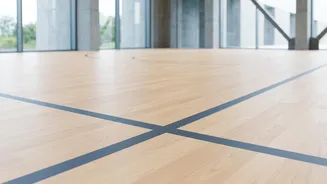
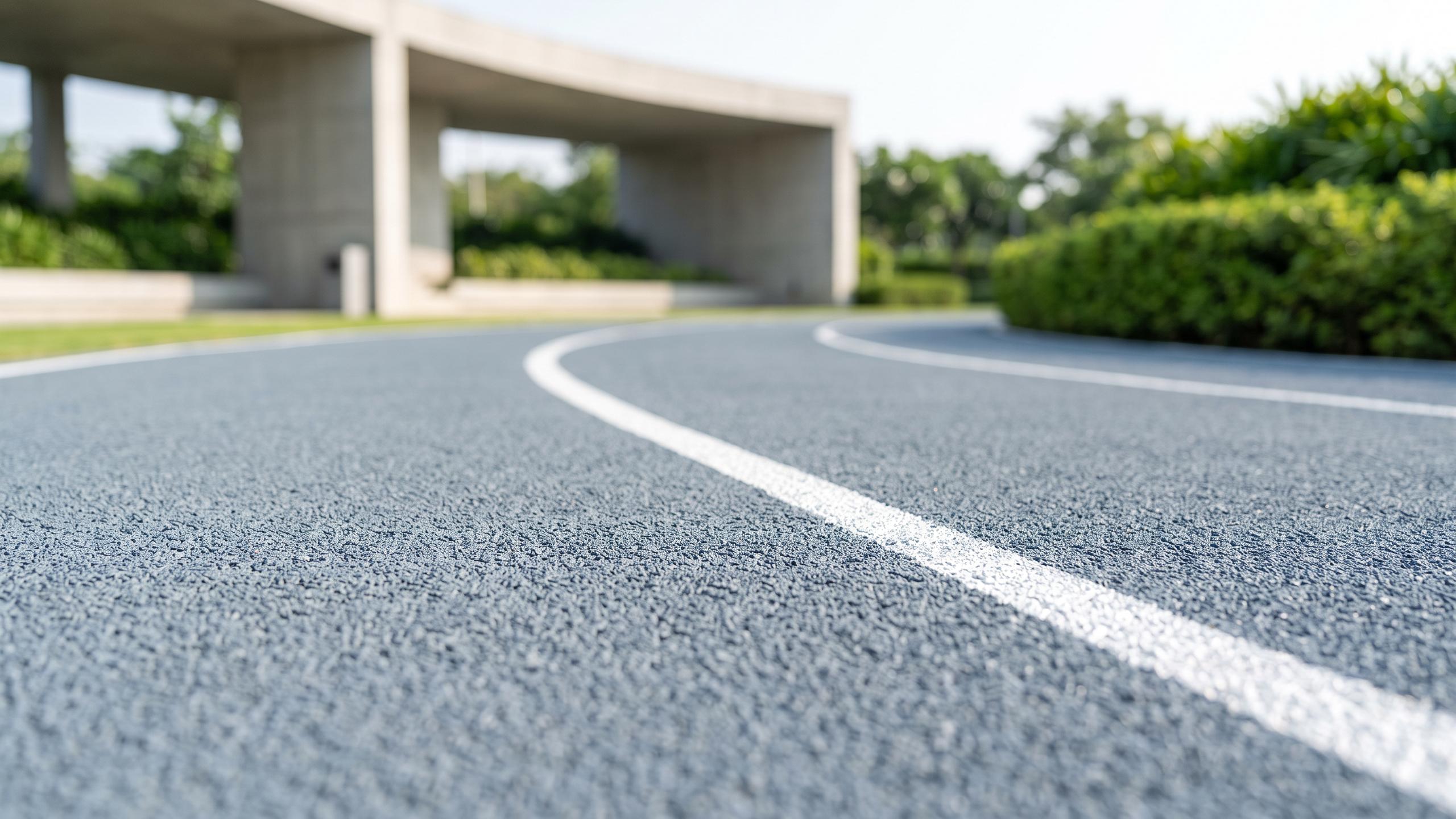
This brings us to the core of practicing retro-walking safely: choosing the right location. An indoor setting, such as a long, clear hallway, is an ideal starting point. Here, the ground is flat and predictable, and you can use the walls for light support if you feel unsteady. A treadmill offers an even more controlled environment, allowing you to hold onto handrails for support and set a slow, steady pace. If you prefer to be outdoors, a quiet running track during off-peak hours is your best bet. The lanes are clearly marked, and the surface is uniform and free from the unexpected obstacles you would find on a pavement or park trail. Avoid crowded areas where you could bump into others. The goal is to find a flat, open, and obstacle-free space where you can focus on your movement without constantly worrying about what's behind you.
How to Start Your Backward Journey
Ready to give it a try? The golden rule is to start slowly and deliberately. Begin with short sessions of just five to ten minutes, a few times a week. Find your safe space—be it a hallway, a treadmill, or a quiet track. Stand tall, pull your shoulders back, and engage your core to maintain an upright posture. Take slow, controlled steps backward. Focus on the feeling of your toes making contact with the ground first, then rolling through your foot. It will feel unnatural at first, so don't rush. If you're on a treadmill, set it to its slowest speed and hold onto the rails until you feel confident. If you're outside, consider going with a partner who can act as a spotter. As your balance and confidence improve, you can gradually increase the duration and speed of your walks.