



Punjab: The Land of Wheat and Dairy
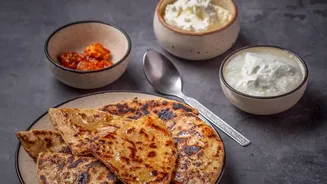
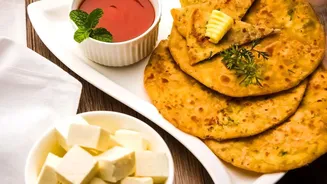
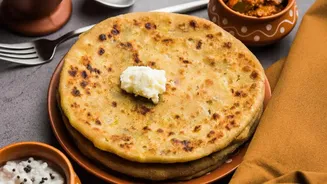
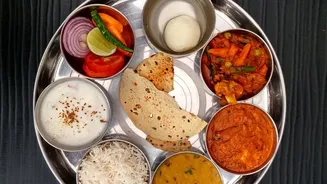
As the breadbasket of India, it's no surprise that Punjab's breakfasts are built on wheat. The most iconic morning meal is the paratha, a whole-wheat flatbread that can be enjoyed plain or stuffed with a variety of fillings. Aloo paratha, filled with spiced
potatoes, is a universal favorite, often cooked in ghee and served with a generous dollop of white butter, fresh curd, or a tangy pickle. This hearty combination provides ample energy for a day of work in the fields. Another beloved, albeit more indulgent, option is Chole Bhature, where fluffy, deep-fried bread is paired with a spicy chickpea curry. The prevalence of dairy, thanks to the state's robust livestock farming, means that a tall glass of lassi, a creamy yogurt-based drink, is the perfect accompaniment to wash it all down.
South India: A Celebration of Rice and Coconut
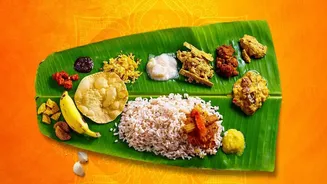
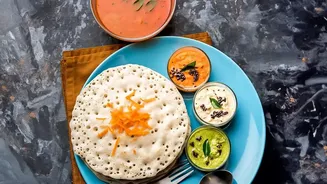
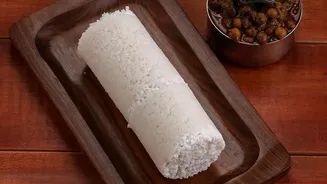
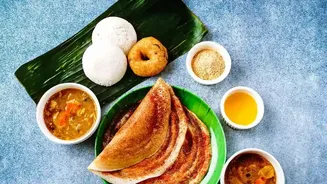
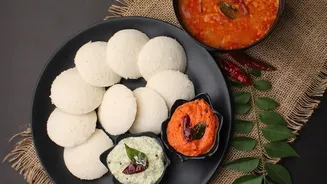
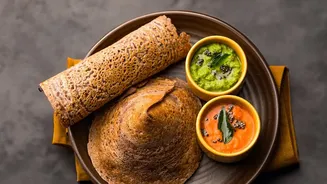
In the southern states of Kerala and Tamil Nadu, the landscape is lush with rice paddies and coconut groves, and breakfast plates reflect this abundance. The foundation of most southern breakfasts is a fermented batter of rice and lentils, which is transformed into an array of steamed and griddled delights. Soft, fluffy idlis (steamed rice cakes) and crisp, golden dosas (thin crepes) are staples served with coconut chutney and sambar, a flavorful lentil-based vegetable stew. In Kerala, you'll also find Puttu, a steamed cylinder of ground rice layered with grated coconut, traditionally served with Kadala Curry (black chickpea curry) or ripe bananas. Another specialty is Idiyappam, or string hoppers, which are delicate nests of steamed rice noodles, often paired with a fragrant vegetable or egg stew made with coconut milk.
The West: Gram Flour and Flattened Rice
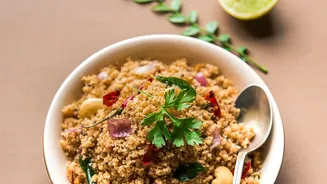
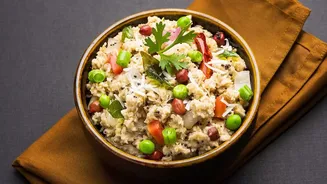
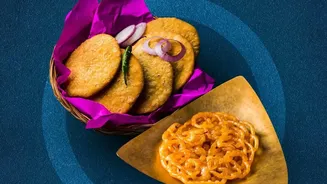
In the western states of Gujarat and Maharashtra, different staples take center stage. Gujarat's cuisine features a prominent use of gram flour (besan). One of its most famous contributions is Khaman Dhokla, a spongy, savory steamed cake made from a fermented batter of gram flour. It's light, nutritious, and often topped with a tempering of mustard seeds and curry leaves. Another Gujarati favorite is the combination of Fafda (crisp, fried chickpea flour strips) and Jalebi (a sweet, syrupy pretzel). Meanwhile, in neighboring Maharashtra, the go-to breakfast is often Poha. This dish is made from flattened rice, which is quickly cooked with onions, potatoes, and spices like turmeric, creating a light yet satisfying meal often garnished with peanuts and fresh coriander.
The East: Puffed Rice and Rich Curries
Heading east to West Bengal and Odisha, the breakfast landscape shifts again. In Bengal, a classic weekend breakfast is Luchi with Aloo Dum. The Luchi are deep-fried, puffed breads made from refined flour, which are light and airy. They are the perfect vehicle for scooping up a spicy, comforting potato curry. For a quicker, no-cook option, many rely on various forms of processed rice. Jolpaan in Assam is a mixture of soaked flattened or puffed rice served with curd and jaggery. In rural Bengal, puffed rice (muri) or flattened rice (chira) is often eaten roasted with simple seasonings. Ghugni, a curry made from dried yellow or white peas, is another popular breakfast dish, often served with luchis or just topped with onions and lemon juice.
The Northeast: Fermentation and Local Grains
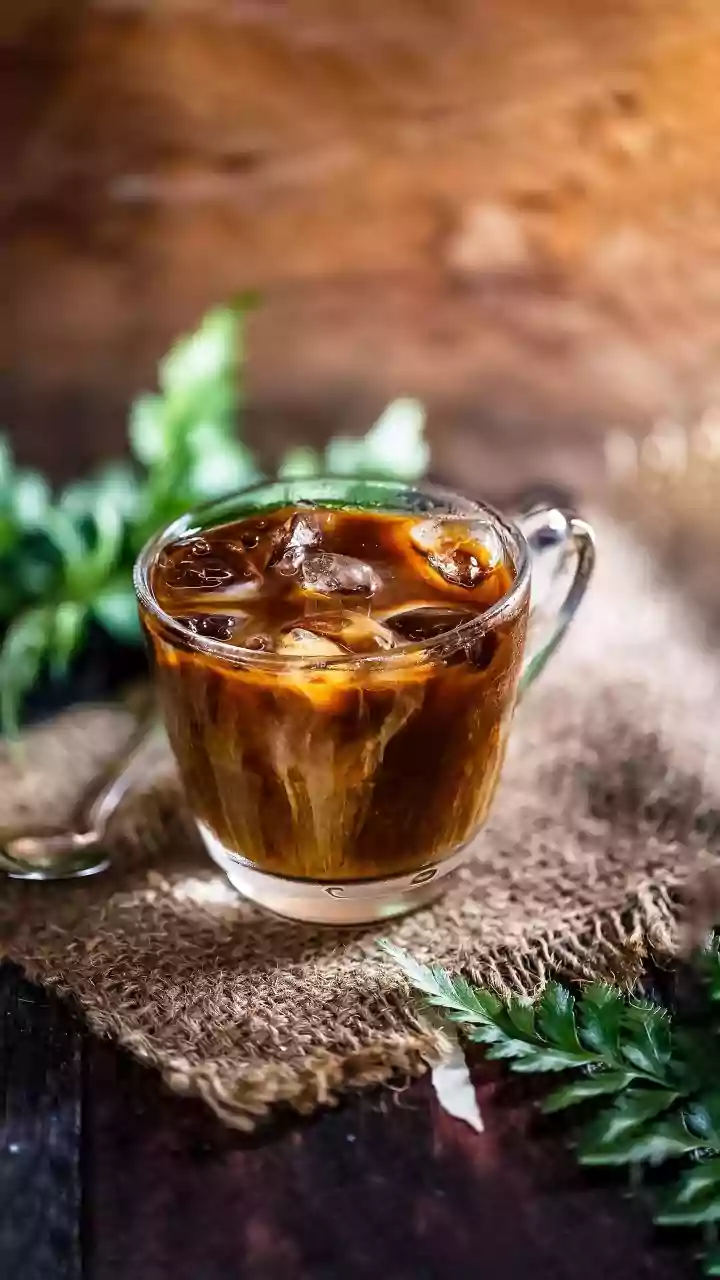
Northeast India, a region of incredible biodiversity and distinct tribal cultures, offers a breakfast experience unlike any other. Here, fermentation is a key culinary technique, and local grains beyond rice and wheat are common. In Nagaland, breakfast might consist of dried pork cooked with fermented soybean chutney (akhuni) or fermented yam leaves. In Manipur, a typical breakfast includes Tan, a flatbread similar to a puri, served with a potato curry called Aloo Kangmet and black tea. Throughout the region, various forms of rice porridge, millet-based slurries, and steamed rice cakes are staples. For instance, Meghalaya offers Putharo, a pancake made from rice flour and jaggery, which is sometimes served with a savory pork curry.