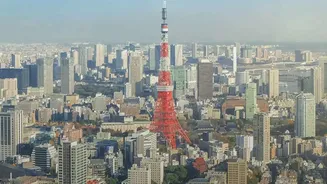





Tokyo: Embrace the Neighbourhoods
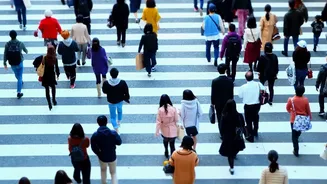
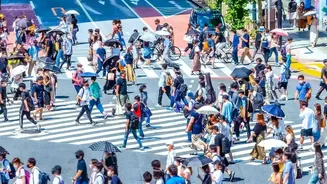
Tokyo is a sprawling metropolis that can feel overwhelming. While the impulse is to head straight for the famous Shibuya Crossing or the sensory overload of Shinjuku, the real magic often lies in the city’s quieter pockets. Instead of queuing for hours
at a trending restaurant, dive into a local ‘shotengai’ (traditional shopping street) like Yanaka Ginza or Sunamachi Ginza. These covered arcades are packed with small, family-run stalls offering delicious snacks and authentic meals without the tourist markup. For transport, get a Suica or Pasmo IC card on your phone. This allows for seamless tapping on and off trains and buses, and you can even use it at convenience stores and vending machines, saving you from fumbling for cash.
Kyoto: Master the Art of Timing
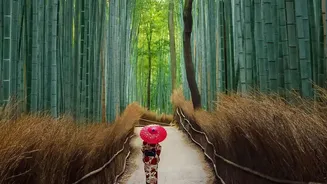
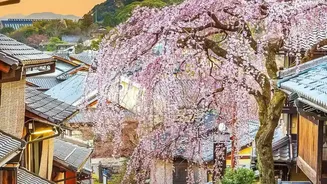
Home to countless temples and shrines, Kyoto is the heart of traditional Japan. This also means it's the epicentre of tourism. To see iconic sites like the Arashiyama Bamboo Grove or the thousands of vermilion gates at Fushimi Inari Shrine, timing is everything. The best strategy is to go at dawn. You’ll experience the tranquil, almost spiritual atmosphere these places are meant to have before the tour buses arrive. Another tip is to explore beyond the main path. At Fushimi Inari, the crowds thin dramatically the further you hike up the mountain. For a peaceful glimpse of geisha culture in Gion, wander the streets in the early morning rather than the crowded early evening.
Osaka: Eat Like a Local
Known as Japan's Kitchen, Osaka is a paradise for food lovers. The neon-lit district of Dotonbori is a must-see, but it can be a tourist trap for dining. For a more authentic and affordable culinary adventure, head to the nearby Tenma district. It's a favourite among locals for its dense concentration of izakayas (Japanese pubs) and tiny eateries. Also, consider using the Japanese food review app Tabelog to find hidden gems favoured by residents. While exploring, take advantage of Japan's longest covered shopping arcade, Tenjinbashi-suji, which offers a slice of local life away from the main tourist drag. This is where you can find great food and quirky shops without the Dotonbori crowds.
Hakone: See Mount Fuji Clearly
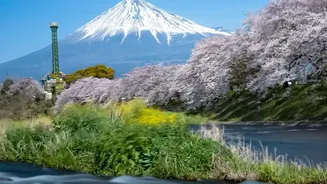
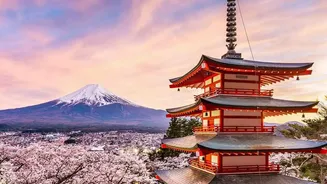
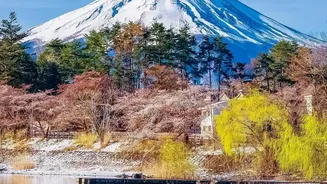
A popular day trip from Tokyo, Hakone offers hot springs, art museums, and the chance for breathtaking views of Mount Fuji. However, the iconic volcano is famously shy and often shrouded in clouds, especially after mid-morning. To maximise your chances of a clear view, stay overnight. An evening in a traditional ‘ryokan’ (Japanese inn) not only allows for an early start but also lets you experience the area's serene beauty after the day-trippers have departed. The Hakone Ropeway and the shores of Lake Ashi are prime viewing spots, but your best bet is to check the live webcams for cloud cover before you head out for the day. This simple check can save you from a disappointing, viewless journey.
Hiroshima & Miyajima: A Thoughtful Visit
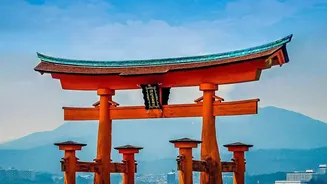
A visit to Hiroshima is a poignant and powerful experience. To fully absorb the atmosphere of the Peace Memorial Park and Museum, plan your visit for early in the morning on a weekday. This helps you avoid the largest crowds and the frequent arrival of school tour groups. Afterwards, most visitors head to the nearby island of Miyajima to see the famous 'floating' torii gate. The island is extremely busy during the day. For a more magical experience, catch a later ferry and stay until early evening. As the day-trip crowds leave, a sense of peace descends on the island, and you can enjoy the illuminated shrine and its iconic gate in relative quiet before catching one of the last ferries back.