


Bhoger Khichuri: The Divine Offering
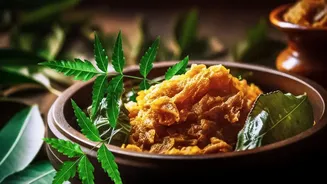
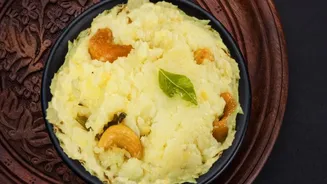
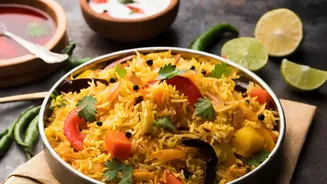
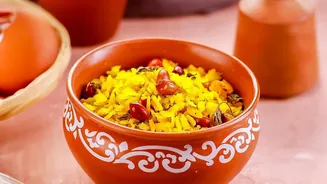
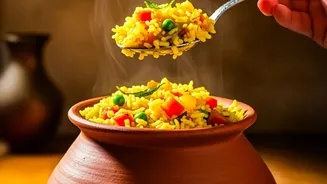
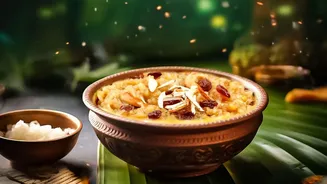
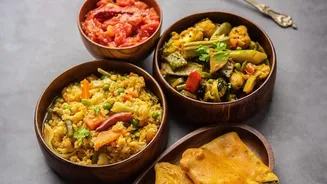
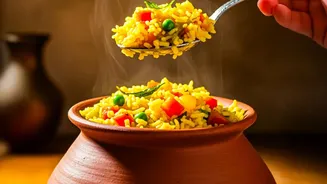
No Durga Puja experience is complete without Bhoger Khichuri. This isn't just any khichuri; it's a sacred offering, or 'bhog', prepared for the goddess before being distributed to devotees. Made with roasted moong dal and aromatic Gobindobhog rice, this
sattvik dish is cooked without any onion or garlic. Its distinct, soulful flavour comes from a blend of ginger, green chillies, and a medley of vegetables like cauliflower and peas, all slow-cooked to a soft, comforting consistency. Served in earthen pots at community pandals, especially on Ashtami, this khichuri is more than a meal—it’s a symbol of community and shared blessings. It is often accompanied by labra, a mixed vegetable curry, and a sweet tomato chutney.
Luchi and Alur Dom: The Festive Staple
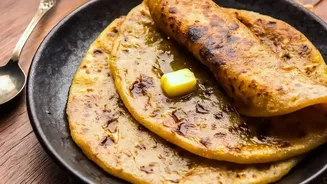
A quintessential Bengali breakfast that becomes a festive staple during Puja, Luchi and Alur Dom is a match made in culinary heaven. Luchis are soft, puffy, deep-fried breads made from refined flour (maida) that are pristine white and incredibly light. They are the perfect vehicle for scooping up Alur Dom, a flavourful and spicy potato curry. The potatoes are often slow-cooked in a rich gravy of onions, tomatoes, ginger, and a host of aromatic spices until they are tender and have absorbed all the flavours. This combination is a popular choice for a special breakfast or a satisfying evening snack after a long day of pandal hopping.
Kosha Mangsho: A Celebration on a Plate
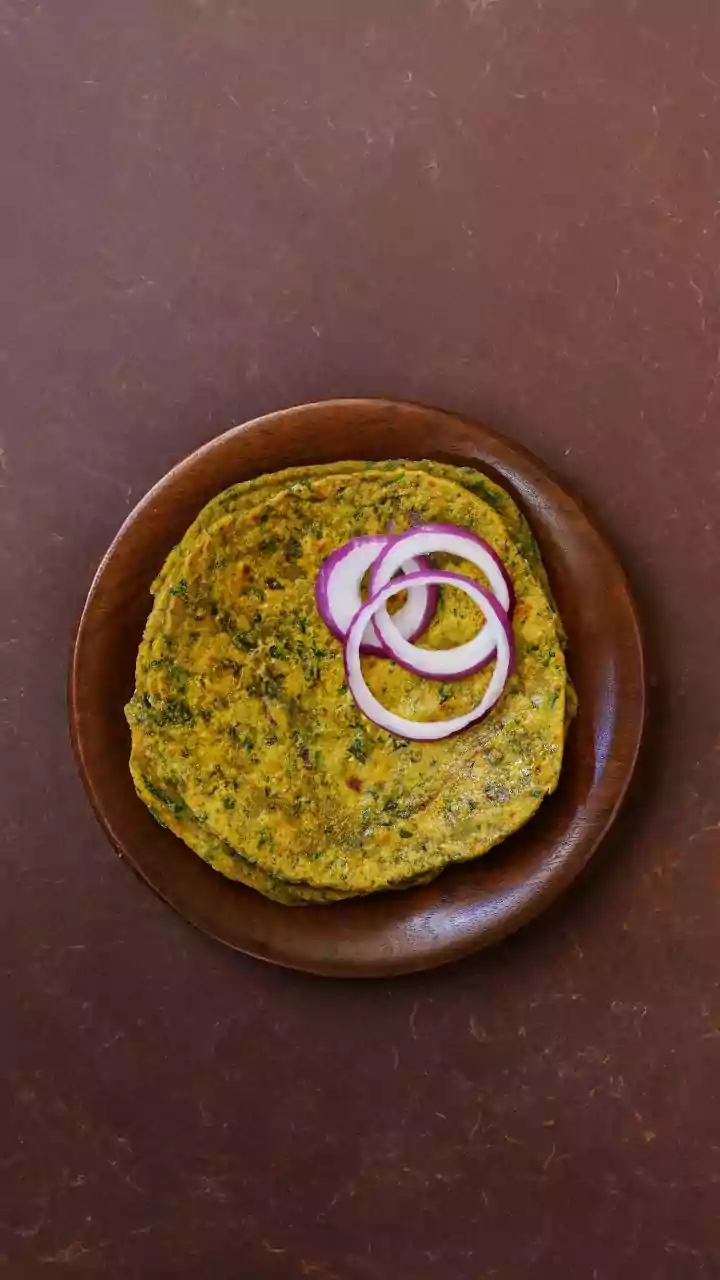
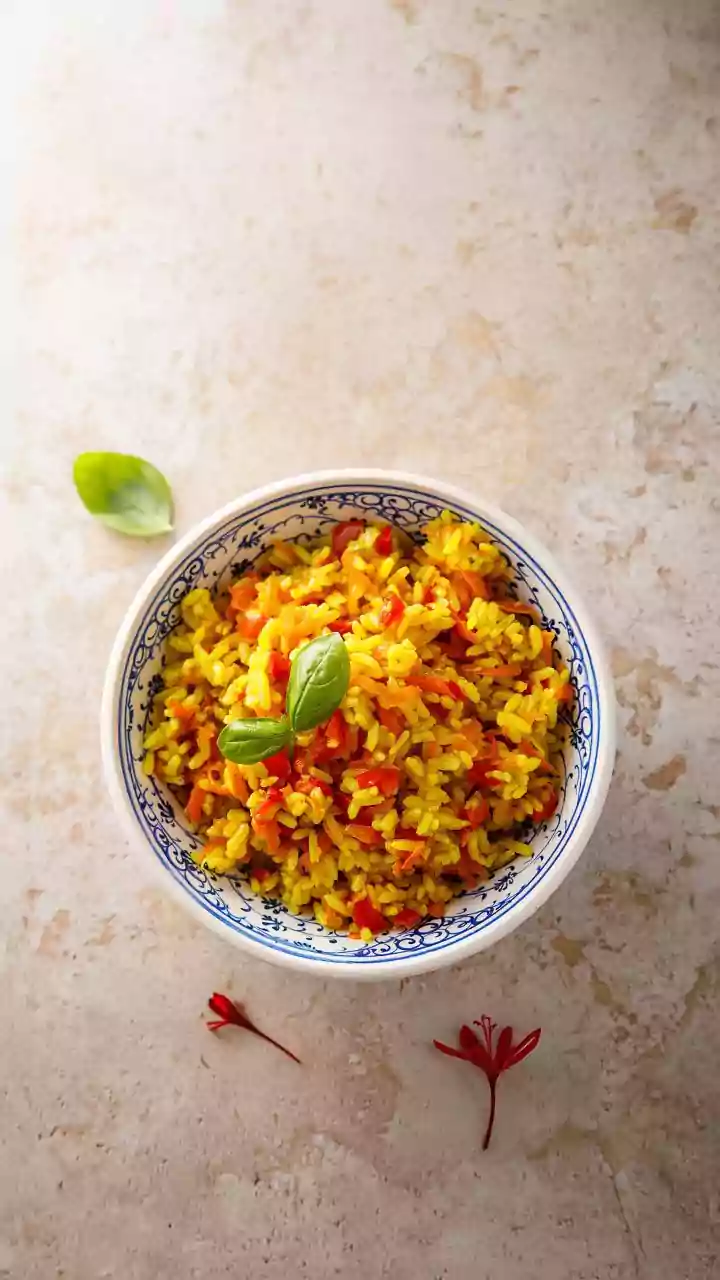
For the non-vegetarian feast, Kosha Mangsho is the undisputed star. 'Kosha' refers to the slow-cooking process where mutton pieces are braised patiently with a potent mix of spices, onions, garlic, and yogurt until the meat is fall-off-the-bone tender. This method results in a thick, dark, and intensely flavourful gravy that clings to the meat. While Bhog remains strictly vegetarian, Kosha Mangsho finds its place in family feasts and celebratory lunches during the Puja days. It represents indulgence and the spirit of Bangaliyana—the joy of sharing a hearty, luxurious meal with loved ones. This iconic dish is typically served with luchis, parathas, or a fragrant pulao.
Ilish Macher Paturi: The Coveted Delicacy
Durga Puja is also a time to savour Bengal's most prized fish, the Hilsa or Ilish. Ilish Macher Paturi is a classic preparation that showcases the fish in all its glory. In this dish, fillets of Hilsa are marinated in a pungent paste of mustard seeds, green chillies, and sometimes coconut and poppy seeds. Each piece is then wrapped in a banana or pumpkin leaf, tied with a string, and gently steamed or pan-roasted. This cooking method allows the fish to cook in its own juices while infusing it with the earthy aroma of the leaf and the sharp, tangy flavour of the mustard. It's a delicate, flavourful, and utterly delicious dish served best with a plate of simple steamed rice.
Mishti: Sweet Endings for Bijoya
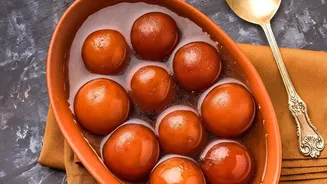
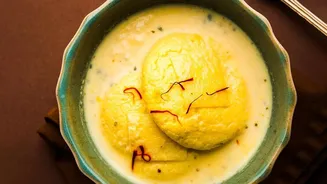
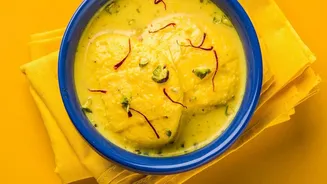
The culmination of Durga Puja is marked by Bijoya Dashami, a day of victory and heartfelt exchanges. Central to this is 'mishtimukh'—the tradition of sharing sweets. No Bijoya is complete without iconic Bengali sweets like Sandesh and Rosogolla. Sandesh is a delicate sweet made from fresh cottage cheese (chhena), often moulded into beautiful shapes and subtly flavoured with cardamom or saffron. Rosogolla, the spongy white spheres soaked in light sugar syrup, is another essential offering. These sweets are not just desserts; they are symbols of goodwill, affection, and the sweet hope of the goddess's return next year.