



Meet the Solar Sentinels
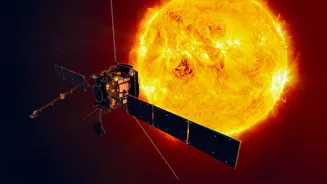
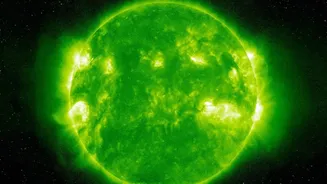
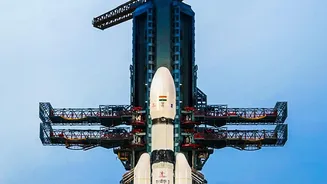
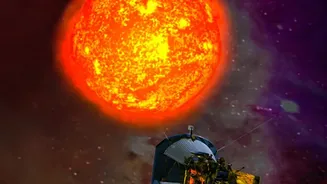
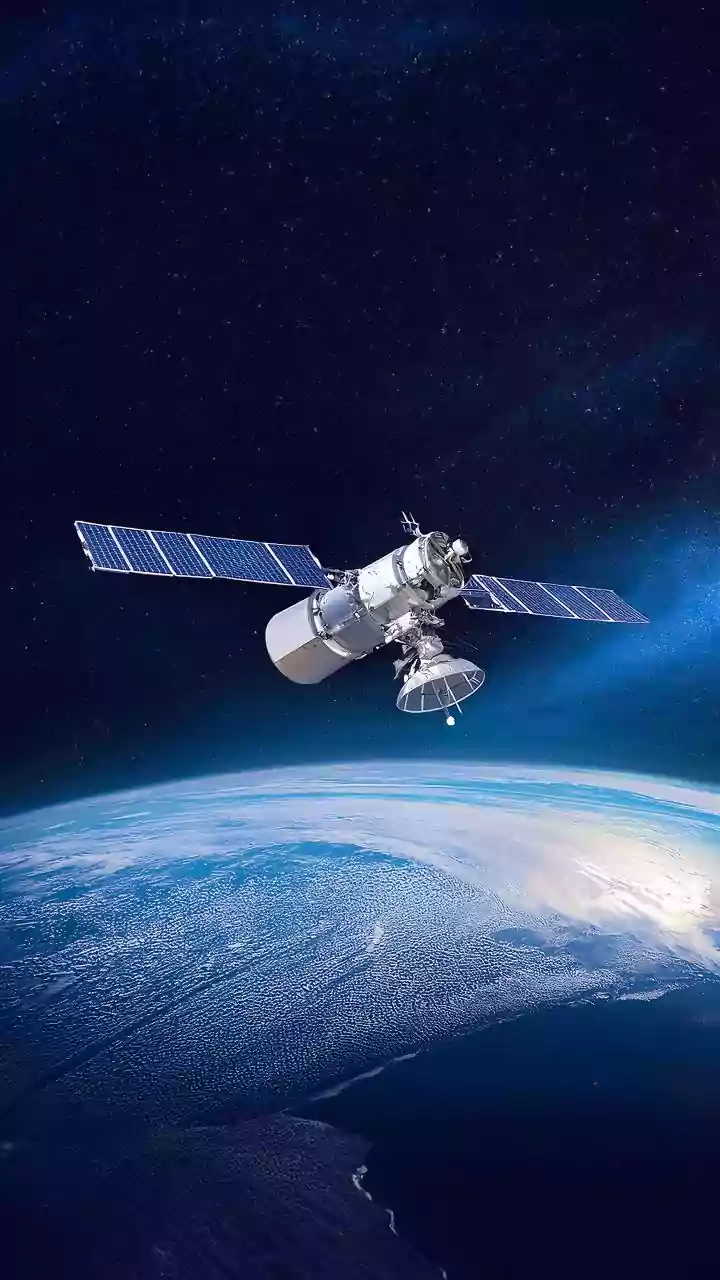
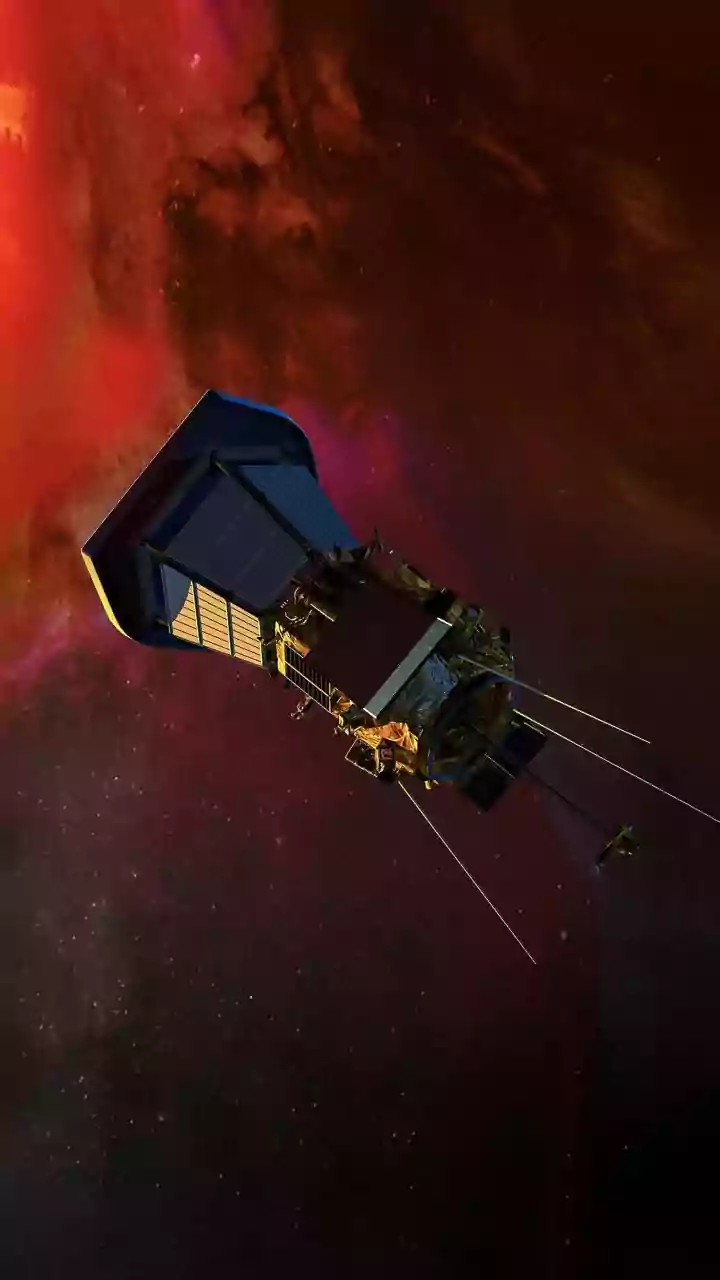
This groundbreaking analysis was made possible by two distinct but complementary missions. Aditya-L1 is India's first-ever dedicated solar observatory, a national triumph launched in September 2023. It is strategically positioned at the Sun-Earth Lagrange
point 1 (L1), about 1.5 million kilometres from Earth, which gives it an uninterrupted view of the Sun. Its Visible Emission Line Coronagraph (VELC) payload, developed by the Indian Institute of Astrophysics (IIA), is designed to study the solar corona, the Sun’s mysterious outer atmosphere. Its European partner, Proba-3, is a pioneering mission from the European Space Agency (ESA) that was also launched by an ISRO PSLV rocket in December 2024. Proba-3 consists of two satellites flying in perfect formation, about 150 metres apart, to create an artificial solar eclipse. This allows its primary instrument to block the Sun's blinding glare and capture incredibly detailed images of the inner corona, a region notoriously difficult to observe.
A Partnership Forged in Science
The collaboration is a perfect example of scientific synergy. While Aditya-L1’s VELC uses spectroscopy to measure properties of the coronal gas like its temperature and density, Proba-3’s instrument, ASPIICS, captures sharp images of eruptions, revealing their shape, mass, and speed. By combining these two different types of data from the same event, scientists can build a much more complete and cross-checked picture than either mission could achieve alone. This first joint study, led by researchers at Bengaluru's Indian Institute of Astrophysics, focused on two Coronal Mass Ejections (CMEs) that occurred on September 14 and 16, 2025. The analysis, published in the journal 'Astronomy & Astrophysics', marks a major milestone for both space agencies.
Decoding the Sun's Fury
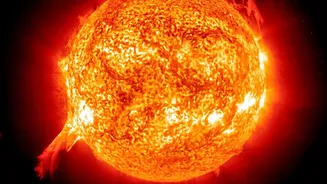
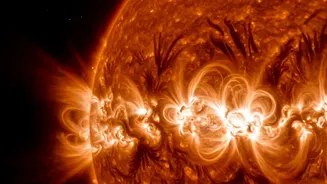
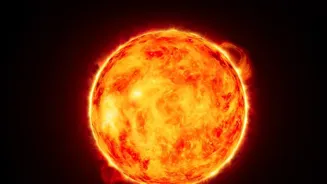
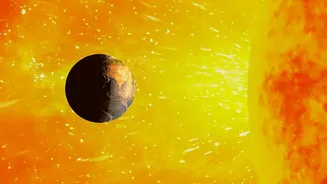
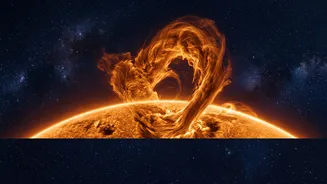
Coronal Mass Ejections are colossal eruptions of plasma and magnetic fields from the Sun. When aimed at Earth, they can wreak havoc, triggering geomagnetic storms that disrupt satellite operations, communications, power grids, and GPS navigation. Understanding their initial moments is critical for predicting their trajectory and impact. Previously, observing the birth of CMEs in the inner corona was a major challenge. This new joint analysis has provided a breakthrough. The team was able to measure the mass, density, and energy of the two CMEs with remarkable accuracy. They found the September 14 CME was fast, travelling at about 645 km/s, while the September 16 event was a much slower 145 km/s. Interestingly, the energy was distributed differently in each event; in the first, thermal energy was only about 1% of its total energy, but in the second, the thermal energy grew to match the kinetic (or movement) energy. This kind of detailed insight into the energy budget of a CME so early in its life was previously unavailable.
Why This Matters for India and the World
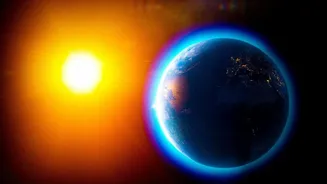
This achievement is more than just a scientific curiosity; it has profound real-world implications. Improved understanding of CME evolution is a crucial step toward better 'space weather' forecasting. Just as we predict hurricanes on Earth, accurately forecasting solar storms can give operators time to protect vulnerable infrastructure, from satellites in orbit to power grids on the ground. For India, this collaboration underscores the nation’s rising stature as a major space power. Not only did ISRO launch its own advanced solar observatory, but it also served as the launch provider for the European mission it now collaborates with. The success of this joint analysis demonstrates the world-class capability of Indian scientists and instruments like VELC, placing India at the forefront of global solar research. The data and findings will support international research for years to come.