




More Than a Condiment
To call a chutney a mere side dish is to miss the point entirely. In the context of an Indian breakfast, particularly on the bustling streets, chutney is a critical component that completes the dish. It’s the sharp, fresh, or tangy counterpoint to a plate
of hot, savoury food. A well-made chutney doesn’t just add flavour; it balances it. It can cut through the richness of a fried vada, lend moisture to a soft idli, and provide a cooling sensation against a spicy filling. This culinary wisdom, passed down through generations, understands that a meal's success lies in its harmony of tastes and textures. The chutney is the conductor of this breakfast orchestra, ensuring every element plays its part perfectly.
The Southern Trio: Coconut, Tomato, and Mint
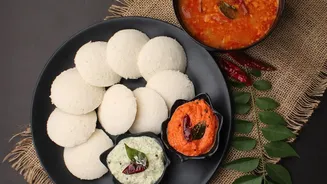
In South India, breakfast is often a ritual accompanied by a trio of colourful chutneys. The most iconic is the white coconut chutney, a creamy and mildly spiced condiment made from freshly grated coconut, roasted gram dal, and green chillies, finished with a tempering of mustard seeds and curry leaves. It is the quintessential partner for idli and dosa. Alongside it, a vibrant red chutney, made from tomatoes and onions, offers a tangy and slightly sweet flavour profile. The green chutney, typically a blend of mint (pudina) and coriander, provides a sharp, herbaceous freshness that cleanses the palate. This colourful trio isn't just for aesthetics; it offers a spectrum of flavours for the diner to mix and match with every bite, making each one a new experience.
The Dry Punch of the West
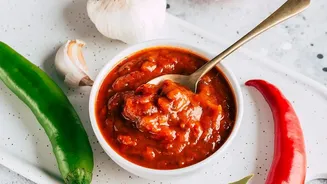
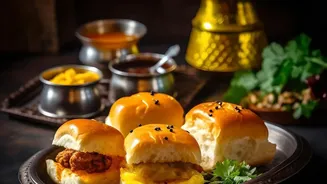
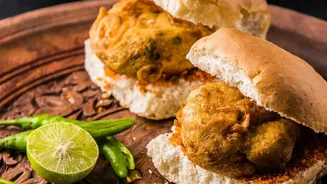
Travel to Maharashtra, and the chutney story takes a different form. Here, with the iconic Vada Pav, you’ll find a fiery, dry garlic chutney known as lasun chutney. Made from garlic, desiccated coconut, peanuts, and a generous amount of red chilli powder, this coarse powder is a stroke of street-food genius. Its dry nature makes it easy to sprinkle into the pav without making it soggy, a crucial consideration for a handheld snack designed for people on the move. It delivers an intense, pungent heat and nutty flavour that elevates the humble potato vada into something truly memorable. This chutney is a testament to the practicality and ingenuity that defines Indian street food culture.
The Sweet and Sour North
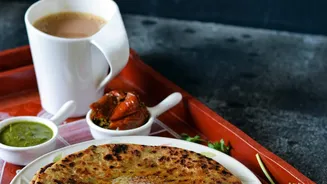
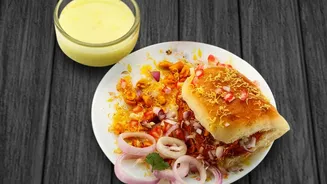
In North India, where breakfast might consist of samosas, kachoris, or chole bhature, the chutney profiles lean towards sweet, sour, and tangy. The dark, glossy tamarind chutney (imli chutney) is a staple, balancing the sweetness of jaggery with the sourness of tamarind pulp and a blend of warming spices. It provides a perfect sweet-and-sour contrast to savoury, fried snacks. Its partner in crime is often a fresh and zesty pudina (mint) chutney, which delivers a cooling burst of flavour that cuts through the richness of the food. Together, they create the foundational flavour profile of chaat, which often finds its way into the breakfast landscape, proving that in India, the lines between breakfast and all-day snacking are deliciously blurred.
A Spoonful of Culture
Ultimately, these breakfast chutneys are more than just recipes; they are cultural artefacts. They tell a story of regional produce, from the coconuts of the coastal south to the hardy peanuts and garlic of the west. They reflect the pace of life—fast, efficient, and flavourful—in India's bustling cities. A vendor serving a chutney made from a family recipe passed down through generations is sharing a piece of their heritage. The shared experience of dipping a hot snack into a communal bowl of chutney fosters a sense of community. It’s a sensory experience that connects millions of people every morning, a reminder that even the smallest details of a meal can hold the greatest significance.