





The Science of the Lean
The tendency for plants to grow toward a light source is a natural phenomenon called phototropism. This happens because a growth hormone called auxin accumulates on the shadier side of the stem. These auxins cause the cells on the darker side to grow longer
and faster, which makes the entire plant bend and stretch towards the light. While this is a brilliant survival strategy in nature, indoors it results in plants that look unbalanced, with more leaves and density on one side.
More Than Just Good Looks
Rotating your plants does more than just create a visually pleasing, symmetrical shape. By ensuring all sides get equal light, you promote stronger, sturdier stems all around. This balanced growth contributes to the plant's overall vigour and health. Furthermore, even light exposure can stimulate new shoots and leaves on previously shaded parts, leading to a fuller, more luscious plant. Regular turning also improves air circulation around the foliage and allows for more consistent moisture levels in the soil, preventing one side from drying out faster than the other.
The Art of the Quarter Turn
So, how often should you be turning your plants? A good rule of thumb is to give your pot a quarter turn (90 degrees) every time you water it. This simple habit is easy to remember and provides consistent results. For most plants, a weekly or bi-weekly rotation is sufficient. This gradual adjustment ensures each side of the plant gets its share of the sun over the course of a month, encouraging it to grow straight and strong. If you have a plant that is already severely leaning, you can turn it 180 degrees to face the darker side toward the light, which will help it straighten out over time.
Know When Not to Turn
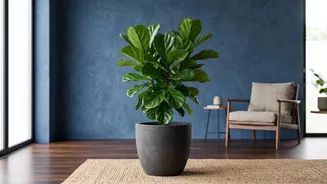
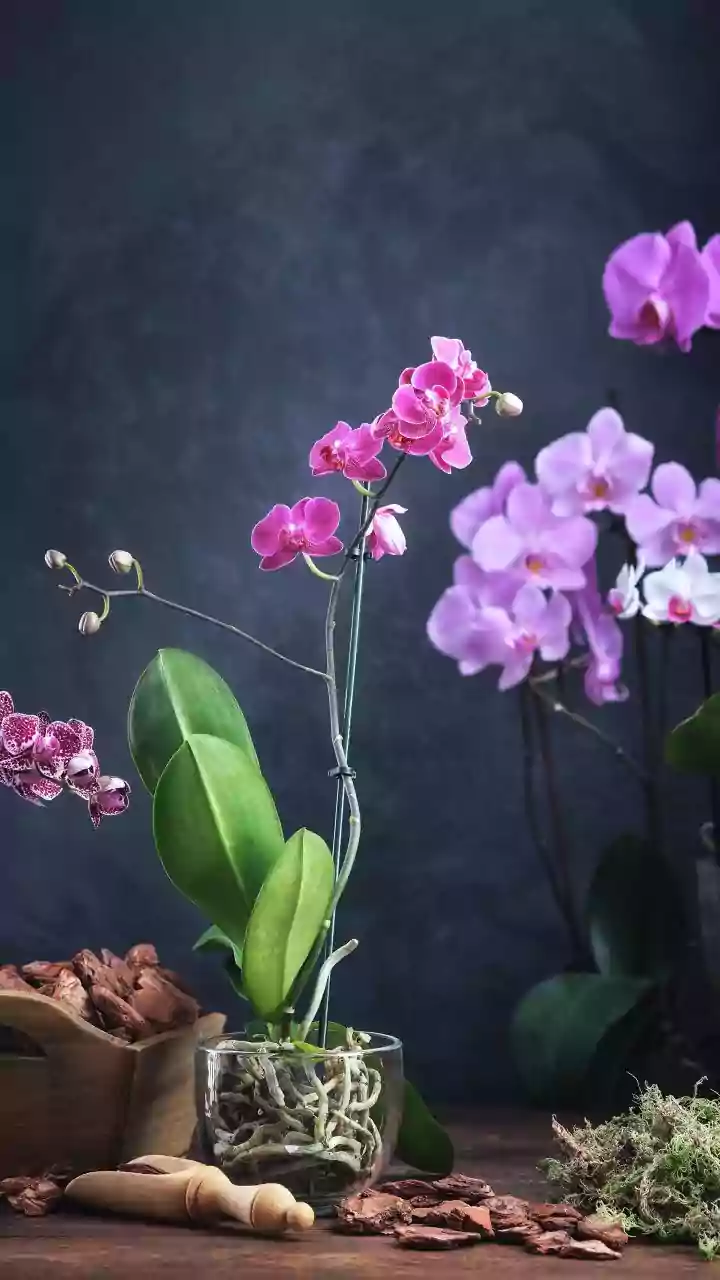
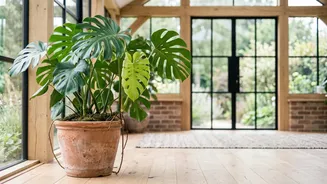
While most houseplants benefit from rotation, there are a few exceptions. Some plants, like the notoriously particular Fiddle Leaf Fig, can be sensitive to changes in their environment and may react poorly to frequent turning. Vining or climbing plants like Monstera and certain Philodendrons often develop a 'front' and 'back', and rotating them can disrupt their natural growth pattern, especially if they are attached to a support like a moss pole. Additionally, it's best to avoid rotating flowering plants like orchids or Christmas Cacti once they have set buds, as the change in light orientation can cause the buds to drop before they bloom.
A Simple Habit for a Thriving Garden
Incorporating plant rotation into your care routine is one of the easiest and most effective ways to ensure your indoor garden thrives. It costs nothing and takes only a few seconds. The act of turning your plants also gives you a regular opportunity to inspect them up close for any pests, dust on the leaves, or signs of distress, allowing you to catch potential problems early. Plants that are placed under a grow light that provides even, overhead coverage do not need to be rotated, but if the light source is off to one side, the same principles apply as with a window. It’s a small effort that pays huge dividends in the health and beauty of your green companions.