







A Game-Changing Tax Overhaul
The primary catalyst for this revival is the GST 2.0 reform, which took effect on September 22, 2025. This overhaul significantly altered the tax structure for vehicles in India. For small cars—defined as those under 4 meters in length with petrol engines
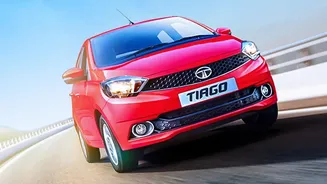
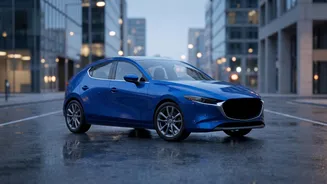
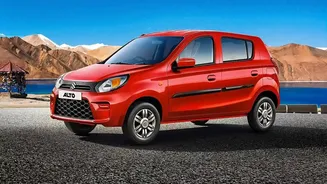
up to 1200cc or diesel engines up to 1500cc—the Goods and Services Tax (GST) was reduced from a hefty 28% plus a variable cess to a much simpler and lower flat rate of 18%. This substantial tax drop directly translated into lower ex-showroom prices, making entry-level cars more affordable for a much wider audience. For instance, the tax burden on some models fell by over 10 percentage points, a significant saving that has revitalized a segment that was previously under pressure.
The Proof Is in the Sales Numbers
The impact of the GST cut was immediate and profound. Maruti Suzuki, a dominant player in the small car space, reported that its sales in the entry-level segment surged by a staggering 96% between April and August 2026. Overall, vehicles falling under the new 18% GST slab saw a 29% rise in sales during the same period. This jump is not just a statistical blip; it represents the return of a key demographic. First-time buyers, who had been priced out of the market by rising costs, are making a comeback. At Maruti Suzuki, their contribution to sales jumped to 54% between April and August, up from 42% in the previous year. This is the most significant increase in first-time buyer share since the pandemic, signaling a broadening of the entire car market.
More Than Just Maruti
While Maruti Suzuki's figures are dramatic, the trend is industry-wide. Other major manufacturers like Tata Motors and Mahindra & Mahindra have also reported a healthy increase in first-time buyers. Tata Motors noted a 6-7% rise in this customer segment over the past year. Even as the craze for Sport Utility Vehicles (SUVs) continues, the revival at the entry-level is crucial. Data shows the market share of entry-level hatchbacks rose from 2.3% before the GST cut to 3.3% in the first five months of the current fiscal year. This suggests that improved affordability is not just pulling sales forward, but genuinely expanding the market by bringing in new customers who are often upgrading from two-wheelers.
Rural India Drives the Growth Engine
A significant portion of this renewed demand is coming from beyond the big cities. Rural and semi-urban markets are outpacing urban centers in growth, a trend directly linked to improved affordability. According to the Federation of Automobile Dealers Associations (FADA), the post-GST cut recovery has been largely led by a 'Bharat-led' surge in sales. Better rural incomes, combined with the lower cost of entry-level cars, have brought showrooms within reach for a new class of consumers. This geographic rebalancing is a healthy sign for the industry, indicating that the move toward mass motorization is gaining fresh momentum across the country.
The Road Ahead for Buyers and Brands
The success of the GST reduction is a powerful demonstration of how pricing and affordability are key drivers of the Indian auto market. Industry leaders have called the reform 'transformative,' creating a virtuous cycle of demand, investment, and economic activity. For consumers, the current environment presents a favorable window for purchasing a first car. For automakers, the challenge will be to sustain this momentum. With the festive season approaching, companies are optimistic about continued strong sales. This revival in the small car segment, driven by a smart policy change, shows that the dream of car ownership for millions of Indians is very much alive and well.