
The Mighty Millets' Grand Return
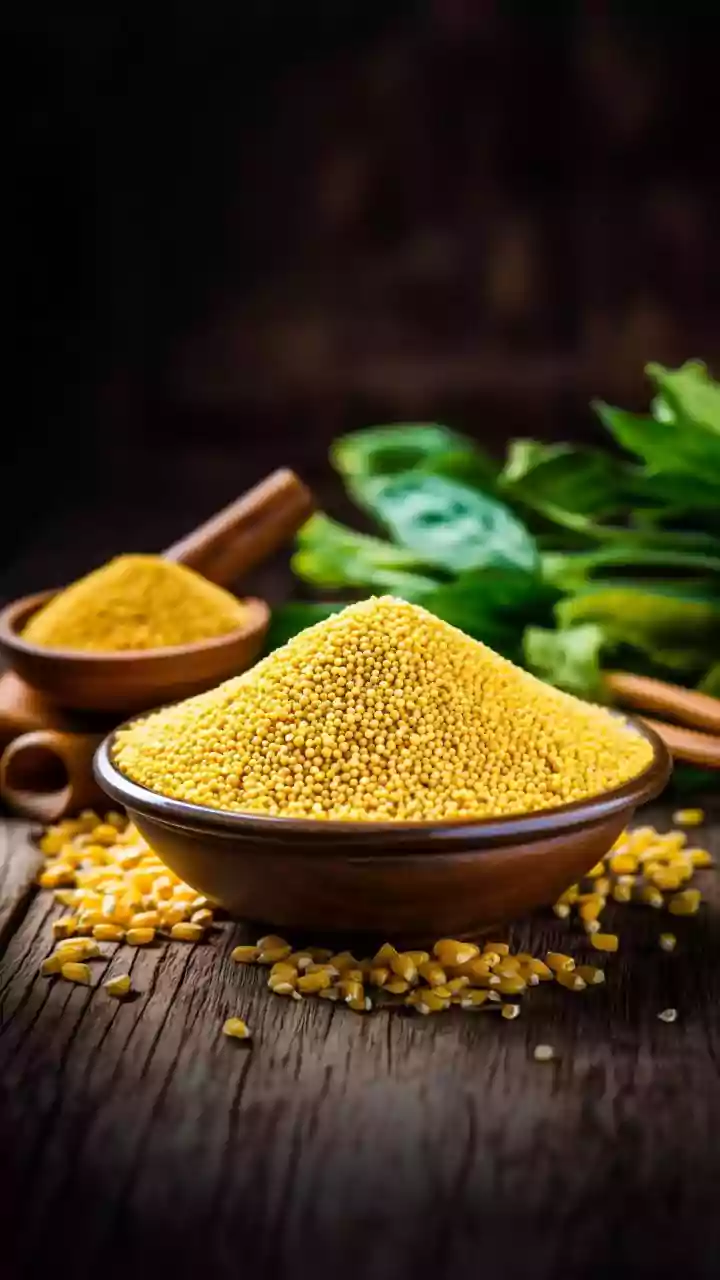
For generations, millets like jowar (sorghum), bajra (pearl millet), and ragi (finger millet) were the backbone of the Indian diet. Often dismissed in recent decades as 'poor man's food' in favour of refined wheat and rice, these hardy grains are now
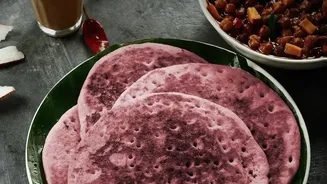
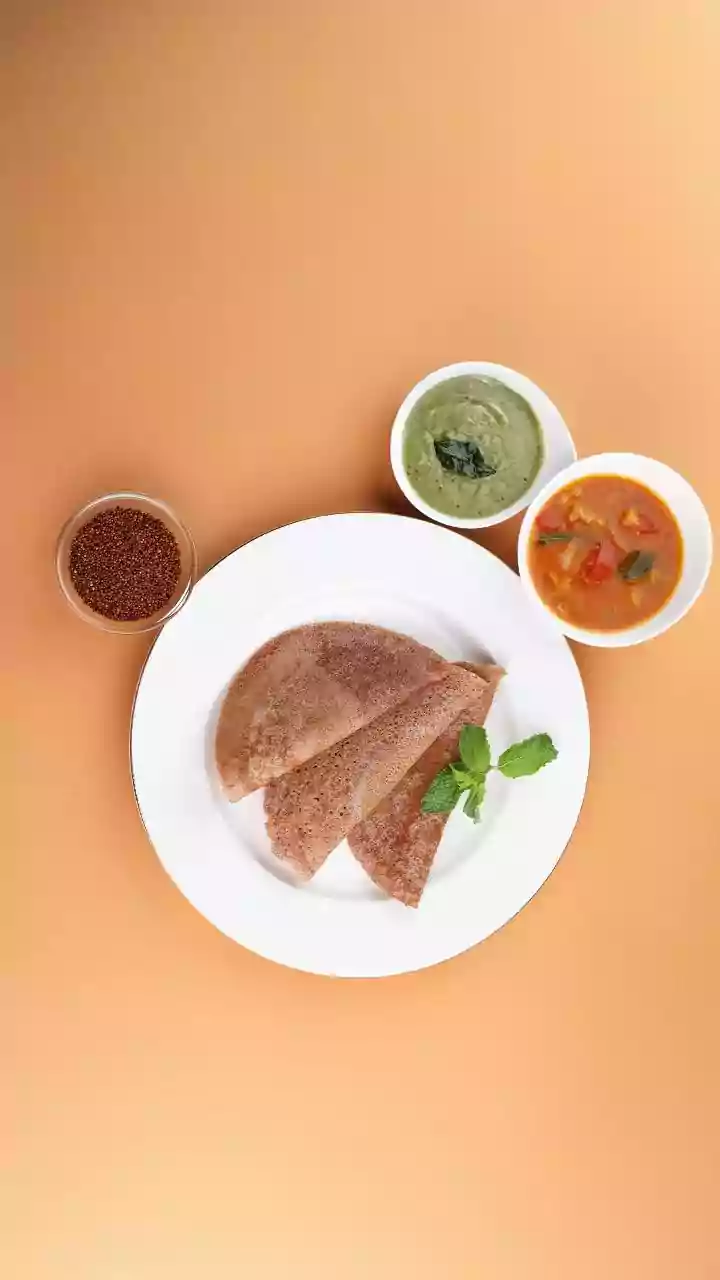
being celebrated for their incredible nutritional profile and climate resilience. Rich in fibre, protein, and essential minerals, millets are naturally gluten-free and help in managing blood sugar levels. Today, they are shedding their rustic image and appearing in gourmet menus and modern kitchens. You can find them in everything from fluffy ragi pancakes and dosas for breakfast to hearty jowar upma and multigrain millet bowls for lunch, proving that healthy can be incredibly versatile and delicious.
Amaranth, The Royal Grain
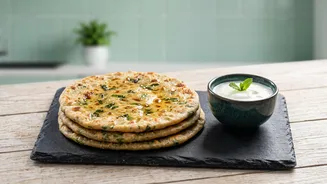
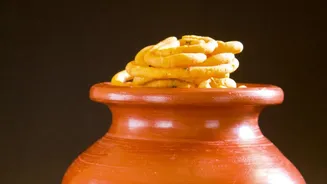
Amaranth, or rajgira, has long been associated with fasting foods in India. But this tiny, powerhouse seed is now breaking free from its occasional-use status and entering the mainstream as a daily superfood. Packed with complete protein, iron, and calcium, amaranth is a versatile ingredient that adds a nutritional punch to any meal. Traditionally used in ladoos and chikkis, its flour is now being used to make gluten-free parathas, puris, and even savoury tikkis. Health-conscious snackers are also embracing popped amaranth in energy bars and breakfast cereals, appreciating its nutty flavour and impressive health credentials that were revered for centuries.
Moringa, The Backyard Miracle
The humble drumstick tree, or moringa, is finally getting the recognition it deserves as a 'miracle tree'. While its pods are a beloved ingredient in sambar and other curries, it's the leaves that are now being hailed as a superfood. Moringa leaves are packed with more Vitamin C than oranges and more potassium than bananas. They are a powerhouse of protein, iron, and antioxidants. Previously used mainly in regional dishes, moringa powder is now being added to smoothies, soups, and even baked goods for an energising boost. Chefs and home cooks are rediscovering its potential, incorporating fresh leaves into dals, stir-fries, and even thalipeeth, making it easier than ever to benefit from this nutritional giant.
Jackfruit, The Versatile Wonder
Jackfruit, or kathal, has been a staple in Indian households for centuries, but its modern identity is something entirely new. Unripe jackfruit has a unique, meat-like texture that has made it a global sensation as a plant-based meat substitute. High in protein and fibre, it’s a healthy and sustainable alternative that soaks up flavours beautifully. Traditionally used in sabzis and pickles, raw jackfruit is now the star ingredient in vegan pulled-pork sandwiches, tacos, and curries. Even its seeds, which are often discarded, are being recognised as a nutritious food, rich in protein and antioxidants.
Ghee, The Golden Elixir
After years of being sidelined due to fears about fat, ghee is back in the spotlight, and rightly so. This traditional clarified butter is now celebrated for its health benefits, including being a source of healthy fats and having a high smoke point, which makes it ideal for Indian cooking. The return to tradition sees a renewed appreciation for pure, bilona-prepared ghee, which has a distinct nutty aroma. Beyond just being a cooking medium, ghee is being used as a finishing touch—drizzled over hot dals, spread on rotis, or stirred into rice—to enhance flavour and add a dose of nourishment, just as our grandmothers always insisted.