



The Real Culprit: An Unbalanced Plate
The single biggest mistake that leads to post-meal hunger is eating a meal that is heavily skewed towards carbohydrates, without enough protein, healthy fats, and fibre. It's an easy trap to fall into. A plate of vegetable biryani, a bowl of pasta with a simple
tomato sauce, or even a large salad without substantial toppings can all seem healthy. While these meals provide energy, they are digested relatively quickly, causing a spike in blood sugar followed by a crash that triggers hunger signals all over again. Many traditional Indian meals can be carbohydrate-centric, with rice and roti taking center stage, making this an especially common issue. The feeling of being unsatisfied isn't in your head; it's your body sending a clear message that key nutrients were missing.
The Science of Staying Full
Satiety, the feeling of fullness and satisfaction after a meal, is governed by how your body digests macronutrients. Protein, fat, and fibre are the three keys to unlocking lasting fullness. Protein is widely considered the most satiating macronutrient; it not only takes longer to digest but also influences hormones that signal fullness to your brain. Fibre, found in vegetables, whole grains, and legumes, adds bulk to your meal and slows down digestion, helping to stabilise blood sugar levels. Healthy fats also play a crucial role by slowing down the emptying of your stomach, contributing to a longer-lasting feeling of satisfaction. When a meal lacks this trio, it's processed too quickly, leaving you looking for your next bite much sooner than you should.
Power Up with Plant-Based Protein
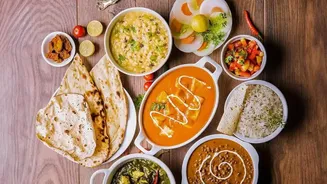
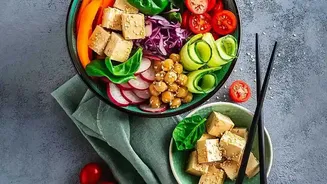
For many vegetarians, inadequate protein is the primary missing piece. It’s not that protein is hard to find in a vegetarian diet, but it requires a conscious effort to include it in sufficient quantities at every meal. A typical serving of dal, for example, might only provide 5-8 grams of protein. To feel truly satisfied, aim to include a significant protein source every time you eat. Excellent vegetarian options include paneer, tofu, lentils (dal), chickpeas (chana), kidney beans (rajma), Greek yoghurt (hung curd), and soy chunks. Pairing grains with pulses, like in the classic dal and rice combination, helps to create a complete protein profile. The goal is to move protein from a side dish to a main feature on your plate.
Don't Forget Fibre and Healthy Fats
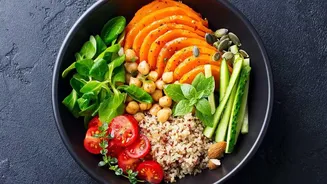
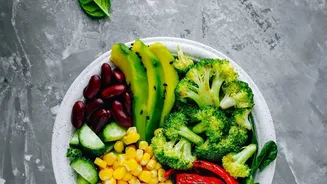
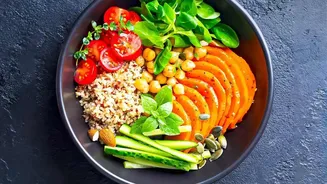
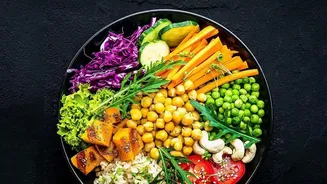
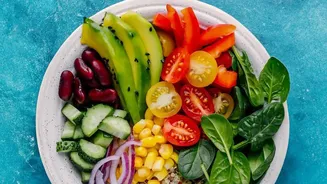
While protein is a powerhouse, it works best as part of a team. Fibre is essential for adding volume to your meals without adding significant calories. Ensure half of your plate is filled with vegetables, both cooked sabzi and fresh salads, to boost your fibre intake. Choosing whole grains like brown rice, millets, or whole wheat roti over their refined counterparts also adds valuable fibre that aids in satiety. Healthy fats are the final component for a satisfying meal. Don't be afraid to add a handful of nuts or seeds to your sabzi or salad, use a dollop of ghee on your roti, or include avocado in your meal. These fats are not only filling but also essential for absorbing certain vitamins.
Simple Swaps for a Satisfying Meal
Transforming your meals from snack-inducing to satisfying doesn't require a complete overhaul. Small, intelligent swaps can make a huge difference. If you're having poha for breakfast, add some peanuts or sprouts. When making roti, consider mixing besan (chickpea flour) into the dough to increase its protein content. If a salad is your lunch, make it a main course by adding a generous portion of grilled paneer, boiled chickpeas, or a handful of toasted almonds and pumpkin seeds. Instead of just a vegetable curry for dinner, ensure you also have a substantial bowl of dal, chana masala, or rajma. Think of it as upgrading your meal by ensuring a protein source and a healthy fat source are always present alongside your carbohydrates and vegetables.