



A Power Boost in Orbit
On November 5, 2026, a five-year effort to modernize the International Space Station’s (ISS) power grid concluded with a nearly seven-hour spacewalk. NASA astronaut Anil Menon and Canadian Space Agency astronaut Joshua Kutryk installed the eighth and final
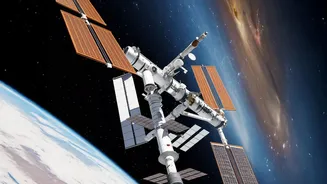
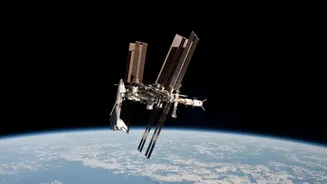
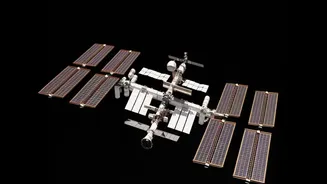
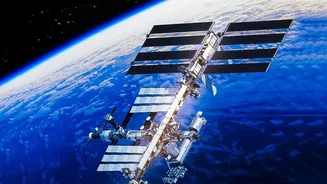
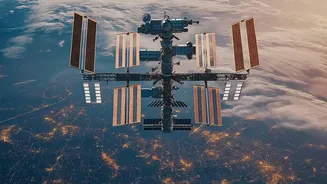
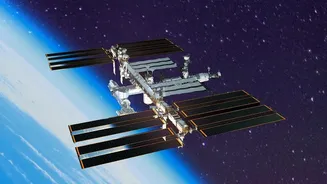
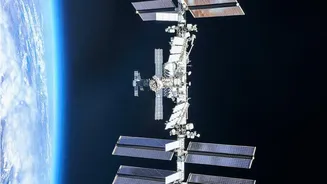
ISS Roll-Out Solar Array, or iROSA. This spacewalk was the last in a long series dedicated to attaching these new, more efficient arrays over the station's existing, aging solar wings. The completion of this project marks a significant milestone, boosting the station's total available power from about 160 kilowatts to 215 kilowatts, an increase of roughly 30%. This power is essential for everything from life support systems to the groundbreaking scientific research conducted onboard.
Why the Upgrade Was Critical
The original solar arrays on the ISS were designed with a 15-year lifespan. While they have performed remarkably well, some have been in service for over two decades, and their output has naturally degraded over time due to the harsh environment of space. This meant the station had less power available for science and operations. The iROSA project was conceived to augment the existing power system, not replace it. By installing the new, smaller, more efficient arrays in front of the originals, NASA could generate more overall power, ensuring the station remains fully operational through its planned retirement in 2030.
The Tech Behind the Boost
The iROSA technology represents a major leap forward. Unlike the original rigid panels, the new arrays are flexible blankets of advanced solar cells that were launched in a compact, rolled-up form inside the trunk of a SpaceX Dragon cargo vehicle. This design makes them much easier to transport and deploy. During the spacewalks, astronauts mounted the rolled arrays onto special brackets and then released bolts, allowing the stored energy in the carbon composite booms to unfurl the array to its full 63-foot length without any motors. Even though the new arrays are smaller, their modern solar cells are far more efficient, generating significant power. One astronaut even noted they are half the size of the old ones but can deliver 40% more power.
More Power, More Science
So, what do 'critical station operations' actually mean? The power boost directly supports the core mission of the ISS: science. With an additional 55 kilowatts of power, the station can run more complex and energy intensive experiments simultaneously. This opens the door for advanced research in fields like materials science, fluid dynamics, and medical research that can't be done on Earth. The extra power also supports an increasing number of commercial activities and technology demonstrations on the station. Ultimately, it ensures that the orbiting laboratory can continue to be a vital platform for testing the systems and technologies needed for future deep space missions to the Moon and Mars, as envisioned by the Artemis program.