



Kaziranga: A Conservation Success Story
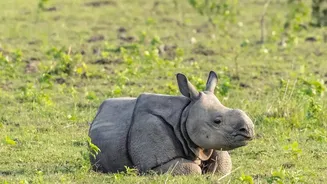
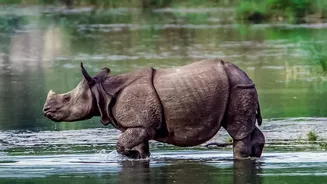
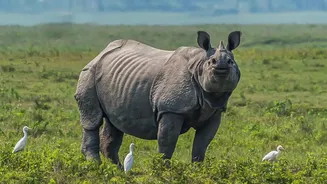
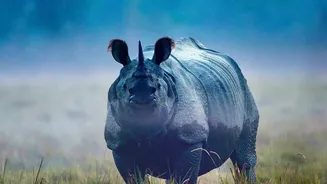
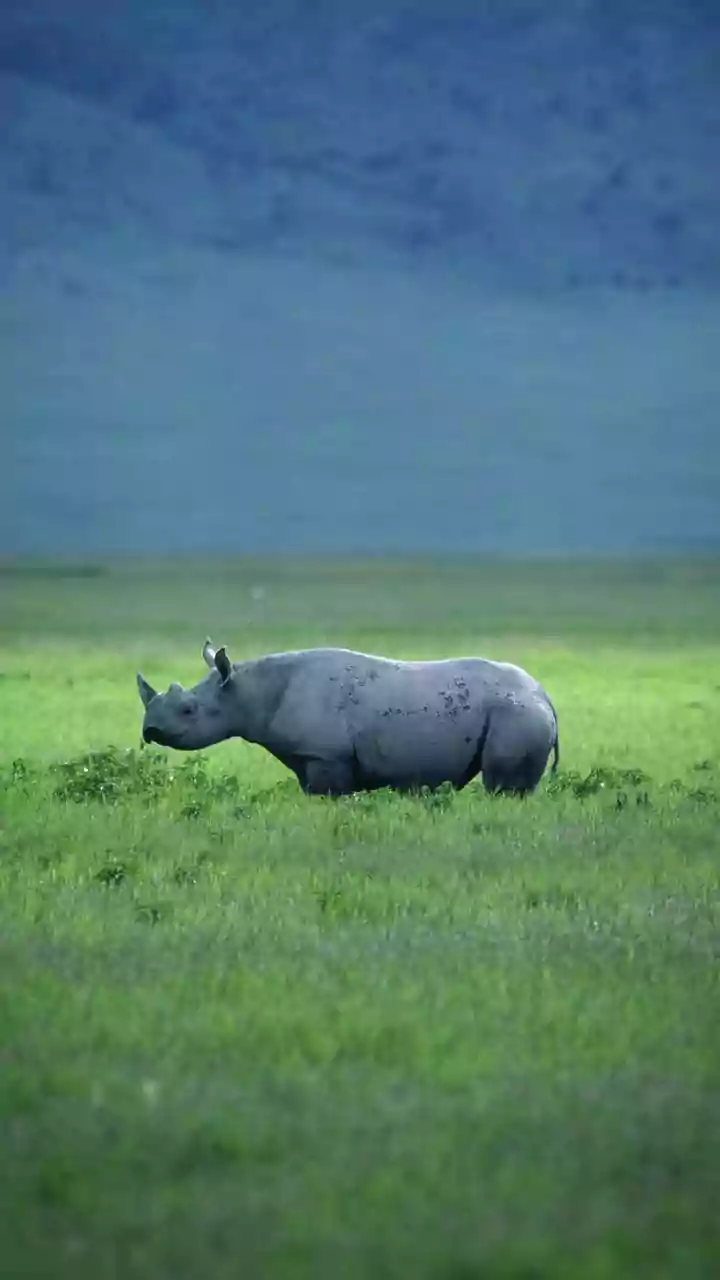
Nestled in the floodplains of the Brahmaputra River, Kaziranga National Park is a UNESCO World Heritage Site and one of India's greatest conservation triumphs. Once down to just a few hundred, the population of the great one-horned rhino has made a remarkable
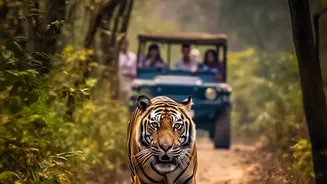
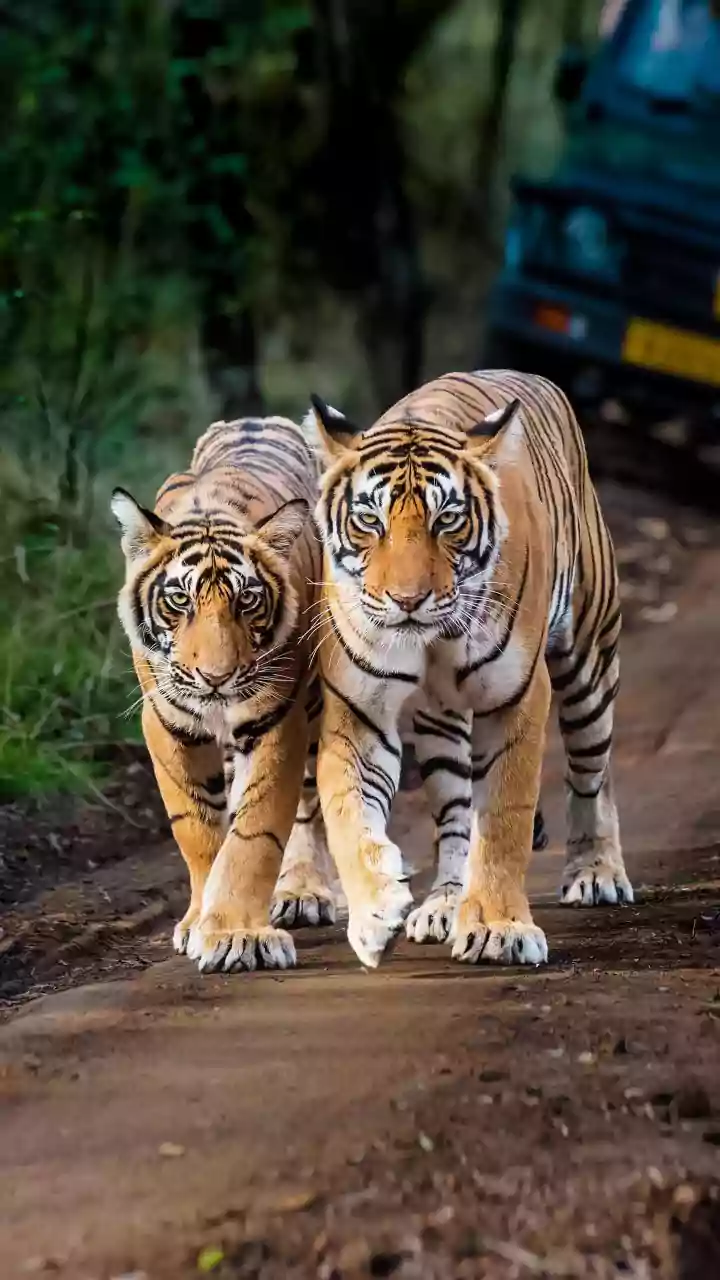
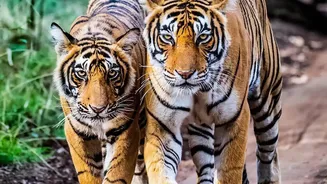
comeback, with over 2,600 now thriving in Kaziranga alone. This 430-square-kilometre sanctuary of tall elephant grass, marshland, and dense forests is the most crucial habitat for the species, making it the premier destination to witness these magnificent animals in their natural environment. The park's success is so significant that it has one of the highest densities of tigers in the world and was declared a Tiger Reserve in 2006.
When to Plan Your Visit
The best time to visit Kaziranga National Park is between November and April. During these months, the weather is pleasant and dry, and the park is fully open to tourists. The park remains closed from May to October due to the monsoon season, when heavy rains cause the Brahmaputra River to flood large areas. For the most comfortable weather, plan your trip between December and February, which is also a great time for birdwatching. If your main goal is maximum wildlife sightings, consider March and April, as animals often gather near water bodies. Be aware that the peak season runs from December to February, so it's wise to book your safaris and accommodation well in advance.
How to Explore the Park: Safari Options
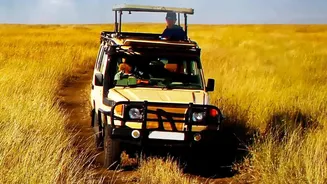
Kaziranga offers two primary ways to explore its wilderness: the classic Jeep safari and the intimate elephant safari. The Jeep safari allows you to cover more ground across the park's different zones and runs in both morning and afternoon shifts. For a different perspective, the early morning elephant safari takes you off the beaten path and through tall grasslands, often getting you remarkably close to rhinos. Elephant safaris are available only in the Central (Kohora) and Western (Bagori) ranges. It is highly recommended to book safaris in advance, especially during peak season, as permits are limited.
Understanding the Safari Zones
The park is divided into four main tourist zones, each offering a unique landscape and wildlife experience. The Central Range (Kohora) is the most popular, especially for first-time visitors, offering a high probability of rhino sightings. The Western Range (Bagori) is famous among photographers for its open grasslands and excellent chances for spotting rhinos and wild water buffalo. For birdwatching enthusiasts, the Eastern Range (Agaratoli), with its numerous water bodies, is a paradise and is also the only zone offering a boat safari. The Burapahar Range provides a quieter, more offbeat experience with its hilly terrain and dense forests, where you might spot a Hoolock gibbon.
Beyond the Rhinoceros: Other Wildlife
While the one-horned rhino is the main attraction, Kaziranga's biodiversity is staggering. The park is home to a large population of Asian elephants, wild water buffalo, and the Eastern swamp deer (Barasingha). It also has one of the highest densities of Bengal tigers among India's protected areas. Other animals you might encounter include hog deer, sambar, wild boar, and sloth bears. The park is also a designated Important Bird Area, with over 450 species recorded, including the great hornbill, Pallas's fish eagle, and various storks and pelicans.
Getting There and Practical Tips
The most convenient way to reach Kaziranga is by flying into Guwahati (217 km away) or Jorhat (97 km away) and then hiring a taxi for the 4-5 hour or 2-hour drive, respectively. The nearest major railway station is Furkating (75-80 km away), but Guwahati offers better connectivity. For a comfortable trip, which most visitors find takes 2 to 3 days, pack light-coloured clothing, comfortable walking shoes, a hat, sunscreen, and binoculars. Remember to carry a reusable water bottle and any personal medications. Always follow the instructions of your safari guide for a safe and respectful wildlife experience.