



The Allure of Earth's Fury
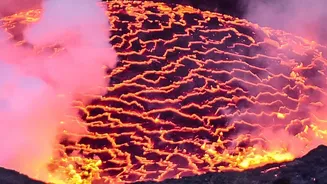
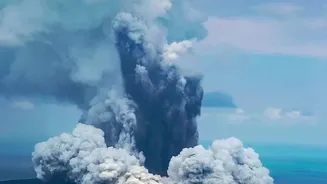
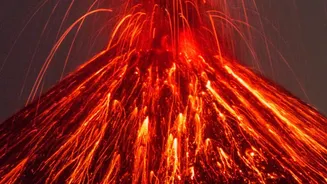
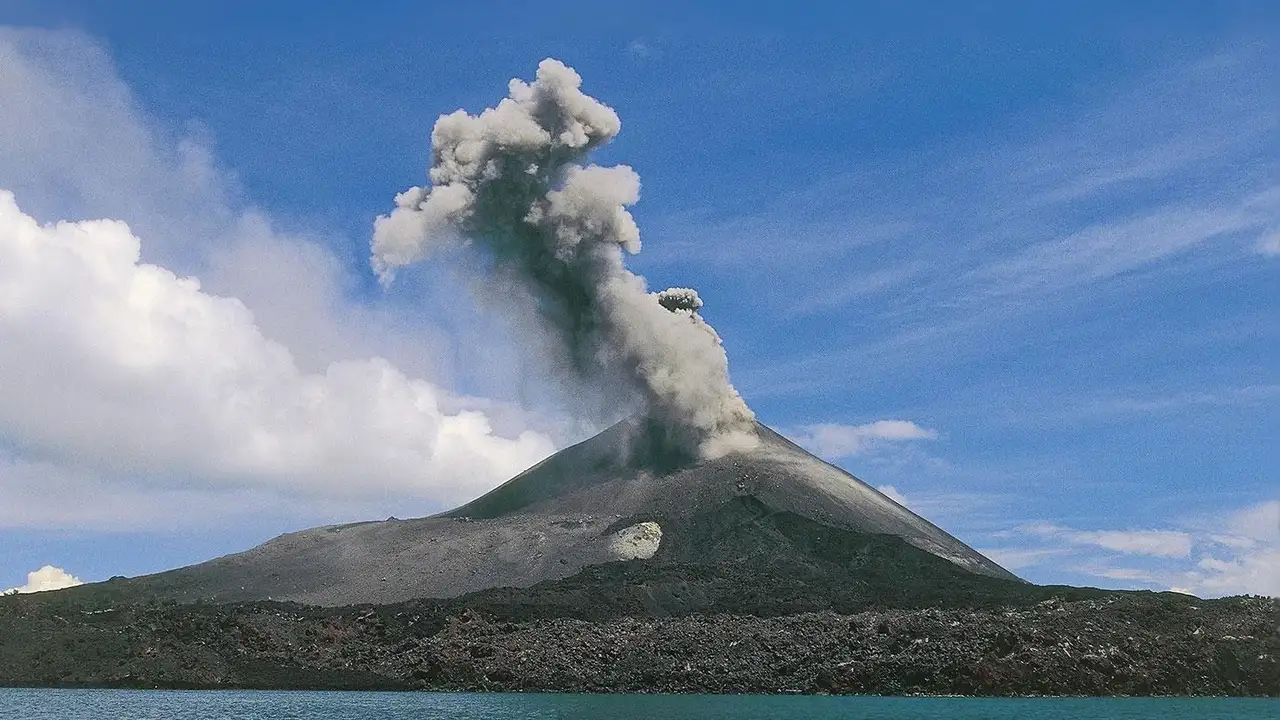
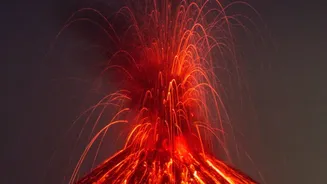
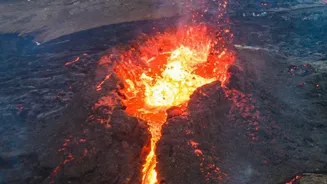
There's something hypnotic about watching the Earth create itself in real-time. From the glowing lava rivers of Iceland to the towering ash plumes in Japan, volcanoes offer a direct connection to the planet's primal forces. This fascination is nothing
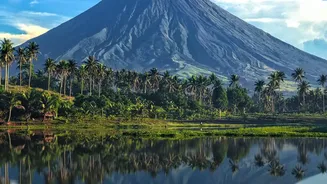
new; tourists have been visiting sites like Mount Vesuvius for nearly two centuries. In recent years, social media has amplified this trend, turning spectacular eruptions into must-see travel destinations. This boom in volcano tourism can be a significant economic driver for local communities, supporting jobs and businesses that cater to these intrepid travellers. When managed correctly, it creates a symbiotic relationship where visitors get a breathtaking experience and locals benefit from a sustainable source of income.
Understanding Invisible Dangers
The most obvious threat from a volcano is lava, but the risks are far more complex and often invisible. The ground near fissures can be unstable and collapse without warning. Volcanic gases, including sulphur dioxide, can be toxic and even fatal, especially for those with respiratory conditions. These gases can accumulate in low-lying areas or shift suddenly with the wind. Then there are pyroclastic flows—superheated, fast-moving currents of gas and rock that incinerate everything in their path. Even after an eruption, the danger isn't over. Lahars, or volcanic mudflows, can surge down river valleys, moving faster than a person can run. These multifaceted dangers are why authorities establish strict safety perimeters.
What Are Exclusion Zones?
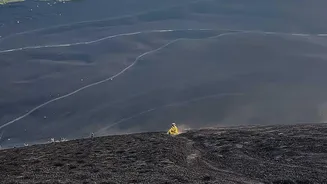
Exclusion zones are not arbitrary lines on a map. They are scientifically determined boundaries established by volcanologists and civil protection authorities to keep people safe. Scientists use a variety of tools to monitor a volcano's activity, including seismographs to detect ground tremors, GPS to measure changes in the volcano's shape, and sensors to analyze gas emissions. These hazard maps are based on historical eruption data, the volcano's specific geology, and the local topography that will dictate where lava, gas, and mudflows are likely to travel. An exclusion zone represents the area where the risk of sudden, life-threatening events is unacceptably high. These zones can change daily, or even hourly, based on the volcano's behaviour, which is why checking official sources before and during a visit is non-negotiable.
The High Cost of Ignoring Warnings
The temptation to cross a barrier for a better photo can have devastating consequences. The 2019 eruption of Whakaari/White Island in New Zealand is a tragic reminder. Forty-seven people were on the island when it erupted unexpectedly, leading to 22 deaths and severe injuries for the survivors. The incident occurred after the volcano's alert level had already been raised, highlighting the immense risks of entering unpredictable environments. In other instances, tourists have had to flee for their lives from sudden eruptions in places like Guatemala, where they had entered areas that were officially off-limits. Even when tragedy is averted, the cost is high. In Hawaiʻi Volcanoes National Park, rescue teams have had to perform dangerous operations to save visitors who wandered off trails into closed areas, putting the rescuers themselves at risk. As one chief ranger noted, a simple change in wind direction could lead to a fatal dose of volcanic gas for anyone in a restricted zone.
How to Be a Responsible Volcano Tourist
Safely and respectfully experiencing a volcano is entirely possible. The key is preparation and adherence to rules. Always start by checking official sources, like the national park service or local geological observatory, for the latest updates on volcanic activity and closures. Hiring a certified local guide is one of the best ways to ensure you stay safe and gain a deeper understanding of the natural wonder you're visiting. When you arrive, stay on marked trails and respect all barriers and closed-area signs—they are there to protect you. Be prepared with proper gear, including sturdy, closed-toe shoes, water, a flashlight for nighttime viewing, and potentially masks or goggles if ash is present. Finally, listen to the instructions of park rangers and local authorities. If they issue an evacuation order, leave immediately.