







A Toxic Item in the Digital Shopping Cart
The convenience of quick commerce faced a serious reality check when food safety officials in Karnataka took decisive action against several major e-commerce players. The food licences for Amazon, Swiggy Instamart, and BigBasket were suspended after it was
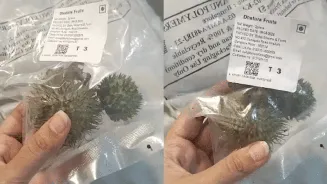
discovered that Datura, a poisonous plant, was being listed and sold on their platforms for human consumption. Inspections revealed that packets of Datura fruits and seeds, sometimes carrying misleading Food Safety and Standards Authority of India (FSSAI) licence numbers, were stored in warehouses and offered for sale. The action was reportedly triggered by a complaint after a customer received Datura fruit, which is poisonous, as a free item with an order, which was then consumed by a child. This alarming oversight prompted a statewide probe into how such a dangerous item could breach the digital shelf and end up in a consumer's home, posing a severe public health risk.
What is Datura and Why is it Dangerous?
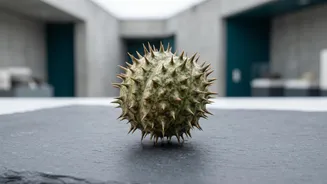
Datura, known in India as Dhatura and in English as Thorn Apple or Jimsonweed, is a plant belonging to the nightshade family. While it has uses in traditional medicine under strict expert supervision, all parts of the plant are highly toxic if ingested. The plant contains potent tropane alkaloids like atropine, scopolamine, and hyoscyamine. Ingesting even small amounts can lead to a severe condition known as anticholinergic poisoning. Symptoms can appear within 30 to 60 minutes and include a rapid heartbeat, blurred vision, delirium, terrifying hallucinations, and psychosis. In severe cases, it can cause seizures, respiratory failure, coma, and even death. Health experts warn that the plant should never be sold as a fruit or made accessible to the public for consumption due to its poisonous nature and the unpredictable concentration of toxins.
Regulators Step In with Force
In response to the findings, the Karnataka Food Safety and Drugs Administration Department issued an order for the immediate suspension of the platforms' food licences until further notice. The department, led by Food Safety Commissioner K. Srinivas, directed Amazon, Swiggy Instamart, and BigBasket to immediately remove all listings and advertisements for Datura and cease its sale or distribution as a food product. The crackdown extended beyond the platforms themselves, with authorities also ordering the suspension of licences for the suppliers and vendors who provided the toxic products to the e-commerce giants. During a hearing, the platforms' responses were deemed unsatisfactory by the adjudicating authority. Amazon reportedly did not submit a response, Swiggy Instamart asked for more time, and BigBasket stated it had stopped the sale and would change its labelling to specify the product is "not for human consumption."
A Wider Problem of Platform Accountability
This incident highlights a growing concern regarding the vetting processes on quick-commerce and e-commerce platforms. The ability for a known poisonous plant to be listed with an FSSAI number raises serious questions about accountability. This is not the first time food delivery services have come under regulatory scrutiny for hygiene and safety lapses. In recent months, the Maharashtra FDA suspended licences for facilities belonging to Blinkit and Zepto for issues like pest infestations, poor hygiene, and improper temperature controls for food products. Regulators like the FSSAI have previously urged food aggregators to invest more in the training and capacity building of their listed partners to ensure food safety, rather than focusing solely on aggressive marketing and discounts. The current incident with Datura underscores the critical need for robust verification systems to prevent hazardous products from being misrepresented and sold to an unsuspecting public.