





Nepal stands at an economic crossroads, grappling with slowing growth and the critical need to win back investor trust. The path to recovery is steep, hinging on promised reforms and the ability to turn potential into prosperity.
A Picture of Economic Pressure
Nepal's economy is showing
signs of strain. Projections from international bodies paint a mixed picture, with both the IMF and Asian Development Bank forecasting GDP growth to slow in 2026, landing somewhere between 2.7% and 3.9%. This is a noticeable dip from previous years and falls short of the government's ambitious targets. While inflation has seen periods of moderation, the economy is vulnerable to external shocks, including global conflicts that affect oil prices and a heavy reliance on remittances, which, though currently strong, are susceptible to global instability. Furthermore, a history of lower-than-expected capital expenditure execution has hampered development and infrastructure projects, adding another layer of difficulty to the country's growth ambitions.
The Confidence Deficit
Beyond the numbers, a more profound challenge plagues Nepal's economy: a deficit of confidence. Both domestic and foreign investors remain cautious, hesitant to commit fresh capital. Business leaders point to a climate of uncertainty driven by policy unpredictability, bureaucratic hurdles, and a perceived disconnect between different government bodies. For example, while the finance ministry may push for pro-investment legal reforms, other agencies have taken actions that created an atmosphere of fear among business people. This inconsistency undermines trust. Investors need assurance that the rules will be stable and transparent over the long term, but they often face a reality of overlapping regulations, administrative delays, and a lack of coordination between government departments. The result is a 'wait-and-see' approach that stalls investment and slows economic activity.
The Push for Investment
The Nepalese government is acutely aware of these issues and has launched a multi-pronged effort to woo investors. A series of investment summits have been held to showcase opportunities, resulting in billions of dollars in pledges. However, a persistent gap remains between the amounts promised and the actual foreign direct investment (FDI) that materializes. To bridge this gap, authorities have initiated significant reforms, including amending key laws like the Foreign Investment and Technology Transfer Act (FITTA). Recent changes include lowering the minimum FDI threshold to NPR 20 million (around USD 150,000), eliminating it entirely for IT-based industries, and expanding the 'automatic route' for investment approval to over 100 sectors, which aims to reduce bureaucratic delays. The government has also promoted a 'One-Stop Service' to streamline everything from registration to licensing.
Where the Opportunities Lie
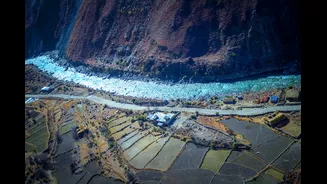
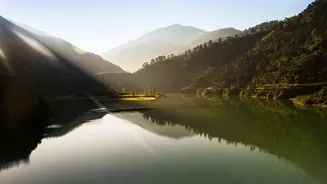
Despite the challenges, Nepal holds immense potential in several key sectors. Hydropower stands out as the most promising area, with the country having tapped only a fraction of its estimated 40,000 MW potential. With growing energy demands from neighbours like India and Bangladesh, this sector offers long-term strategic returns. Tourism and hospitality are also high-revenue sectors, leveraging Nepal's global appeal for mountaineering, cultural heritage, and spiritual travel. Other areas ripe for investment include IT and digital services, manufacturing, agribusiness, and infrastructure development, including airports and highways. The government is actively trying to showcase these opportunities, recently preparing a list of 23 major infrastructure projects for a summit, seeking over Rs 2.4 trillion in private capital.
Why It Matters for the Region
A stable and growing Nepalese economy is crucial not just for its citizens but for the entire South Asian region, especially its largest trading partner, India. Nepal is strategically located between the economic powerhouses of India and China, offering potential as a trade and transit hub. Economic instability can have ripple effects, impacting trade flows and regional security. Remittances from the vast Nepali diaspora, including from India, are a lifeline for the economy, making its stability a concern for host countries. For India, a prosperous Nepal means a more reliable partner in trade and development, particularly in shared interests like hydropower exports and cross-border infrastructure. The success of Nepal’s economic revival will therefore be watched closely from New Delhi and beyond.