

Meet the Resilient Legume
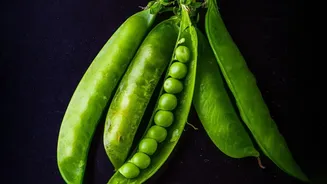
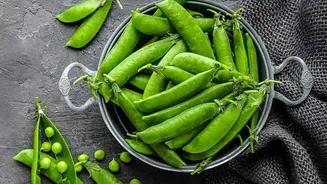
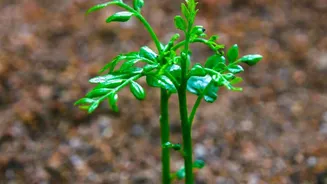
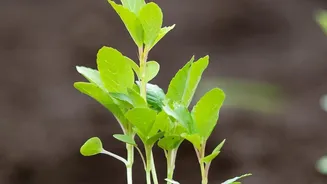
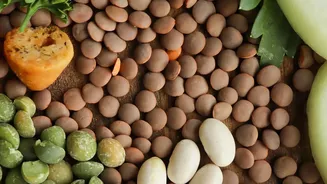
Known to many as khesari dal or teora, the grass pea (Lathyrus sativus) is one of the oldest cultivated crops in the world, with a history stretching back thousands of years. It’s an incredibly hardy annual legume that has earned the nickname “insurance
crop” among farmers. This is because it produces a reliable yield even when other crops fail due to harsh conditions like drought, excessive water, or poor soil. Often planted in paddy fields after the rice harvest, it grows on residual moisture, requiring minimal inputs like fertiliser or irrigation, making it an economical and low-effort crop for farmers.
A Nutritional Powerhouse
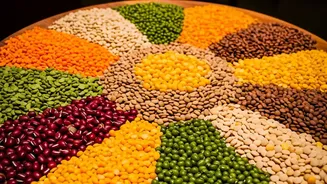
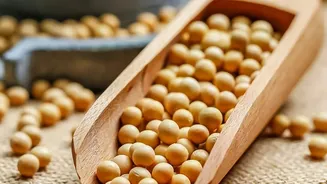
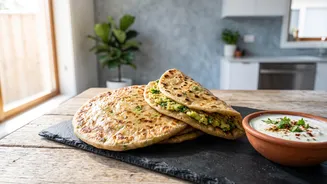
Beyond its agricultural benefits, the grass pea is a nutritional giant. Its seeds are packed with protein, containing anywhere from 26-32%, which is significantly higher than chickpeas and field peas. Rich in the essential amino acid lysine, it’s a valuable protein source, especially in vegetarian diets. The seeds are also a good source of carbohydrates, dietary fibre, and essential minerals like potassium, zinc, and iron. Traditionally in India, khesari is dried and split to be used as dal, ground into flour to mix with chapati dough, or used to make fritters.
A Farmer’s and Planet’s Friend
The grass pea's adaptability makes it a climate-smart choice for modern agriculture. As a legume, it has the natural ability to fix nitrogen in the soil, reducing the need for synthetic fertilisers. This not only cuts costs for farmers but also contributes to healthier soil and lower greenhouse gas emissions. Its deep taproot system helps improve soil structure and prevent compaction. By thriving in marginal lands where other pulses struggle, it can help increase overall pulse production without competing for prime agricultural real estate, enhancing biodiversity and farm resilience.
Addressing the Decades-Old Controversy
For many, the mention of khesari dal brings to mind a serious health concern: neurolathyrism. This neurological disorder, which causes irreversible paralysis in the lower limbs, was linked to the overconsumption of grass pea. The culprit is a neurotoxin called ODAP (or BOAA). Cases of lathyrism were historically reported during times of famine, when desperate populations consumed grass pea as their sole food source for extended periods (over three months). This led the Indian government to ban the sale and storage of khesari dal in 1961, though cultivation for animal feed was still permitted.
A Safe and Sustainable Comeback
The story of the grass pea is now one of scientific redemption. Decades of agricultural research have led to the development of new grass pea varieties with significantly lower levels of the ODAP toxin, well below the risky threshold. Varieties like 'Ratan', 'Prateek', and 'Mahateora' are considered safe for human consumption. Based on this scientific progress, an expert committee recommended lifting the ban in 2015, and the process to formally allow its sale has been initiated. It's also known that traditional preparation methods, such as soaking the dal for several hours and discarding the water, can reduce the toxin by up to 90%. With no new cases of lathyrism linked to its consumption in decades, the focus is shifting back to the crop’s immense benefits.