

A New Alarming Record
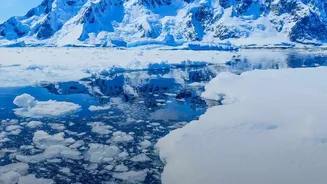
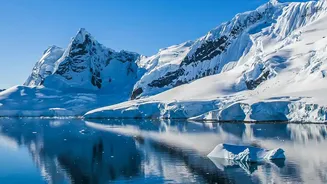
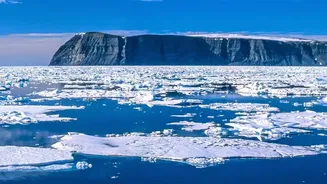
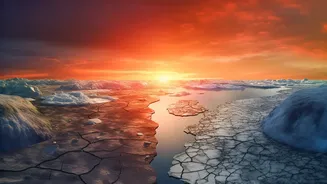
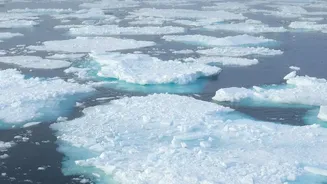
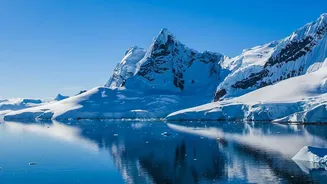
Scientists at the National Snow and Ice Data Center (NSIDC) confirmed that on September 14, 2026, Antarctic sea ice covered just 17.59 million square kilometres. This figure marks the peak of the winter freezing season, but it falls about one million square kilometres below
the long-term average—an area roughly twice the size of Spain. This isn't just a statistical blip; it represents a significant deficit in the continent's protective shield of frozen ocean. While sea ice levels naturally fluctuate, the confirmation of this low maximum has solidified a worrying trend that has been building for several years.
A Pattern of Persistent Lows
More concerning than a single low year is the consistency of the recent decline. This year's event means that the four lowest winter sea-ice maximums in the 48-year satellite record have all occurred in the last four years. For decades, Antarctic sea ice was seen as relatively stable, even showing slight expansion in some areas, in stark contrast to the rapid melting in the Arctic. However, since 2016, the trend has sharply reversed, with the continent now experiencing record-breaking lows in both its summer minimum and winter maximum extents. Scientists are increasingly convinced this is not a random occurrence but a potential shift to a new, less icy state for the Antarctic.
What's Driving the Change?
There isn't one simple answer, but a combination of factors is believed to be at play. A primary suspect is the warming of the Southern Ocean. Warmer ocean water, driven by global climate change, is making it harder for ice to form and stick around. Changes in wind patterns, potentially influenced by phenomena like El Niño, also play a crucial role. Stronger winds can push ice around and break it up, while also driving the upwelling of warmer, deeper ocean water to the surface, which melts the ice from below. This combination of a warmer atmosphere and a warmer ocean creates a pincer movement against the sea ice.
The Global Ripple Effect
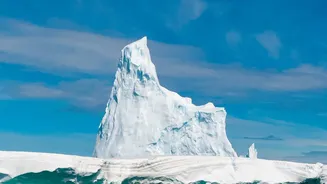
What happens in Antarctica doesn't stay in Antarctica. The vast white sheet of sea ice acts as a giant mirror, reflecting the sun's energy back into space and helping to regulate the planet's temperature. When dark ocean water replaces that ice, it absorbs more heat, creating a feedback loop that accelerates warming. While melting sea ice doesn't directly raise sea levels because it's already floating, its absence has a dangerous knock-on effect. It leaves coastal ice shelves—the massive tongues of ice extending from the continent's landmass—exposed to warmer water and destructive ocean waves. These ice shelves act as a crucial barrier, slowing the flow of glaciers from the land into the sea. If they weaken and collapse, it could unleash a far greater contribution to global sea-level rise.
An Ecosystem on the Brink
The loss of sea ice is also a catastrophe for the unique Antarctic ecosystem. The entire food web is built on this frozen platform. It provides critical habitat for algae and krill, the tiny crustaceans that form the base of the food chain. Less ice means less krill, which in turn means less food for penguins, seals, and whales. Emperor penguins, for example, rely on stable sea ice to breed and raise their chicks; when the ice breaks up too early, entire colonies can fail. The shift is already being observed, with some species like salps, which are less nutritious, thriving in the new conditions while krill struggle, signalling a fundamental reorganization of this fragile environment.