


The Foundation: Start with Quality Nuts
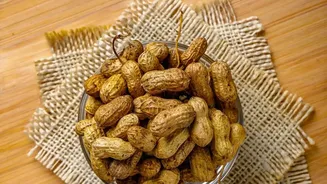
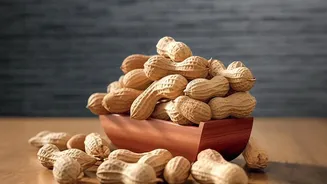
The journey to the perfect roasted peanut begins not in the oven, but at the point of selection. For the best results, you want to start with raw, shelled peanuts. While you can roast peanuts in their shells, using shelled nuts gives you more control
over the final flavour and texture. Look for large, uniform kernels, often sold as Runner or Virginia peanuts. These varieties are known for their excellent roasting characteristics. Keeping the thin, papery red skins on is a matter of preference, but they contain antioxidants that are actually enhanced by the roasting process. Regardless of your choice, ensure the peanuts are fresh and free from blemishes. The quality of your starting ingredient will directly impact the final product.
The Secret Step: Brining for Flavour
Many recipes suggest simply tossing peanuts with oil and salt before roasting. However, for a more deeply and evenly seasoned nut, the secret lies in a saltwater brine. Dissolving salt in water and soaking the raw peanuts for anywhere from 20 minutes to a few hours allows the salt to penetrate the nut itself, rather than just clinging to the surface. This method ensures every single bite is perfectly seasoned from the inside out. After soaking, the peanuts must be thoroughly drained. Some methods even call for allowing them to air-dry for several hours or overnight before roasting. This step is crucial because removing excess surface moisture is key to achieving a crisp texture later. Rushing this drying phase can lead to steaming instead of roasting, resulting in a disappointingly soft peanut.
The Magic of Heat and Time
Roasting is where the transformation truly happens. This isn't just about drying out the peanut; it's about a complex chemical process called the Maillard reaction. First discovered by French chemist Louis-Camille Maillard in 1912, this reaction occurs when the amino acids and natural sugars within the peanut are exposed to heat. It’s the same process that gives a seared steak its flavour and toasted bread its golden-brown colour. As the peanuts roast in an oven, typically set around 175°C (350°F), the Maillard reaction creates hundreds of new flavour and aroma compounds. This is what develops the deep, 'roasty' and nutty profile we crave. The process removes moisture, making the peanut crunchier, and gives it an appealing golden hue. It's important to spread the peanuts in a single layer on a baking sheet and stir them periodically to ensure even cooking.
Achieving the Perfect Crunch
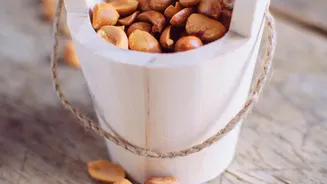
One of the most common pitfalls in home roasting is knowing exactly when to pull the peanuts from the oven. The nuts will continue to cook from residual heat even after they’re removed. Therefore, you should take them out just before they seem perfectly done. Your nose is one of your best guides; when the kitchen fills with a rich, peanutty aroma, they are very close. They should be golden brown and fragrant. Once you remove them from the oven, they will still be slightly soft. The final, sought-after crispness develops as they cool. As the peanuts cool down, you might even hear a satisfying crackling sound as the moisture fully evaporates and the structure sets. For those who skipped the brining step, seasoning should happen immediately after they come out of the oven, while they are still warm and slightly oily, to help the salt adhere.