

What is Flavour-Collision Cuisine?
For years, 'fusion' has been a catch-all for any dish that borrows from multiple cultures, sometimes with mixed results. But what's happening in India's top kitchens in 2026 is something different. This isn't about adding paneer to a pizza or making a masala
pasta. This is a thoughtful, often radical, re-imagining of flavour, texture, and temperature. Chefs are deconstructing beloved recipes and reassembling them in unexpected ways. Imagine the smoky essence of a tandoor infused into a delicate chocolate ganache, or the sharp, tangy profile of tamarind broth served as a frozen granita over fresh oysters. The goal isn't novelty for its own sake; it's to create a new experience that still honours the soul of the original flavours. It’s a confident and playful approach, one that sees Indian culinary traditions not as rigid rules but as a rich vocabulary for creating something entirely new.
The Chefs Behind the Collision
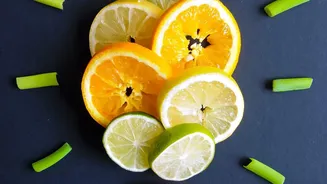
This trend is driven by a generation of chefs who have both a deep respect for their heritage and extensive training in global culinary techniques. Chefs like Manish Mehrotra have long been celebrated for their inventive reinterpretations, turning classics into modern art with dishes like his famed meetha achaar pork ribs. Following in these footsteps, a new guard is pushing boundaries even further. They are culinary storytellers, blending personal history with avant-garde methods. We see this in dishes like jackfruit koftas prepared using precise sous-vide techniques to mimic the texture of traditional meat kebabs, or a simple dal transformed into an elegant, silky velouté that retains its comforting taste. These innovators are less interested in simply combining two cuisines and more focused on exploring the surprising harmony between disparate ingredients, like pairing the uniquely acidic Gondhoraj lemon with a classic French scallop.
From Street Food to Fine Dining
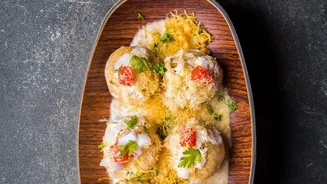
This adventurous spirit isn't confined to fine-dining establishments. It’s bubbling up from the streets, where vendors are creating viral sensations with their own spin on flavour collisions. You might find a 'nachos bhel' or a 'pasta chaat', blending the textures and tastes of Mumbai street food with international comfort classics. This grassroots creativity is influencing the entire food scene, proving that Indian diners are more than ready for experimentation. Even desserts are getting a modern makeover, with creations like gulab jamun cheesecake and masala chai tres leches becoming menu standouts. This widespread acceptance shows a fundamental shift: consumers are no longer just seeking authentic, traditional meals, but are actively looking for new and exciting dining experiences that challenge their expectations.
A Sign of Culinary Confidence
So why is this happening now? Several factors are converging. Increased global travel and media exposure have broadened the palates of Indian consumers. At the same time, there's a renewed pride in hyper-local and regional ingredients, with chefs rediscovering ancient grains like millets and incorporating them into modern dishes like fine-dining risottos. This isn't about looking outward for inspiration, but about looking inward with new eyes. Indian cuisine is no longer just being introduced to the world; it is leading a global conversation. The rise of 'swicy' (sweet and spicy) combinations, a mainstay of Indian chaats and chutneys, is now a global trend, demonstrating that the world is catching up to the complexity that has always existed in Indian food. This new movement is a declaration of confidence—a sign that Indian cuisine is dynamic, evolving, and setting its own bold agenda for the future.