


A Global Honour for a Heritage Ride
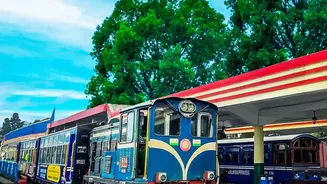
Global travel authority Lonely Planet has unveiled its much-anticipated 'Best in Travel 2027' list, and the Darjeeling Himalayan Railway (DHR) has earned a coveted spot. It was specifically highlighted as a top experience, with the guide beautifully summarising
its appeal: on this train, “the journey is the whole point.” This recognition places the charming, slow-moving train back on the international stage, celebrating it not as a means to an end, but as a destination in itself. For a railway that has been puffing along for over 140 years, this latest accolade is a testament to its enduring magic and timeless appeal in an age of high-speed transit.
More Than a Train, A UNESCO Treasure
Long before this recent honour, the DHR was already in a class of its own. In 1999, it was declared a UNESCO World Heritage Site, only the second railway in the world to receive such a distinction at the time. UNESCO recognized it as an “outstanding example of a hill passenger railway,” one that influenced the social and economic fabric of the region. Built between 1879 and 1881, the railway was an engineering marvel designed to connect the plains of Siliguri with the cool climes of Darjeeling, then a key hub for the British and the burgeoning tea trade. It wasn't built for tourists, but to move goods and people, forever changing the destiny of the hill station.
An Engineering Marvel on a Narrow Gauge
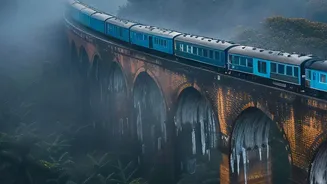
The genius of the DHR lies in its design. The entire 88-kilometre route is laid on a narrow two-foot gauge track, which allows the train to navigate the sharp, winding curves of the Himalayan foothills. To conquer the steep ascent from around 100 metres at New Jalpaiguri to over 2,200 metres at Ghum, its engineers devised a series of ingenious loops and zig-zags (reverses). The most famous of these is the Batasia Loop, created in 1919. Here, the track spirals around a manicured garden with a memorial to Gorkha soldiers, allowing the train to handle a sharp drop in elevation while offering passengers a stunning 360-degree view of Darjeeling and the snow-capped Kanchenjunga on clear days.
The Slow Journey Through the Hills
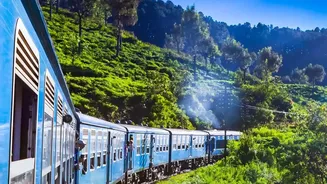
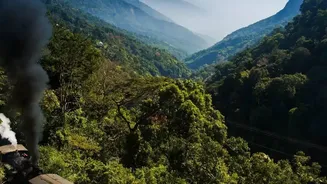
Riding the Toy Train is an immersive experience. While the full journey from New Jalpaiguri takes over seven hours, most tourists opt for the shorter 'Joy Rides' from Darjeeling to Ghum and back. These are often pulled by vintage B-Class steam locomotives, some over a century old, adding to the nostalgic charm. The train moves at a gentle pace, often no faster than 11-13 km/h, allowing you to soak in the scenery. It chugs through dense forests, past vibrant tea gardens, and directly through bustling town bazaars in places like Kurseong, where shopkeepers and locals pause to wave. The journey culminates at Ghum, India’s highest railway station, where a small museum documents the railway's rich history.
Preserving a Living Legacy
Keeping a 19th-century railway running is no small feat. The DHR faces constant challenges, from landslides during monsoons to encroachments along its tracks. However, Indian Railways and DHR authorities continue to invest in its preservation, understanding its immense cultural and economic value. The recent Lonely Planet feature is a major boost for these efforts, highlighting the railway's importance not just as a piece of history, but as a thriving, vital part of Darjeeling's tourism landscape. The rising passenger numbers and revenue in recent years show that the love for this heritage journey is stronger than ever.