


The Heartbeat of the Streets
Street food is more than just a quick meal; it's the cultural and culinary heartbeat of urban India. From the bustling lanes of Delhi to the seaside promenades of Mumbai, vendors are keepers of an edible legacy. Many of these cooks have perfected a single
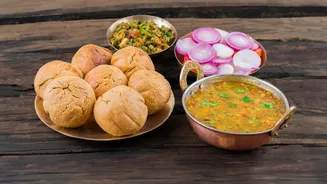
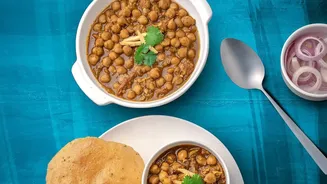
dish over decades, using recipes passed down through generations. This is not a story of commercial expansion or brand-building. It is a story of tradition, of muscle memory in the flick of a wrist mixing bhel puri, and of the precise alchemy of spices in a chole bhature that tastes the same today as it did thirty years ago. These vendors often use traditional cooking methods and hand-ground spices, creating a depth of flavour that is hard to replicate in a commercial setting.
A Tale of Two Chaats
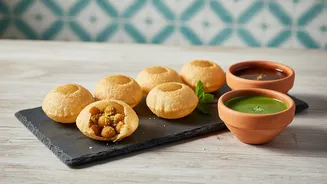
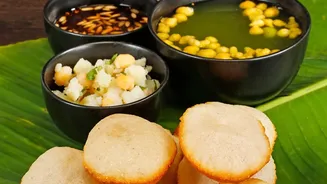
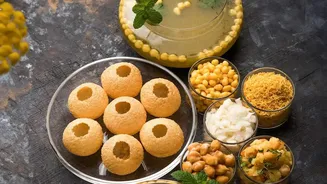
Consider the humble chaat, a dish believed to have roots in the Mughal era. On the street, it’s a symphony of chaos and flavour: crispy, tangy, spicy, and sweet, all served up in moments. A street vendor's pani puri is an exercise in efficiency and explosive taste, designed for immediate consumption. Now, walk into a modern restaurant. You might find 'deconstructed chaat' or 'avocado golgappas'. Chefs, driven by creativity and the need to offer something unique, will transform the dish. The tamarind water might become a foam, the potato filling might be infused with truffle oil, and the presentation will be artistic and deliberate. While often delicious, this evolution changes the dish's fundamental character from a rustic, immediate pleasure to a more curated, intellectual experience.
The Restaurant Remix
Why do restaurants feel the need to reinterpret these classics? The reasons are manifold. First, there's the pressure of a different business model. Restaurants need consistency across multiple tables, and sometimes across multiple locations, which can lead to the use of pre-made spice blends and standardized recipes. There is also the chef's creative impulse; a desire to put a personal signature on a dish and elevate it for a fine-dining audience. Furthermore, restaurant kitchens cater to a clientele that may have different expectations for hygiene, presentation, and even flavour profiles, sometimes leading to toned-down spice levels or the use of richer ingredients like cream and imported vegetables.
Guardians of Authenticity
In this context, the street vendor emerges as an unlikely conservationist. Their business model is built not on innovation, but on mastery and repetition. A vada pav seller in Mumbai is judged by the unchanging quality of their potato patty and the specific fire of their dry garlic chutney. Their success depends on being a reliable custodian of a flavour that locals know and love. They are specialists, not generalists. While a restaurant menu might feature dozens of items from across the country, a street stall often does one thing, and it does it exceptionally well. This singular focus preserves the integrity of the original recipe, making each stall a living museum of a specific taste. According to some reports, up to 90% of vendors preserve family traditions, anchoring the community in its culinary heritage.