



The Magic of Sago Pearls
Known as sabudana in Hindi, these small, white, pearl-like spheres are not grains, but processed starch extracted from the root of the cassava plant. Originally introduced to India from South America by the Portuguese, tapioca pearls have become a beloved
staple, especially in western and central India. Their unique, slightly chewy texture and ability to absorb flavours make them a versatile ingredient. While they are a source of carbohydrates and energy, they are primarily loved for their role in creating comforting, light-yet-filling dishes. Sabudana is particularly significant during religious fasting periods like Navratri or Ekadashi, as it is not a grain and is considered an appropriate food for 'vrat'.
Sabudana Khichdi: The Comforting Classic
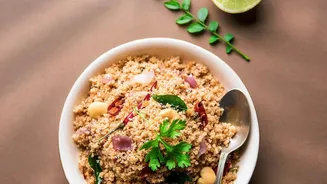
Perhaps the most famous sabudana dish, Sabudana Khichdi is a breakfast favourite, especially in states like Maharashtra, Gujarat, and Madhya Pradesh. This dish is a masterful blend of textures and tastes. The softened, translucent sago pearls are gently tossed with roasted and coarsely crushed peanuts, boiled potato cubes, and a tempering of cumin seeds and green chillies. The result is a delightful dish that's savoury, a little spicy, and wonderfully satisfying without feeling heavy. It is a common street food item in cities like Mumbai and Pune, enjoyed by everyone, whether they are fasting or simply seeking a delicious start to their day.
Sabudana Vada: The Crispy Counterpart
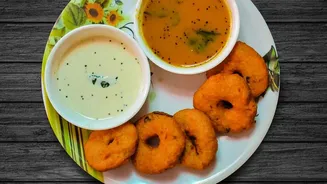
If Khichdi is the soft, comforting preparation, Sabudana Vada is its crispy, indulgent cousin. These deep-fried fritters are a popular snack and breakfast item. To make them, soaked sabudana is mixed with mashed potatoes, roasted peanuts, chillies, and fresh coriander, then shaped into patties and fried until golden brown. The exterior becomes incredibly crisp, while the inside remains soft and chewy. Often served with a side of sweetened yogurt or a spicy green chutney, these vadas are a flavour explosion and a testament to the versatility of the sago pearl.
Beyond Sago: A Universe of Regional Breakfasts
The genius of sago-based breakfasts is just the tip of the iceberg. The true beauty of an Indian breakfast lies in its staggering diversity, with each region offering unique dishes shaped by local produce and culture. Moving away from sago opens up a whole new world of flavours to explore, proving that there is so much more to the Indian morning meal than a single, homogenous idea.
Poha: The Flattened Rice Staple
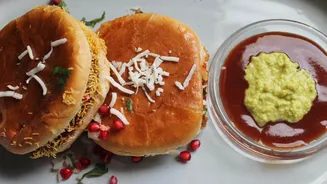
A close cousin in popularity to Sabudana Khichdi is Poha, made from flattened rice. This dish is a breakfast powerhouse across Maharashtra, Madhya Pradesh, and Gujarat. Light and quick to prepare, poha involves rinsing the flattened rice until soft and then stir-frying it with onions, turmeric, curry leaves, and mustard seeds. Different regions have their own variations: Kanda Poha (with onions) is a classic in Maharashtra, while Indori Poha is famously garnished with sev (crispy gram flour noodles) and pomegranate seeds for a sweet and savoury twist.
From the South: Puttu with Kadala Curry
Travel down to Kerala, and you'll find a breakfast that is both visually and texturally unique: Puttu. It consists of steamed cylinders of rice flour layered with grated coconut, cooked in a special 'puttu kutti' or steamer. The resulting rice cake is soft, airy, and crumbly. It is traditionally served with Kadala Curry, a fragrant and spicy gravy made from black chickpeas slow-cooked with roasted coconut and a blend of Keralan spices. This combination is a staple in Malayali households and tea shops, offering a hearty and flavourful start to the day.
From the East: Luchi and Alur Dom
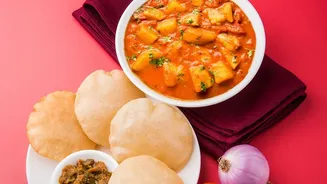
In West Bengal, a celebratory or leisurely Sunday breakfast often means Luchi and Alur Dom. Luchis are deep-fried, puffy breads made from all-purpose flour (maida), which makes them distinctively white and soft compared to the whole-wheat puri. They are served alongside Alur Dom, a slow-cooked potato curry. The Bengali version of this dish is typically lightly spiced and slightly sweet, with baby potatoes simmered in a flavourful gravy of tomatoes, ginger, and aromatic spices. It’s a combination that is pure comfort and indulgence.