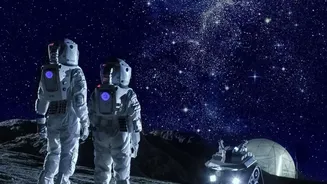


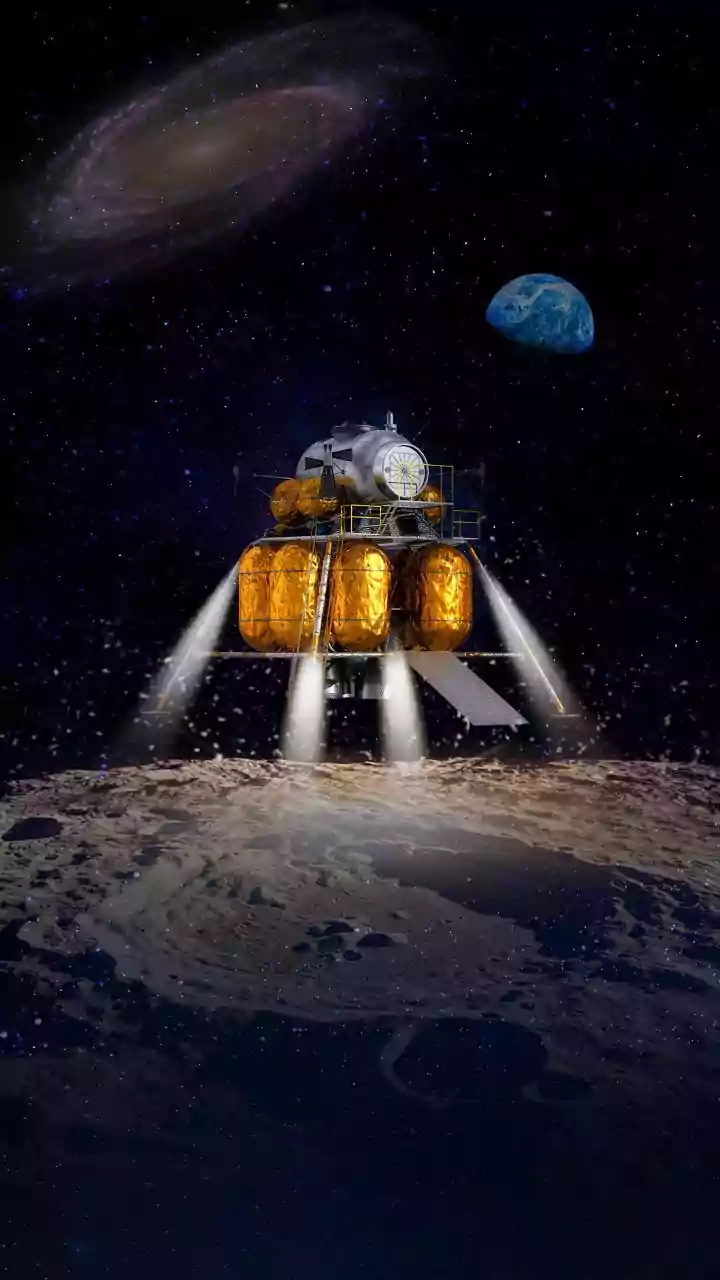

Humanity is going back to the Moon, and this time, we plan to stay. But building a permanent home on another world is no easy task. That's why NASA is inviting the next generation of innovators to help design our lunar future.
A New Challenge for a Lunar Outpost
NASA has officially launched
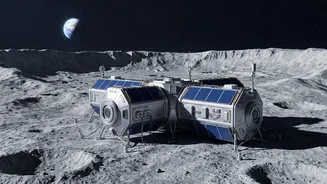
the 'Moon Base Challenge', a competition that invites students in the United States to help tackle some of the biggest hurdles to establishing a permanent human presence on the Moon. With a prize pool of up to $1 million, the agency is turning to high school and post-secondary students for fresh perspectives on the complex problems of long-term lunar habitation. The competition isn't just about winning money; it's about contributing to the Artemis program, NASA's ambitious plan to establish a sustainable base camp at the Moon's South Pole. This outpost will serve as a hub for science and exploration, and a crucial stepping stone for eventual human missions to Mars. By crowdsourcing ideas, NASA hopes to accelerate innovation and engage the very generation that may one day live and work on the Moon.
Powering Through the Long Lunar Night
One of the most critical challenges is power. The lunar night lasts for about 14 Earth days, plunging the surface into extreme cold and darkness, which makes solar power alone insufficient. Any permanent base will need a reliable and continuous energy source to keep life support systems running, equipment warm, and experiments online. The challenge asks participants to design innovative systems for power generation and storage that can withstand these harsh conditions. Solutions could range from advanced solar arrays and battery technology to small-scale fission systems, which NASA is already developing to provide consistent power regardless of sunlight.
Mobility: Beyond the Apollo Rover
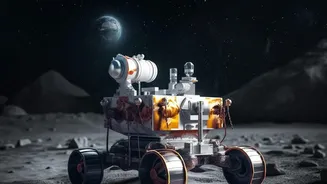
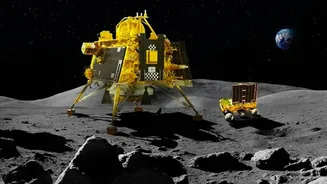
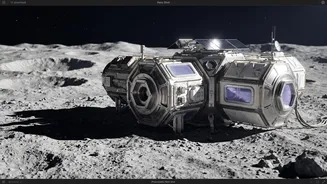
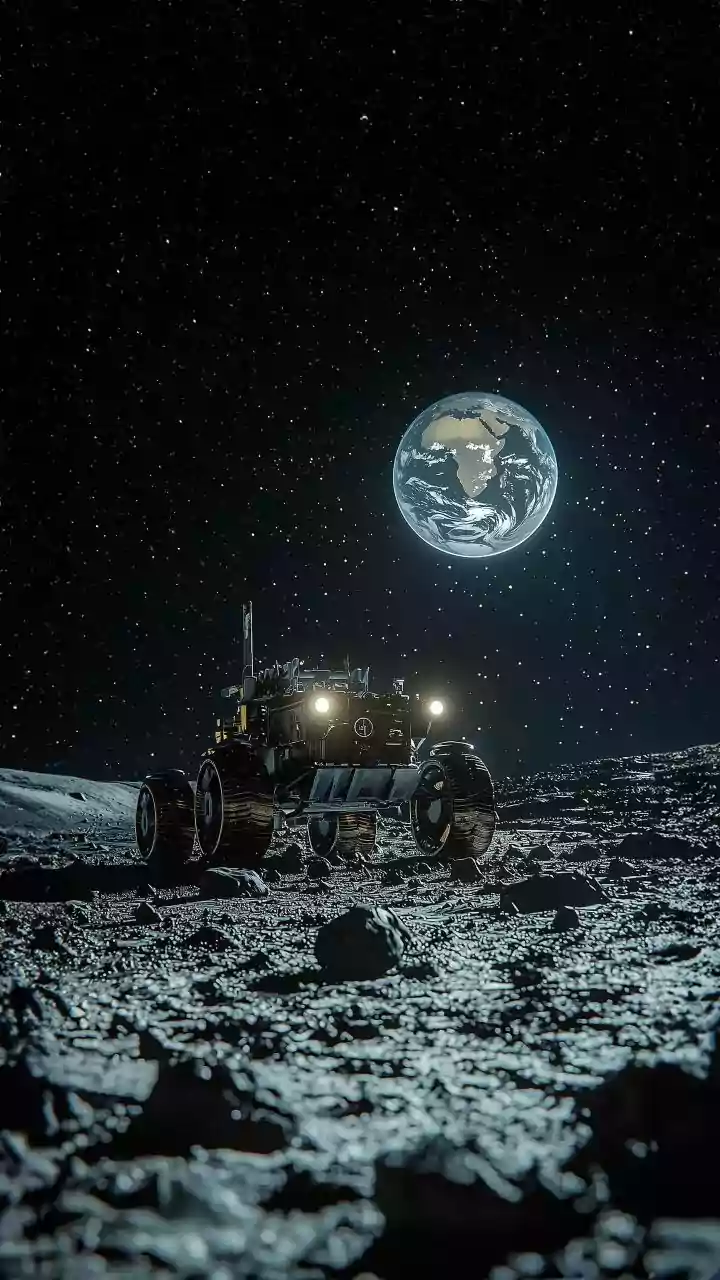
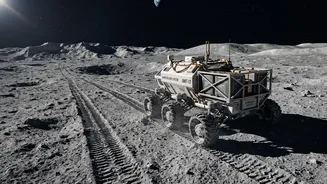
A lunar base will be more than just a single habitat; it will be a sprawling campus requiring reliable transportation. Astronauts and robotic systems will need to travel across vast, uneven terrain to deploy experiments, gather resources, and explore the landscape. The challenge seeks new ideas for surface mobility, pushing beyond the unpressurised rovers of the Apollo era. Future Lunar Terrain Vehicles (LTVs) will need to handle steep slopes, operate for extended periods in shadow, and potentially support autonomous operations when crew are not present. This could involve pressurised rovers that act as mobile labs for long-distance treks, or fleets of smaller, robotic vehicles for logistics and mapping.
The Essentials of Life Support
Keeping astronauts alive and healthy 384,000 kilometres from home is the ultimate challenge. Life support is about more than just a steady supply of oxygen; it involves creating a closed-loop ecosystem. The contest encourages students to develop systems for recycling air and water, managing waste, and potentially even growing food using on-site resources. NASA has achieved water recovery rates of over 98% on the International Space Station, but a lunar base will require even more robust and self-sufficient systems. This also includes protecting astronauts from the dangers of the lunar environment, such as intense radiation and abrasive, electrostatically charged dust that can damage equipment and pose health risks.
Who Can Build the Future?
The Moon Base Challenge is open to teams of two to five students from eligible U.S.-based high schools and post-secondary institutions, guided by an adult coach. Registration is open until January 25, 2027, with initial concept papers due the following month. Teams must choose one of six categories to focus on: power generation, habitat construction, life-support systems, surface mobility, communications, or astronaut safety. The competition is structured in phases, mimicking how projects are developed in the aerospace industry, starting with a concept paper and culminating in a more detailed proposal from finalists. It’s a unique chance for students to gain realworld experience and contribute directly to one of humanity's greatest adventures.