







The Rise of Agrivoltaics
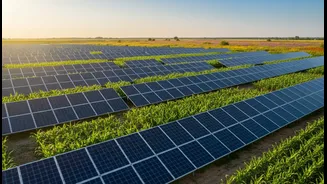
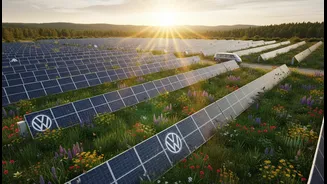
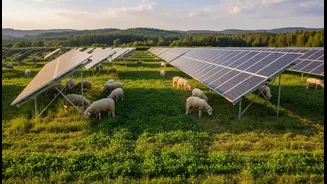
The concept is known as agrivoltaics, and it involves the co-location of agricultural activities with solar power generation. Specifically, using livestock like sheep to graze on the land beneath and around solar panels is proving to be a highly effective
model. This isn't just a theoretical idea; it's a practical system that turns a potential land-use conflict into a symbiotic partnership. Instead of viewing solar farms and agriculture as competitors for precious land, agrivoltaics sees them as partners in a more efficient and sustainable system. This dual-use approach allows for the production of both clean energy and agricultural products from a single piece of land.
Benefits for Solar Operators
For solar energy companies, the advantages are primarily operational and financial. Managing vegetation growth at large-scale solar sites is a significant expense. Allowing sheep to graze the land provides natural, cost-effective lawn mowing. This reduces or eliminates the need for mechanical mowers, which can be difficult to manoeuvre around panels and can sometimes cause damage. It also avoids the use of herbicides, making the entire operation more environmentally friendly. Furthermore, the presence of vegetation and the moisture it helps retain in the soil can create a cooler microclimate, which can slightly improve the efficiency of the solar panels themselves. Grazing also serves as an effective wildfire mitigation strategy by keeping flammable vegetation in check.
Happier, Healthier Livestock
The benefits for farmers and their livestock are just as compelling. The solar panels provide ample shade, which is a significant factor in animal welfare, especially in hot climates. Studies have shown that access to shade reduces heat stress in animals like cows and sheep. For instance, research on dairy cows demonstrated that those with access to shade had lower body temperatures and respiratory rates in the afternoon compared to those without. This increased comfort can lead to better health and productivity, including improved weight gain and milk production. The shade also helps protect the animals from harsh UV radiation.
A Major Opportunity for India
In India, where land is a finite resource and the pressure to expand both agriculture and renewable energy is immense, agrivoltaics presents a powerful opportunity. The country has ambitious goals to increase its renewable energy capacity, and initiatives like the National Solar Mission require vast tracts of land. Simultaneously, over half the population depends on agriculture for their livelihood. Agrivoltaics can help reconcile these competing demands by diversifying farmer income, improving climate resilience, and making land use more efficient. Recognizing this potential, pilot projects are being explored. In Ladakh's Changthang region, for example, the administration has announced a livestock-grazing-friendly solar pilot project to address the concerns of nomadic herders about losing traditional pastures to a massive new solar park. The project aims to adjust panel heights to allow animals to graze freely underneath.
Navigating the Challenges
Despite the clear benefits, widespread adoption faces hurdles. The upfront investment for agrivoltaic systems can be higher than for conventional solar farms, as the structures often need to be raised higher off the ground to accommodate animals or machinery. This can make the projects 20-30% more expensive to install. There are also contractual complexities to navigate, such as agreements on water use, fencing, and liability between solar developers and farmers. Furthermore, not all land is suitable, and there is a need for more research and technical assistance to help farmers and developers implement these systems effectively. In some regions, like Gujarat and Ladakh, large-scale solar projects have sparked opposition from local pastoral communities who fear the loss of their traditional grazing lands, highlighting the need for careful planning and community engagement.