




The Decades-Old War on Fat
Cast your mind back, and you'll remember the dogma that dominated nutrition for years: to protect your heart and waistline, you had to cut back on fat. This led to a boom in 'low-fat' and 'fat-free' products flooding supermarket shelves. Dairy, with its
natural fat content, was a primary target. Public health guidelines across the world encouraged us to choose skimmed milk and low-fat yoghurts. The underlying logic seemed simple enough — saturated fat was linked to higher cholesterol and an increased risk of cardiovascular disease. This advice became so ingrained that reaching for the full-fat option often came with a side of guilt. The food industry responded in kind, engineering fat out of products, but in doing so, they often engineered something else in.
A Surprising Turn: The Full-Fat Dairy Study
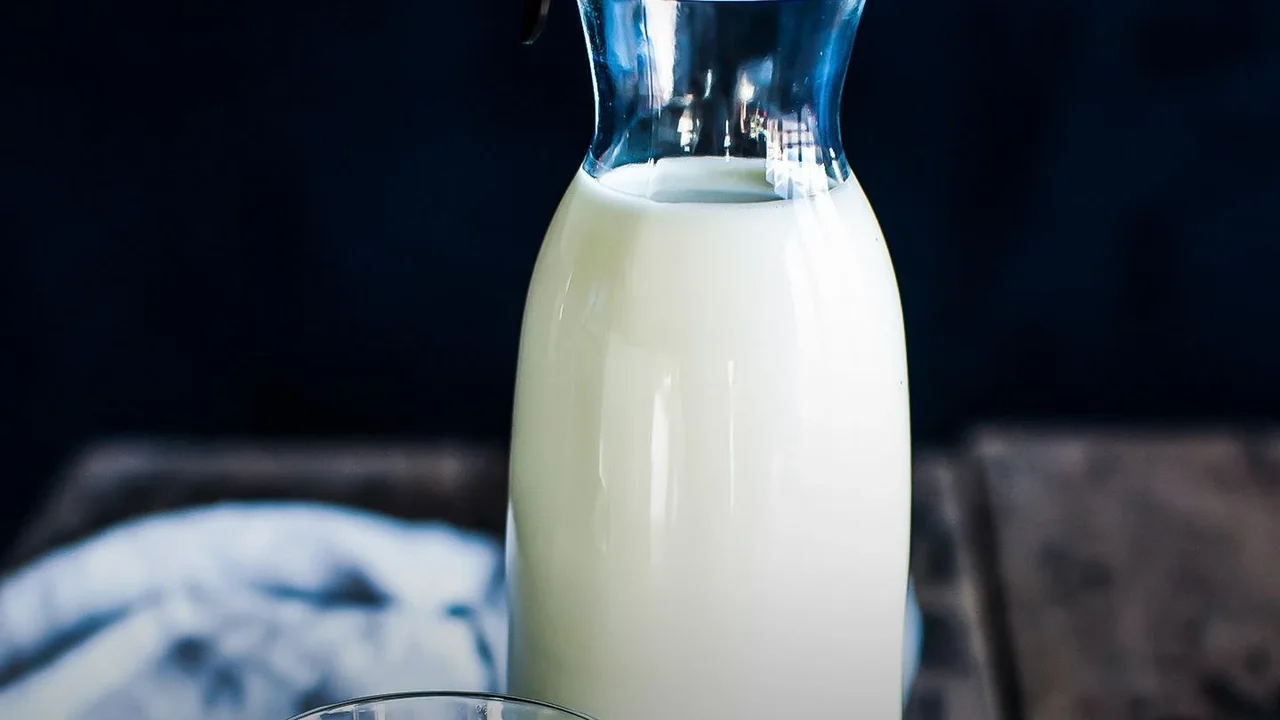
Now, a growing body of research is challenging this black-and-white view. A recent 12-week Canadian study involving adults with overweight or obesity has added a compelling new chapter. Participants who consumed three servings of full-fat dairy products each day showed no negative impacts on their body weight, body fat, or key cardiometabolic markers like cholesterol and insulin resistance. Even more surprisingly, the full-fat dairy group actually saw some benefits, including improvements in blood pressure and a higher intake of essential nutrients like protein, calcium, and vitamin D. This wasn't a one-off finding; it aligns with other large-scale observations suggesting that dairy fat might not be the villain it was made out to be.
The 'Dairy Matrix' and The Bigger Picture
So, how can full-fat foods not lead to the expected negative outcomes? The answer may lie in what scientists call the 'dairy matrix'. Food is more than just a collection of individual nutrients. Dairy products are complex structures where proteins, fats, vitamins, and minerals interact with each other. This matrix affects how our bodies digest and absorb the nutrients. The saturated fat in a piece of cheese or a bowl of yoghurt behaves differently in the body than a lump of isolated saturated fat. This study supports the idea that we should evaluate food as a whole, not just obsess over a single component on the nutrition label. It suggests the overall nutritional package of dairy buffers any potential downsides of its fat content.
The Hidden Problem With 'Low-Fat' Labels
This brings us to the promise and peril of food labels. When manufacturers remove fat from a product, they often strip out flavour and texture. To make these 'low-fat' items palatable again, they frequently add sugar, sodium, or refined carbohydrates. As a result, a low-fat fruit yoghurt might have less fat than its full-fat counterpart, but contain significantly more sugar. Many consumers mistakenly believe that 'low-fat' is a synonym for 'healthy' or 'low-calorie', a misconception that can lead to higher sugar consumption and undermine health goals. The focus on a single nutrient has distracted us from a more significant issue: the rise of added sugars in our diet, which are strongly linked to obesity and chronic disease.
Making Smarter Choices in the Dairy Aisle
For the Indian consumer, this new perspective is liberating. It means you don't necessarily have to fear the natural fat in traditional foods. A bowl of homemade dahi, a slice of paneer, or even a moderate amount of ghee can absolutely be part of a healthy, balanced diet. The key is to prioritise whole, unprocessed foods over highly processed 'diet' products. Instead of reaching for a sugary, low-fat flavoured yoghurt, consider plain, full-fat dahi and add your own fresh fruit. The goal isn't to start consuming full-fat dairy with abandon, but to shift the focus from 'fat vs. no fat' to 'whole food vs. processed food'. The quality of the food matters far more than a single number on a label.