
The Golden Rules of Storage
When you bring root vegetables home, your first instinct might be to give them a good scrub. But for long-term storage, it's best to resist that urge. The three pillars of preserving your harvest are keeping them cool, dry, and unwashed. Storing them with
the soil on helps protect their skin and signals the vegetable to stay dormant. Moisture is the enemy of longevity, as it creates an ideal environment for mold and bacteria to grow, leading to rot. Only wash them right before you're ready to peel, chop, and cook.
Why This Method Works
Root vegetables are living organisms. Even after being harvested, they continue to respire, a process that uses stored energy and eventually leads to spoilage. Cooler temperatures, ideally between 0 and 10 degrees Celsius, significantly slow this process down. Darkness is equally important, especially for potatoes, as light encourages them to sprout and produce solanine, a bitter compound that can be harmful in large quantities. Keeping them unwashed and dry prevents the growth of microbes that accelerate decay. Essentially, you are creating a mini-hibernation environment, allowing the vegetables to remain fresh and nutrient-rich for much longer.
A Guide to Specific Vegetables
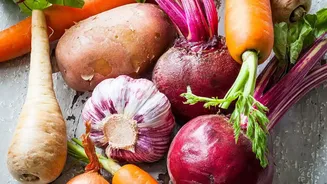
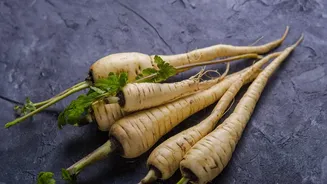
While the 'cool, dark, dry' mantra is a great starting point, different roots have slightly different needs. Potatoes, for example, thrive in a dark, well-ventilated space like a pantry or a paper bag, but not the refrigerator, which can turn their starches to sugar and affect taste and texture. Onions and garlic also prefer a dry, dark spot with good air circulation, which is why you often see them sold in mesh bags. Carrots, beets, and parsnips, on the other hand, benefit from high humidity to prevent them from drying out and going limp. A perforated plastic bag in the crisper drawer of your fridge often works well for these.
What About the Leafy Greens?
If you buy carrots or beets with their leafy green tops still attached, it’s crucial to separate them before storage. The greens will continue to pull moisture and nutrients from the root in an effort to stay alive. This is what causes the root part to shrivel and lose its crispness prematurely. Trim the greens, leaving about an inch of the stem attached to the root. Don't throw them away, though! Beet greens can be sautéed like spinach, and carrot tops can be blitzed into a unique pesto.
Know Your Storage Exceptions
Not all roots are the same. Onions and potatoes are poor storage partners. Onions release ethylene gas that can cause potatoes to sprout prematurely, so it's best to store them separately. Sweet potatoes are another exception; they dislike the cold and should be kept at a slightly warmer room temperature in a well-ventilated spot. They also benefit from a 'curing' process in a warm, humid place for a week or so before being moved to their long-term storage spot, which helps them last longer. Winter squash also prefers a cool, dry place but not as cold as a refrigerator.
Signs of Spoilage
Even with perfect storage, it's wise to check on your vegetables periodically. Look for any signs of spoilage, such as soft spots, mold, or a rotting smell, and remove the affected vegetable immediately to prevent it from spreading to others. If potatoes have small sprouts, they are generally still safe to eat once you remove the sprouts and any green-tinged skin. However, if they are extensively sprouted, shriveled, or soft, it's best to discard them. A little vigilance ensures your stored supply remains healthy and ready to use.